
Reviewed · BERLIN THIRD REICH TOURS
Nazi Berlin and the Jewish Community Tour
Berlin’s Nazi past becomes easier to grasp when you connect the places where decisions were made with the streets and institutions that bore their consequences. This three-hour walk and public-transport tour links the former centers of Nazi power to the old Jewish district, ending with the story of Otto Weidt, who tried to protect Jewish workers from persecution.
I like two things in particular: the route puts German resistance alongside the history of persecution, rather than treating Berliners as one undifferentiated group; and it ends at a small museum devoted to a man who used his workplace to shelter people. Italian guide Lorenzo is praised for being prepared and engaging, a valuable quality on a serious, detail-heavy tour.
The main consideration is language: live guiding is offered in French or Italian, not English. You’ll also need to pay separately for an AB public-transport ticket, and the three-hour route covers several locations, so comfortable shoes matter.
Key points to know before you go
- Operation T4 connects Nazi policy to a specific Berlin site: The tour visits the command center where the SS planned the killing and forced sterilization of tens of thousands of disabled people.
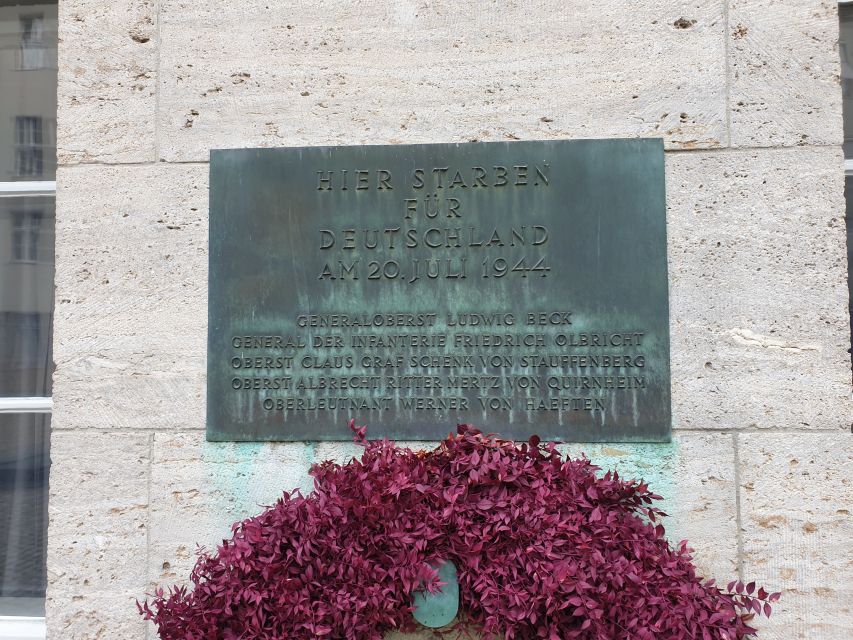
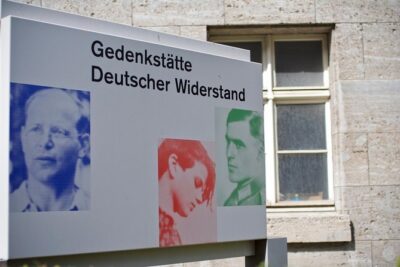
- The resistance story has a real address: At the German Resistance Memorial, you learn about Operation Valkyrie and Germans who opposed Nazism.
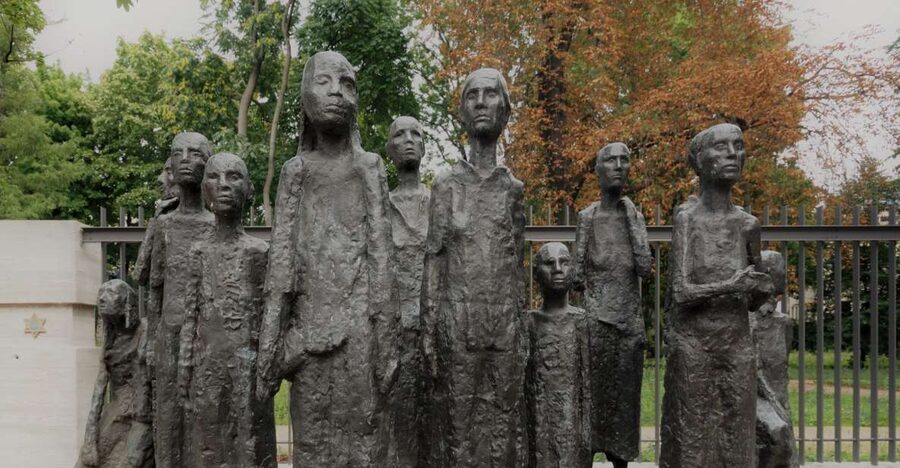
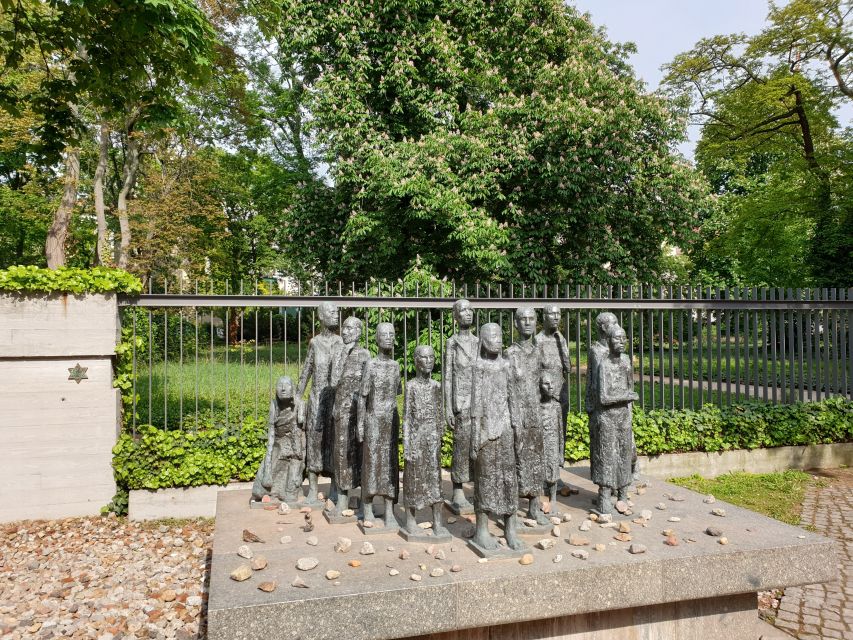
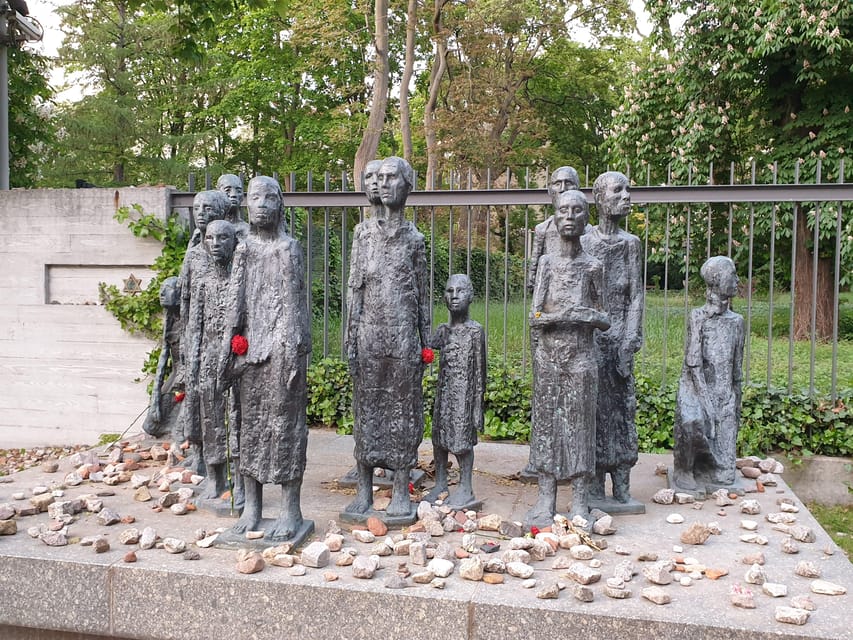
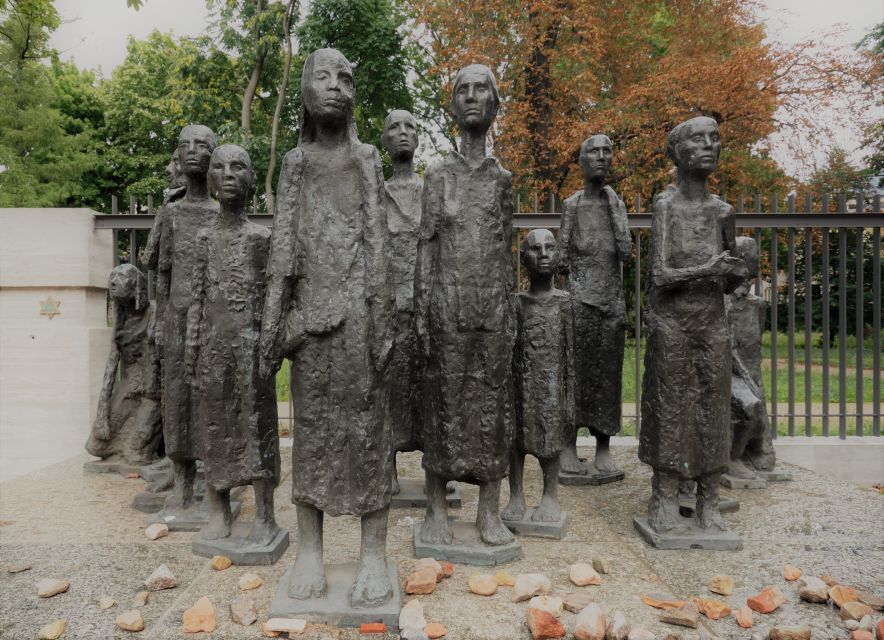
- Jewish Berlin is more than a wartime story: The route includes the oldest Jewish cemetery and the 19th-century New Synagogue, set within the former Jewish district.
- Varian Fry’s work adds an international dimension: A memorial recalls the American journalist who helped more than 3,000 persecuted people escape Nazi-occupied Europe.
- Otto Weidt’s workshop gives the tour an intimate ending: The museum tells how he protected Jewish employees and arranged hiding places for some of them.
- Budget for local transit: The $27 tour price does not include the required AB public-transport ticket.
From Nazi headquarters to the people caught in the machinery
This is a history tour built around connections. You move from places associated with Nazi power and planning to sites that make the human cost, Jewish life, and acts of resistance more tangible. The route also asks a difficult question: how could Hitler’s rise to power in 1933 happen, and what did Berliners do as the dictatorship tightened its grip?
The guide is central to making those links. The subject is dense, and locations can mean little without context. The Italian-speaking guide Lorenzo is praised for combining serious preparation with an engaging manner. That balance is especially useful here: the tour deals with dictatorship, deportation, forced labor, and mass murder, but it also makes room for people who resisted or tried to help.
Expect a guided route, not a museum visit at every stop. Some sites are memorials or historic locations where the guide supplies the story; the Otto Weidt Workshop for the Blind is the museum visit at the end. The experience is therefore best for you if you want a connected introduction to the subject, rather than hours spent examining exhibits at a single institution.
More Third Reich tours in Berlin:
- Berlin: Third Reich and Cold War 2 Hour Walking Tour
★ 4.9 · 6,830 reviews - Berlin: Berlin Story Bunker Entry Ticket
★ 4.6 · 6,759 reviews - Berlin’s Best: 2 Hour Walking Tour Third Reich and the Cold War
★ 5.0 · 5,486 reviews
German resistance and the Operation Valkyrie site
One of the tour’s strongest contrasts comes at the German Resistance Memorial. This is where Operation Valkyrie was directed, the failed effort to overthrow Hitler, and the site now honors Germans who opposed and fought against Nazism. A 20-minute guided stop gives you a chance to consider resistance as a real, organized effort, not simply a handful of famous names.
That focus matters because the story of Nazi Germany can be told too neatly as a contest between the regime and its victims. The memorial brings in people who resisted from within German society, while leaving room to understand that opposition carried danger and was far from universal. Your guide can give the site its political context and help distinguish the different strands of resistance.
The schedule allows about 20 minutes here. That is enough for a focused explanation, but not a long independent visit. If the subject particularly interests you, note the memorial’s name and consider returning separately for more time.
Operation T4 and the physical scars of war
The tour also visits the former command center for Operation T4, where the SS planned the extermination and forced sterilization of tens of thousands of disabled people. This stop broadens the picture of Nazi violence beyond the persecution of Jews, showing how the regime targeted other groups and made mass killing part of state policy.
It is a sobering part of the route, and the short format means the guide has to choose what to emphasize. The value lies in connecting the site to the system behind it: policies were planned, organized, and carried out by people and institutions. You are not simply hearing a list of crimes detached from the city.
At Anhalter Bahnhof, the tour turns to the closing days of the war. You pass the ruins of historic buildings that still bear marks from combat and revisit the events leading to Germany’s surrender in May 1945. The stop is scheduled for around 10 minutes, so think of it as a concise piece of the larger story rather than a detailed exploration of the station and its surroundings.
Varian Fry and the lives carried out of Europe
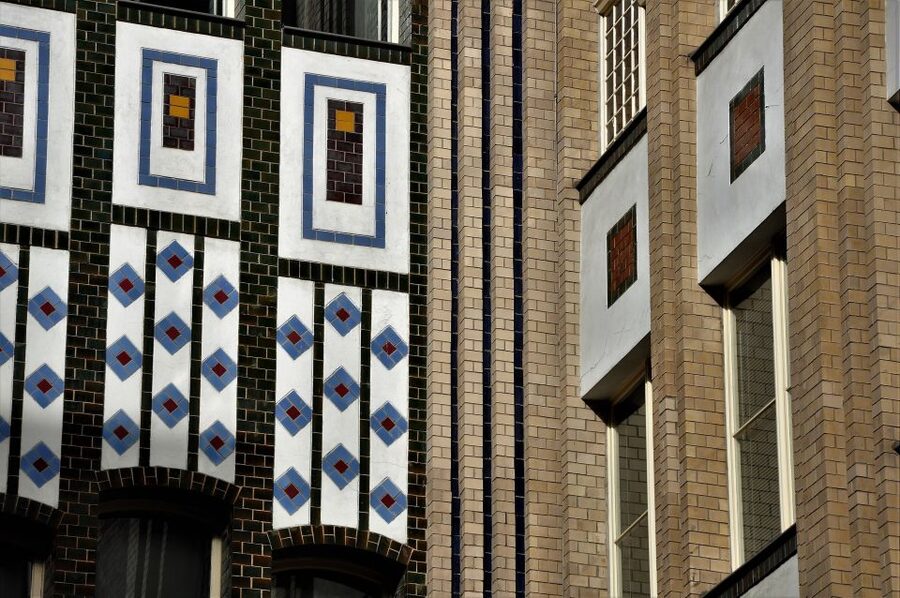
A memorial to American journalist Varian Fry adds a less familiar but important chapter. Fry helped more than 3,000 people escape Nazi-occupied Europe, among them painter Marc Chagall, philosopher Hannah Arendt, and writer Heinrich Mann. The names make the scale of his work easier to picture, but the larger point is that escape depended on people willing to organize help under dangerous conditions.
This stop gives the tour an outward-looking view of Berlin’s wartime history. The story is not only about what happened within the city; it also touches the wider network of persecution and flight across Europe. You get a reminder that some people found routes to safety, while many others were trapped by borders, bureaucracy, and the regime’s reach.
The tour describes this as a lesser-known memorial, so it may be one of the stops you would otherwise miss. Its brief place in the schedule makes a guide’s explanation especially useful.
More Jewish history tours in Berlin:
- Berlin: Jewish Museum Berlin Entrance Ticket
★ 4.5 · 8,393 reviews - Path of Resistance: Berlin’s Hidden Holocaust Stories
★ 5.0 · 33 reviews - Private Tour: Jewish Heritage Walking Tour of Berlin
★ 5.0 · 29 reviews - Jewish Berlin: Walking tour The Old Jewish Quarter (private 3 Hours tour)
★ 5.0 · 27 reviews
The old Jewish district, cemetery, and New Synagogue
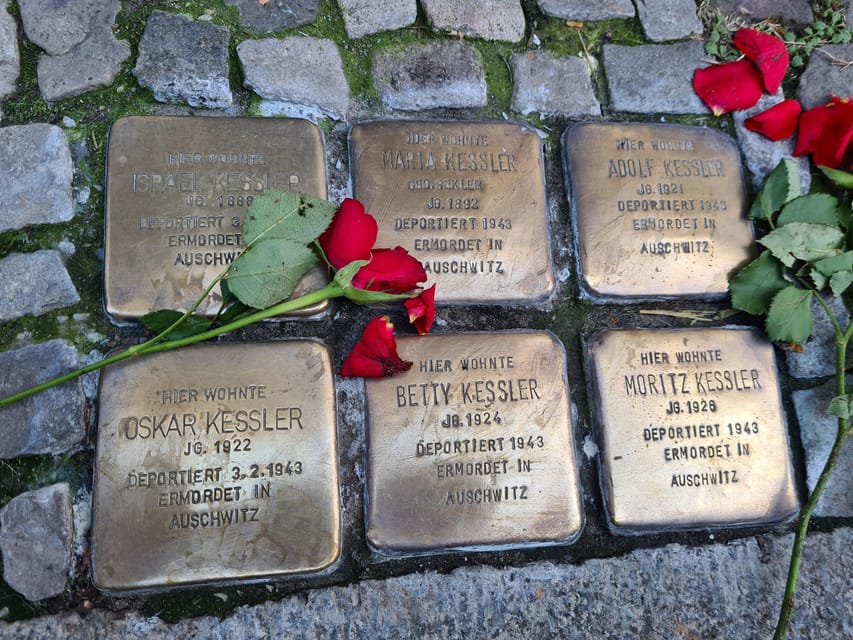
For the Jewish community portion, the guide takes you by public transport to Berlin’s historic Jewish district. You’ll see the oldest Jewish cemetery and the New Synagogue, a 19th-century building with a striking golden dome. The synagogue is a major visual landmark, but the deeper purpose of this section is to understand the long presence of Jewish life in Berlin before the Nazis came to power.
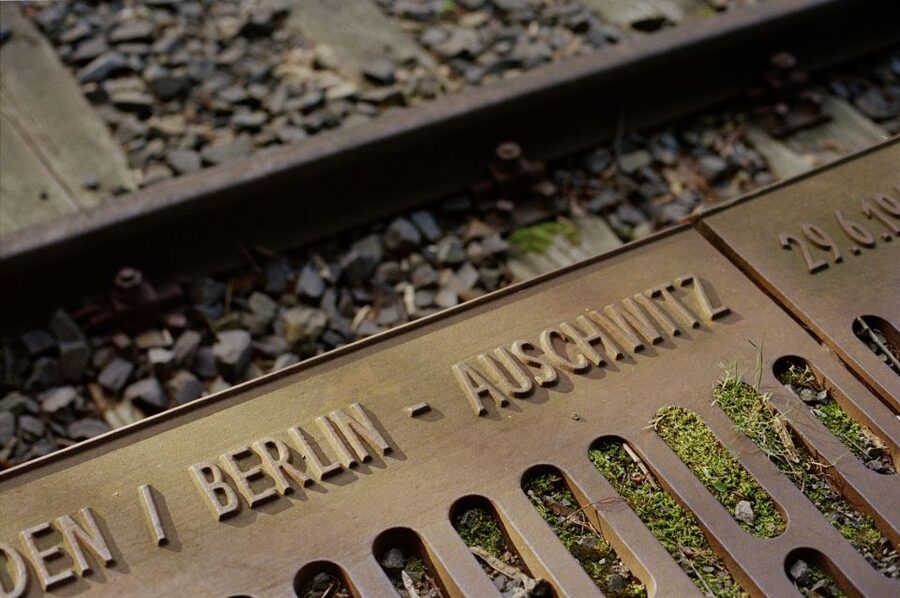
That shift in perspective is important. Jewish Berlin was not created by the Nazi era, and the community’s story cannot be reduced to persecution alone. The route gives you a chance to consider the community’s place in the city before the tour turns to the machinery of forced labor and deportation during World War II.
The itinerary allows about 15 minutes at the New Synagogue, plus another guided stop of around 20 minutes in the district. Those are short visits, not a full tour of the synagogue or a long look at every nearby site. The guide’s narrative helps knit the landmarks together, while the use of public transport lets you cover more ground than a walking-only route could manage in three hours.
You’ll need an AB public-transport ticket for the journey. It is not included in the tour price, so factor that extra cost into your plans before booking. The route’s transport connections are practical, but they also mean the experience involves boarding a bus or train rather than staying on foot throughout.
Otto Weidt’s workshop and a personal act of protection
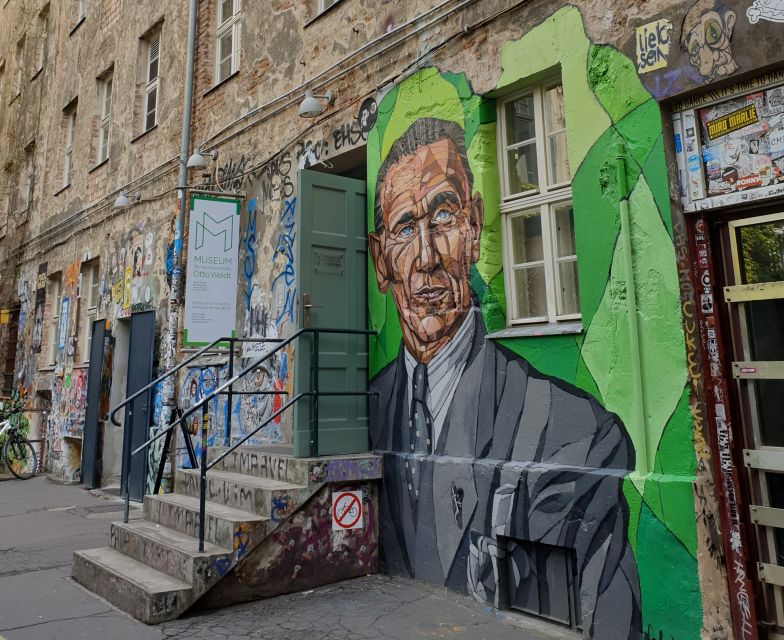
The final museum visit is the Otto Weidt Workshop for the Blind. Weidt employed Jewish workers and tried to shield them from persecution and deportation. As the danger increased, he found hiding places for some of them, including one on the premises that now houses the museum.
I like this ending because it brings the tour from state policy down to a workplace and the choices made by one person. The story does not erase the scale of the crimes or suggest that one act of courage could undo them. Instead, it shows how protection could take practical forms: keeping people employed, resisting pressure, and finding somewhere to hide.
The museum visit is scheduled for about 15 minutes, so it is a compact introduction rather than an extended museum session. If you want more time with the material, you may want to return independently, but the stop gives the tour a human-scale conclusion after several sites connected to institutions and military events.
What $27 buys, and what you should budget for
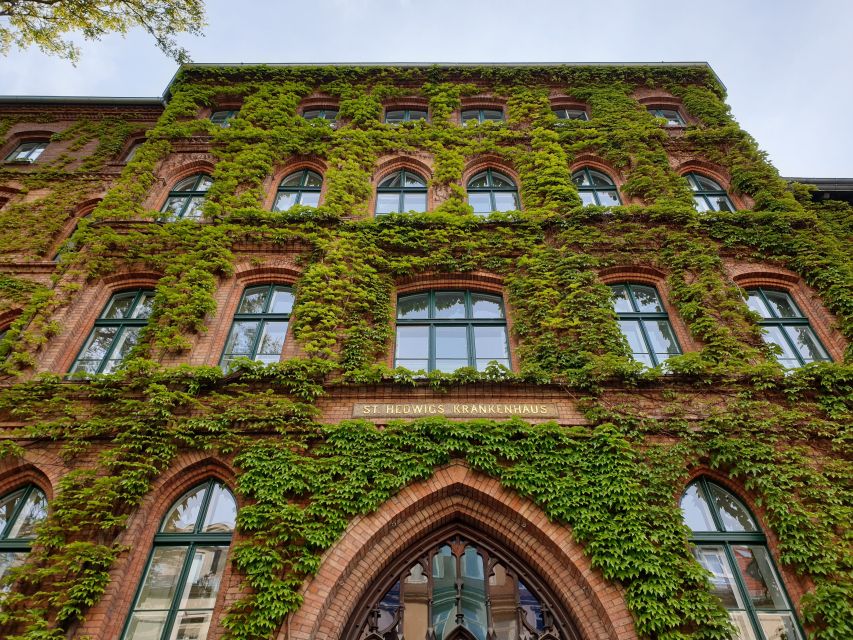
At $27 per person, this is a good-value way to connect several significant locations in one guided outing. The price covers the guide and a three-hour program that includes the resistance memorial, Anhalter Bahnhof, the New Synagogue area, and the Otto Weidt museum. You are paying for the historical links and the guide’s interpretation as much as for access to specific places.
The transit ticket is an extra expense. Since the guide uses public transport to reach the Jewish district, you need an AB ticket, and it is not part of the stated price. Check your overall transport plans before you go so you do not count the tour as covering local travel.
The tour offers free cancellation up to 24 hours in advance, and a reserve-now, pay-later option is available. It is listed as wheelchair accessible, though the route includes public transport and several stops; if you have particular access needs, confirm that the arrangement works for you before booking.
Who will get the most from this route
Book this tour if you want a compact, guided overview of Nazi Berlin that includes Jewish history, resistance, and individual acts of help. It suits you especially well if French or Italian is a comfortable language for discussing complex subjects, and if you would rather have a guide connect multiple sites than navigate the history alone.
It may be less suitable if you need English-language guiding, want long visits at each location, or prefer a tour that stays entirely on foot. Three hours is enough to establish a strong framework, but not to examine every site in depth. The route’s pace is part of its value: it gives you a map of the history and several places to revisit later.
FAQ
How long is the tour?
The tour lasts three hours. Starting times depend on availability.
What languages are available?
Live guiding is offered in French or Italian.
Is public transport included in the price?
No. You need an AB public-transport ticket, which is not included.
Where does the tour end?
The activity ends back at the meeting point. The starting meeting point may vary depending on the option booked.
Is the tour wheelchair accessible?
Yes, the activity is listed as wheelchair accessible.
What should I bring?
Bring comfortable shoes. You also need an AB public-transport ticket for the tour.
Newest tours in Berlin
- Berlin: guided canoe | kayaktour★ 4.1 · 7 reviews
- Understanding Kreuzberg: The roots of local (sub)culture★ 4.9 · 11 reviews
- Where It All Began: Berlin’s Queer & Trans History Tour★ 4.9 · 6 reviews
- Warnemünde Shore Excursion: Private Sachsenhausen and Berlin Tour★ 5.0 · 12 reviews
- Ultimate E-Bike Tour of Berlin with Beer Garden Stop★ 5.0 · 4 reviews
- Potsdam Highlights – Private sightseeing tour by minibus★ 5.0 · 3 reviews
- Private Potsdam City Tour in an authentic vintage van★ 5.0 · 14 reviews
- Transfer from Berlin Schönefeld Airport (SXF) to Berlin city Hotels – ROUND TRIP★ 4.0 · 3 reviews
Berlin Third Reich Tours, compared.

Third Reich Berlin: Hitler and WWII Walking Tour
Read our review →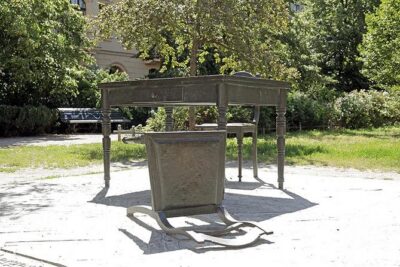
Berlin Third Reich Sites: Half-Day Walking Tour
Read our review →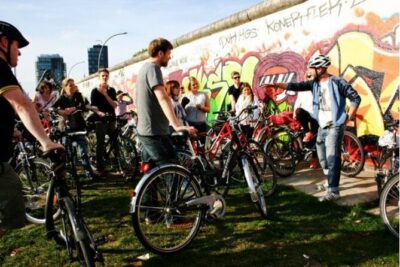
Guided Bike Tour of the Berlin Wall and Third Reich
Read our review →
Hitler’s Germany: Berlin During the Third Reich & WWII
Read our review →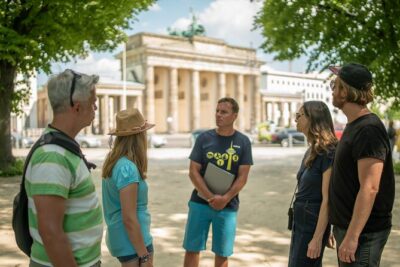
Private Walking Tour Berlin Third Reich Hitler and World War II
Read our review →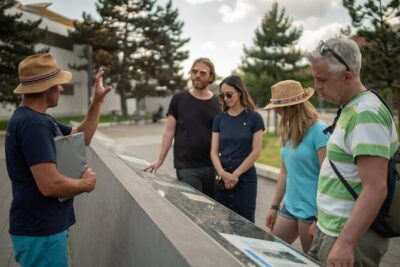
Private Walking Tour: World War 2 and Cold War Sites in Berlin
Read our review →Browse the lists this tour appears in