
Reviewed · BERLIN JEWISH HISTORY TOURS
Berlin: Jewish Museum Berlin Entrance Ticket
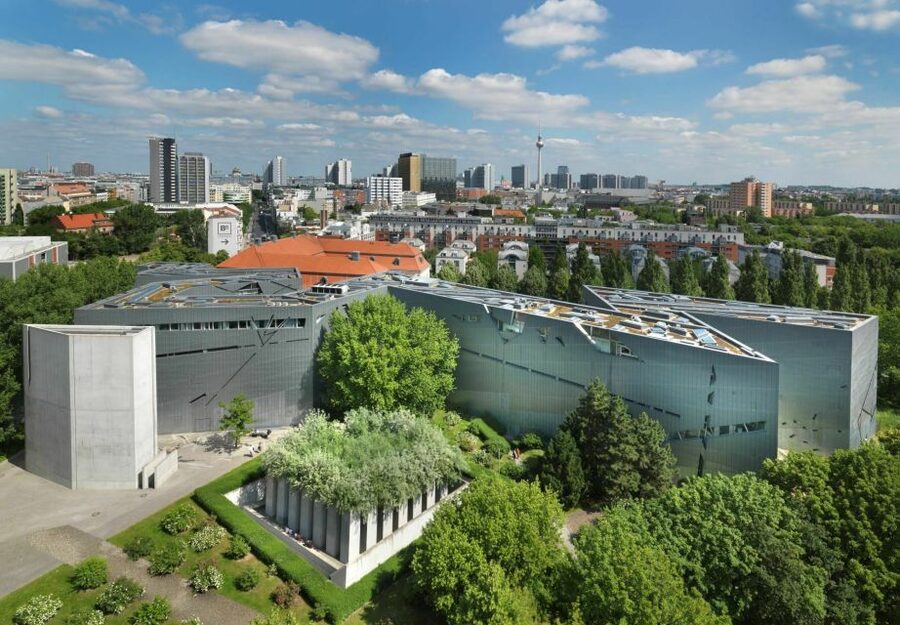
The Jewish Museum Berlin tells a story that reaches far beyond the Holocaust. Inside Daniel Libeskind’s sharp-angled building, you encounter Jewish life in Germany across the centuries, from religious practice and family customs to persecution, survival and contemporary culture. The architecture is not just a striking shell for the exhibits. Its slanting walls, stark voids and unusual spaces shape how you move through the history.
I especially like two things here: the museum gives Jewish culture room beyond the story of Nazi Germany, and the building itself makes you pause and think. The collections mix art, daily objects, photographs, films and interactive stations, so the history feels human rather than distant.
One consideration: two hours is a good starting point, not a guarantee that you will see everything. The galleries can feel emotionally heavy, the route may be hard to follow, and audio interpretation is not included with the ticket. Bring headphones if you want to use the free app.
What to Know Before You Go

- Libeskind’s zigzag building is part of the visit: Angled walls, sloping spaces and open voids give the museum a distinct, sometimes disorienting feel.
- The story extends beyond the Holocaust: Exhibitions explore Jewish history in Germany from the Middle Ages to the present, including faith, customs and everyday life.
- Plan on at least two hours: The museum closes at 6pm, and a quick visit may leave you choosing which galleries to skip.
- Bring your own headphones: The free museum app can support your visit, but guided and audio tours are not included with the ticket.
- The museum is in Kreuzberg: It is within walking distance of Checkpoint Charlie and about five minutes on foot from the Berlinische Galerie.
- Admission is listed at $0 per person: The ticket includes entrance, while food, transport and parking are not included.
A Building That Shapes the Story
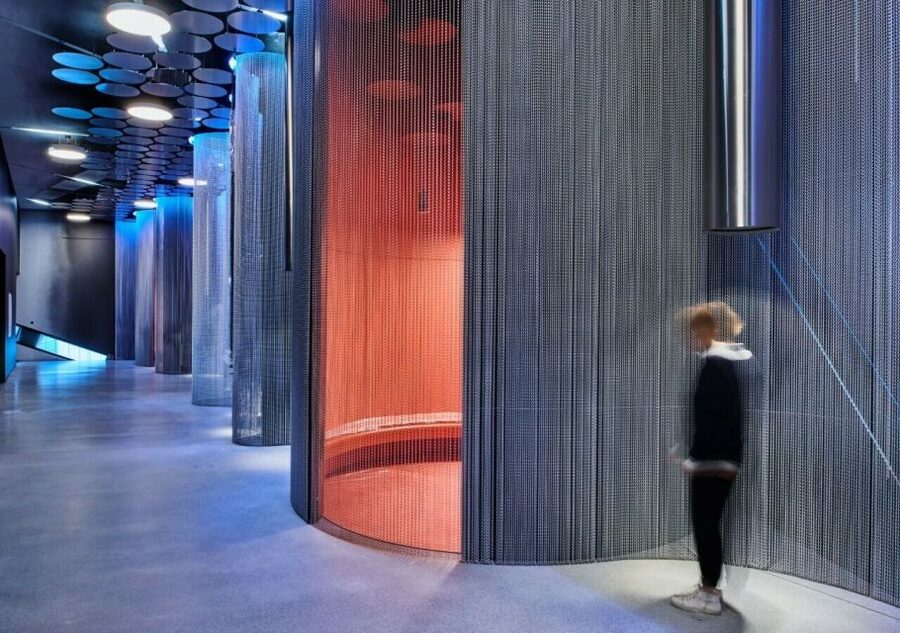
The visit begins with architecture that refuses to be neutral. Libeskind’s design is a zigzag, with slanting walls, sharp corners and voids that interrupt the building. These features create a sense of unease and disorientation, but they also ask you to notice how architecture can express absence, rupture and memory.
That effect is especially clear in the building’s empty spaces. A void is not simply an unused room. It makes absence visible, a powerful idea in a museum dealing with a community whose life in Germany was violently disrupted. The building does not explain history by itself, but it gives you a physical frame for approaching it.
Allow a little time to get your bearings. The museum’s layout can be confusing, and the striking design sometimes takes attention away from the signs. If you want to follow the full exhibition route, check the floor plan early and use the app rather than assuming the next gallery will be obvious.
More Jewish history tours in Berlin:
- Nazi Berlin and the Jewish Community Tour
★ 4.8 · 55 reviews - Path of Resistance: Berlin’s Hidden Holocaust Stories
★ 5.0 · 33 reviews - Private Tour: Jewish Heritage Walking Tour of Berlin
★ 5.0 · 29 reviews
From Medieval Communities to Jewish Life Today
The museum’s central strength is its long historical span. Its exhibitions explore Jewish history in Germany from the Middle Ages to the present, rather than treating Jewish identity as a subject that begins and ends with the Nazi era. That broader view matters: it gives you a sense of communities, beliefs and cultural contributions that existed across many centuries.
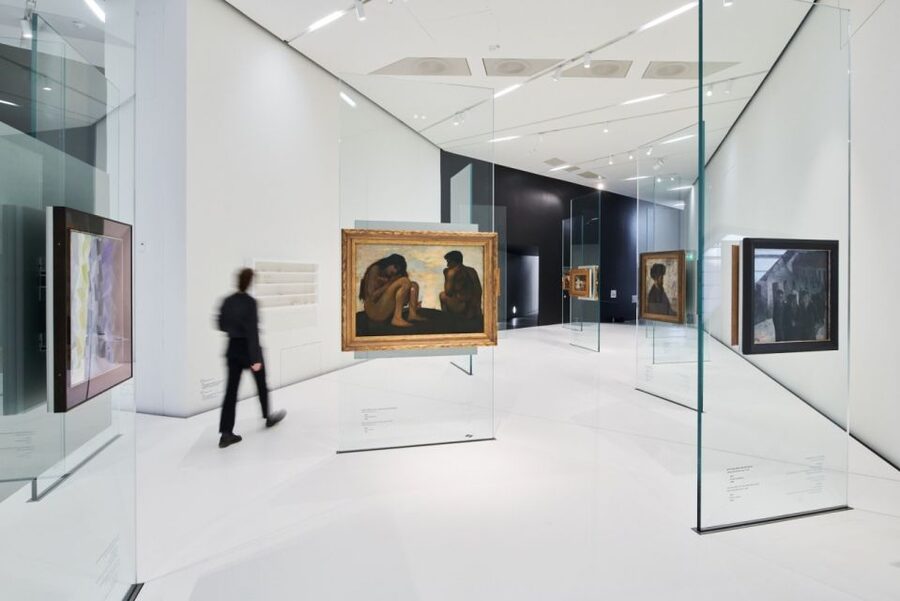
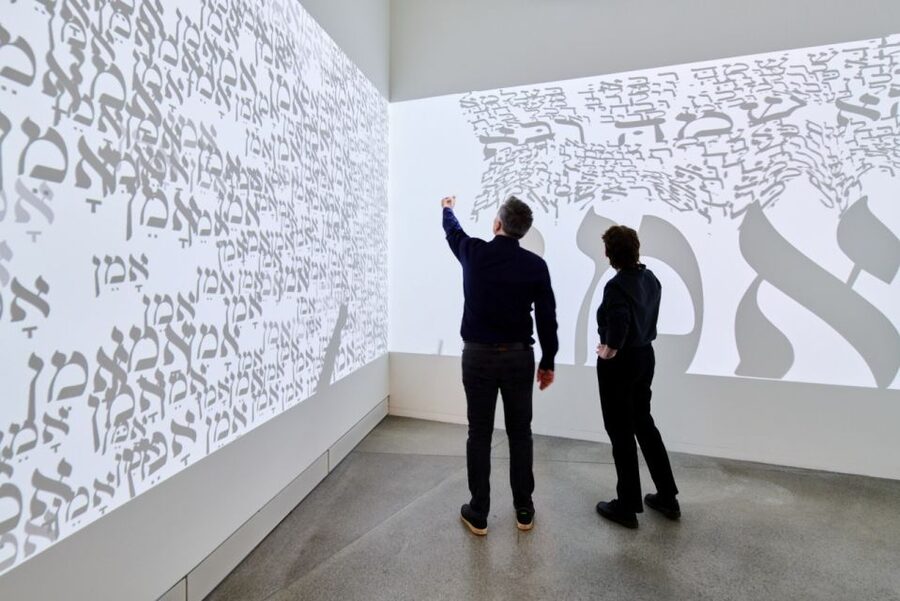
As you move through the displays, expect a mix of everyday objects and art, along with photographs, video and audio installations. Interactive stations add another way to engage with the material. The variety helps keep a large museum from feeling like one long sequence of text panels, though you will still need to choose what deserves your close attention.
The exhibits also introduce aspects of Jewish life that can be unfamiliar if you have not studied the subject. You can learn about dietary laws, Shabbat and Jewish holidays, as well as the customs and values that shape daily practice. These details are useful because they move the focus from abstract history to the rhythms of ordinary life.
I recommend taking time with the personal stories and memoirs. They are among the most moving parts of the experience, and they can make a two-hour visit feel emotionally full. The museum is thoughtful in its approach, but the subject matter is difficult. Give yourself space to pause rather than trying to cover every label at speed.
Seeing More Than the Holocaust
The Holocaust is an essential part of the museum’s account, but it is not the whole account. That distinction is important. The museum presents Jewish culture, religion and history beyond the period of Nazi persecution, while also showing the destruction of communities and lives under the regime.
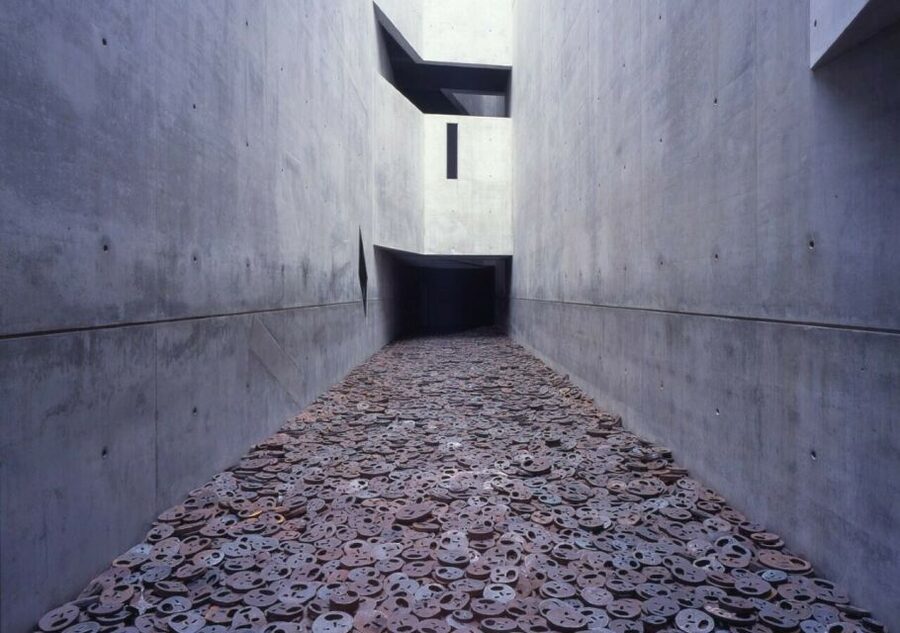
Some spaces make that history feel especially close. The Holocaust Tower is a stark, affecting room, while the Memory Void contains Shalekhet, an installation of metal faces associated with the idea of fallen leaves. These are not displays to rush through. Their force comes partly from the space around them and the quiet they demand.
The material can be sobering, and you may find parts of the visit emotionally draining. That is not a reason to avoid the museum. It is a reason to plan the rest of your day with some care. Pairing this visit with another demanding history museum may be worthwhile for a focused day, but it can also be a lot to take in without a break.
Faith, Food and the Details of Daily Practice
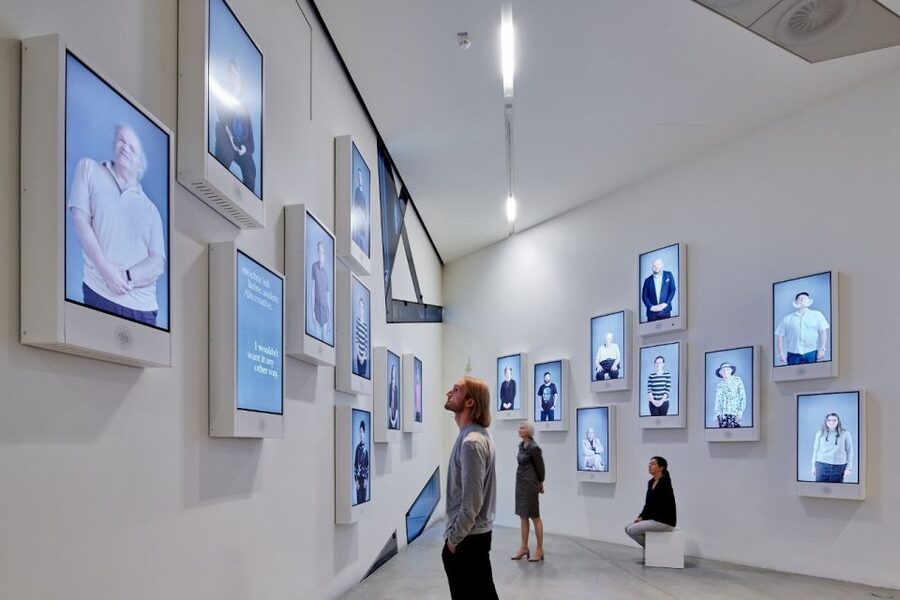
The museum’s attention to religious life gives useful context to the historical galleries. Information about kosher dietary laws, Shabbat and holidays helps explain how tradition is practiced, not just what it means in theory. If you are new to Jewish customs, these sections offer a clear entry point.
Look for the connections between beliefs and objects. A museum collection can make daily life tangible: items used in the home or for religious observance show how customs are carried from one generation to another. The displays also help you see Jewish culture as varied, with different experiences and expressions rather than a single uniform story.
Special exhibitions add another layer, and their subjects change over time. The museum has presented work on Jewish women designers in the modern era, bringing together design and craft in fields such as textiles, ceramics, fashion and graphics. That kind of show helps recover the work and biographies of artists who were pushed out of public life or left out of later accounts of German art and culture.
Check the current exhibition program before your visit. Temporary shows change, and a particular exhibition may not be on view when you arrive. Some exhibits use audio and video, so headphones are a practical addition even if you do not plan to use every feature of the app.
More museum visits in Berlin:
- Berlin: DDR Museum Tickets
★ 4.3 · 3,443 reviews - Berlin: Natural History Museum Entrance Ticket
★ 4.6 · 3,382 reviews - Berlin: Neues Museum Entry Ticket
★ 4.6 · 3,261 reviews - Skip-the-Line: Berlin Wall Museum at Checkpoint Charlie
★ 4.1 · 2,041 reviews
How to Use the App and Make Two Hours Count
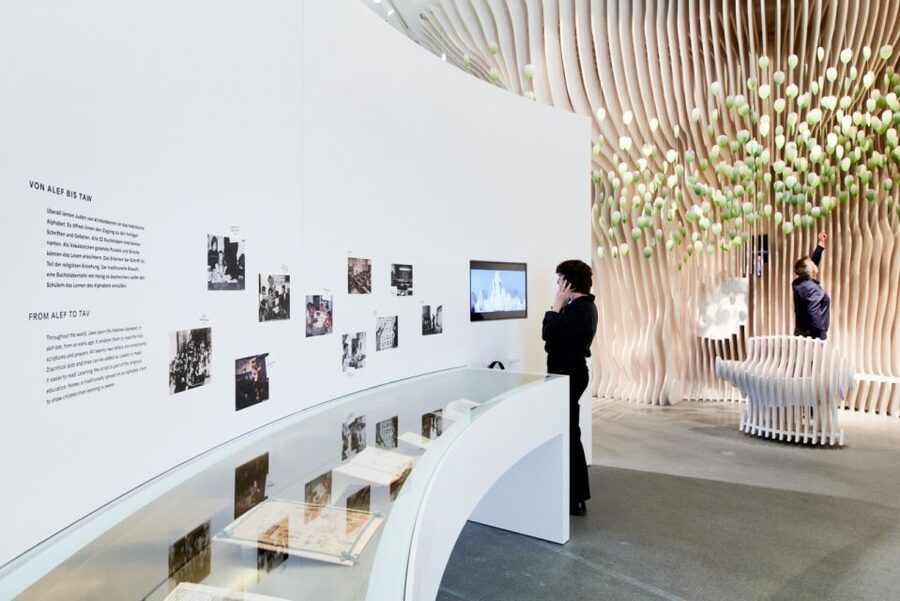
The free museum app is included as a download, but the ticket does not include a guided tour or audio tour. Bring your own headphones if you want to listen to audio on your phone. The app can help you follow a proposed route or choose details that interest you, which is useful in a museum with a lot to see.
Two hours is the stated average visit, and it is a sensible minimum if you want to see the main displays without rushing. If you read many labels, watch films or spend time with the interactive stations, you may need longer. Some people find they can spend several hours here, so avoid booking a tight follow-up plan.
A practical approach is to decide what you most want from the visit. If architecture is your main draw, make time for the building’s symbolic spaces as well as the galleries. If you are here for Jewish history and culture, use the floor plan and app to stay oriented, and leave room for the personal accounts that catch your attention.
The museum is open daily from 10am to 6pm. Since it closes at 6pm, arriving late can put pressure on your visit. It is wheelchair accessible, though the building’s design and scale still make a little advance planning sensible if you need to manage your route carefully.
Location, Nearby Art and the Cost
The museum is in Berlin’s Kreuzberg district, within walking distance of Checkpoint Charlie. It is also close to the Berlinische Galerie, a five-minute walk away. With a Jewish Museum ticket, you are eligible for reduced-rate admission to the Berlinische Galerie on the day of your visit and the following two days. If you are interested in art, that offer can make it easy to build a broader museum outing.
The listed price is $0 per person, and the museum information describes admission as free. At that price, the value is excellent: you get access to a major museum, a significant architectural work and exhibitions covering centuries of Jewish life. The app is free to download, but guided or audio tours are not included. Food, drinks, parking and transport to the museum are also outside the ticket.
The booking information says the ticket skips the ticket line, and available starting times depend on the option you select. Check the details of your chosen time and ticket before setting out. The activity is non-refundable, so be sure your plans are firm.
Who Will Get the Most From This Visit?

This museum suits anyone curious about German history, Jewish culture, architecture or the way museums can use space to tell a story. You do not need prior knowledge of Judaism to follow the exhibits. The sections on holidays, food and everyday practice make the subject approachable, while the historical galleries offer depth for visitors who want more than an overview.
It is also a strong choice if you want a museum visit that balances learning with reflection. The architecture and installations do not simply decorate the displays; they create pauses and contrasts that shape your response. That can be rewarding, but it also means the visit is not a light, quick stop.
Families and mixed-interest groups may appreciate the range of objects, films and interactive stations, although the subject matter includes painful history. If you are short on time, focus on the building and a few key galleries rather than racing through the whole museum. And if you have more than two hours, you can give the exhibits the attention they deserve.
Should You Book the Jewish Museum Berlin Ticket?

Yes, if you want a thoughtful account of Jewish life in Germany that includes both cultural history and the Holocaust. The architectural experience alone gives the visit a strong sense of place, while the collections add detail about faith, daily customs and individual lives. At the listed price of $0, it is an excellent use of a few hours in Berlin.
Go in with a plan to spend at least two hours, bring headphones and allow yourself time to pause. If you prefer a clearly guided route or want a light museum visit, the layout and subject matter may feel demanding. But for a respectful, substantial introduction to Jewish history and culture, this is one of Berlin’s most worthwhile museum visits.
FAQ
How long should I plan to spend at the Jewish Museum Berlin?
The average visit takes about two hours. You may need longer if you want to read the displays, watch films and use the interactive stations.
What are the museum’s opening hours?
The museum is open from 10am to 6pm. It closes at 6pm.
What does the entrance ticket include?
The ticket includes the entrance fee and a free download of the museum app. Guided and audio tours, food, drinks, parking and transport are not included.
Should I bring headphones?
Yes. Bring your own headphones if you plan to use audio features in the museum app.
Where is the Jewish Museum Berlin?
It is in Berlin’s Kreuzberg district, within walking distance of Checkpoint Charlie. The Berlinische Galerie is about a five-minute walk away.
Is the museum wheelchair accessible?
Yes, the activity information states that the museum is wheelchair accessible.
Newest tours in Berlin
- Berlin: guided canoe | kayaktour★ 4.1 · 7 reviews
- Understanding Kreuzberg: The roots of local (sub)culture★ 4.9 · 11 reviews
- Where It All Began: Berlin’s Queer & Trans History Tour★ 4.9 · 6 reviews
- Warnemünde Shore Excursion: Private Sachsenhausen and Berlin Tour★ 5.0 · 12 reviews
- Ultimate E-Bike Tour of Berlin with Beer Garden Stop★ 5.0 · 4 reviews
- Potsdam Highlights – Private sightseeing tour by minibus★ 5.0 · 3 reviews
- Private Potsdam City Tour in an authentic vintage van★ 5.0 · 14 reviews
- Transfer from Berlin Schönefeld Airport (SXF) to Berlin city Hotels – ROUND TRIP★ 4.0 · 3 reviews
Berlin Jewish History Tours, compared.
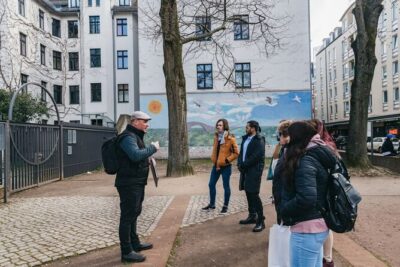
Path of Resistance: Berlin’s Hidden Holocaust Stories
Read our review →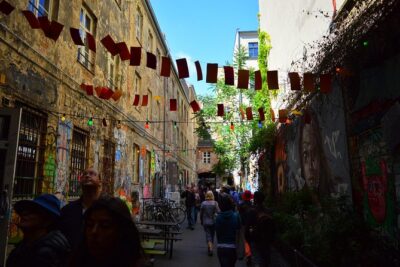
Private Tour: Jewish Heritage Walking Tour of Berlin
Read our review →
Jewish Berlin: Walking tour The Old Jewish Quarter (private 3 Hours tour)
Read our review →


Browse the lists this tour appears in