
Reviewed · BERLIN COLD WAR TOURS
Berlin: DDR Museum Tickets
The DDR Museum makes East German history unusually physical: you can open cupboards in a reconstructed apartment, handle the story through everyday objects, and climb into an original Trabant for a simulated drive through prefab neighborhoods. It’s a practical way to get beyond dates and political slogans and consider how a system shaped ordinary routines.
I like two things especially: the hands-on exhibits turn a visit into active exploration, and the apartment’s small domestic details make daily life feel concrete. One consideration: the museum can get crowded, and reading the exhibits takes time, so it may feel cramped if you arrive at a busy hour.
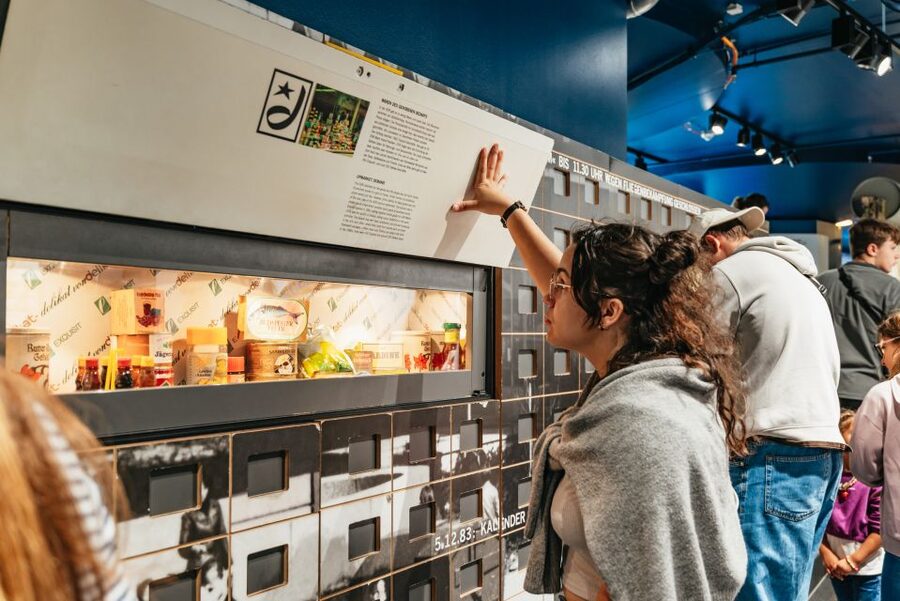
- A whole apartment to explore: Open cupboards, pull out drawers and look closely at period furnishings and household goods.
- A Trabant you can drive: Sit behind the wheel and take a simulated trip accompanied by the car’s familiar engine sounds.
- More than domestic nostalgia: Exhibits also touch on politics, media and life under the communist regime.
- Self-paced entry: The ticket includes museum admission, not a guide, so you choose where to linger.
- Central setting: The entrance is beside the Spree, opposite Berlin Cathedral.
- Worth planning time for: Many visitors spend about 1.5 to 2 hours, though a careful visit can take longer.
A hands-on view of East German life
The DDR Museum is built around a simple idea: history becomes easier to grasp when you can inspect the things people used every day. Instead of keeping every object behind glass, the museum invites you to open drawers, peer into cupboards and explore a set of reconstructed rooms. That makes it a very different sort of history stop from one built mostly around labels and display cases.
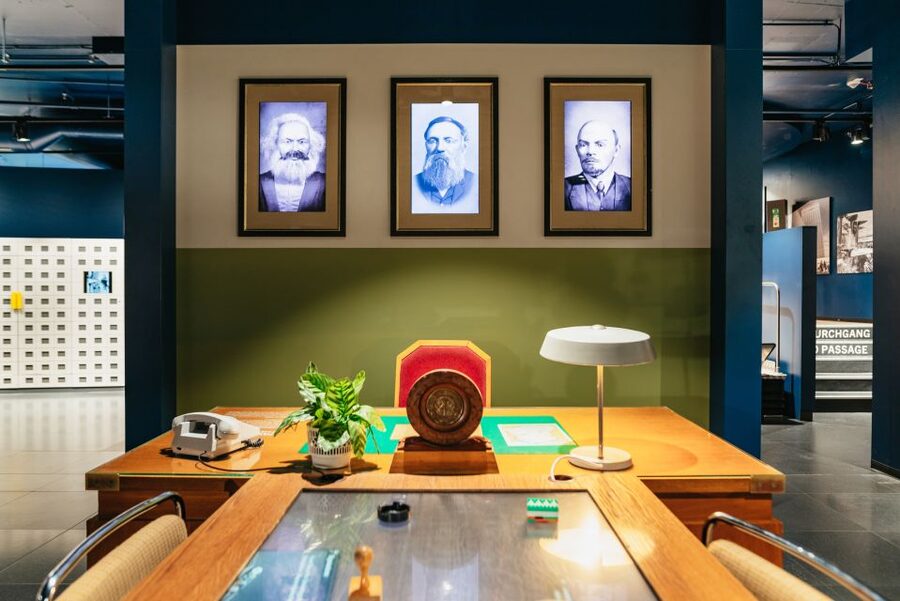
DDR is the German abbreviation for the German Democratic Republic, the communist state that existed in eastern Germany from 1949 until reunification in 1990. The museum looks at life under that system, using domestic objects and interactive displays to give political history a human scale. A pressure cooker on a stove or spices on a shelf may seem ordinary, but those details help you picture a home rather than just memorize a timeline.
I find that approach useful if you’re new to the subject. You can see how the state and its limits affected daily life, while familiar things such as furniture, television and music offer an easy way into a period that may otherwise feel remote.
Inside the reconstructed DDR apartment
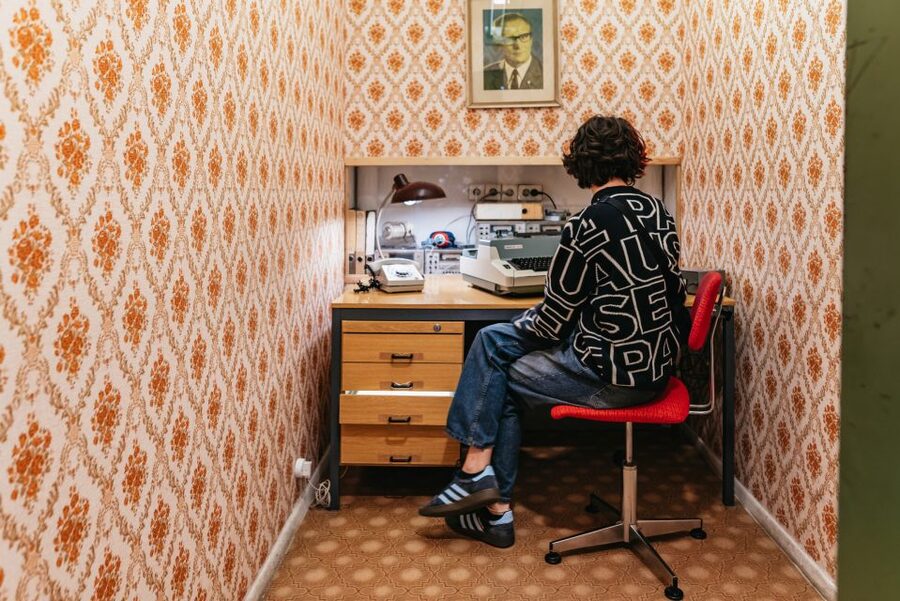
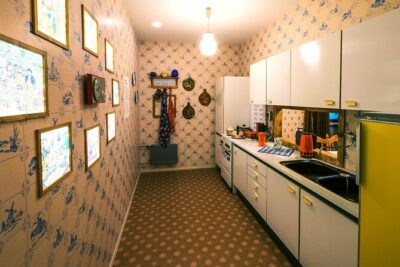
The apartment is the natural place to slow down. It is arranged as a typical East German home, with period furnishings and authentic products that you can examine at close range. You can switch on the television, look through the Karat wall unit and check the kitchen shelves. The invitation to open cupboards and drawers gives you a reason to notice details that a quick glance would miss.
That tactile approach is a strength, particularly for families and visitors who don’t usually enjoy museum displays. You are not just looking at an old chair and moving on; you’re considering the stuff of everyday life and the circumstances around it. The room can also feel sobering. The familiar domestic setting makes the restrictions of the period more tangible than a broad political overview alone.
Take your time, but remember that other people may be trying to reach the same displays. At busy times, it can be hard to read every label or examine every object without waiting. If you care more about the history than touching each item, read a section, look around, then move on and return if the space clears.
More Cold War tours in Berlin:
- Berlin: Third Reich and Cold War 2 Hour Walking Tour
★ 4.9 · 6,830 reviews - Berlin’s Best: 2 Hour Walking Tour Third Reich and the Cold War
★ 5.0 · 5,486 reviews - Cold War, Berlin Wall, Spies and the East Side Gallery
★ 5.0 · 1,024 reviews
Taking the Trabant for a simulated drive
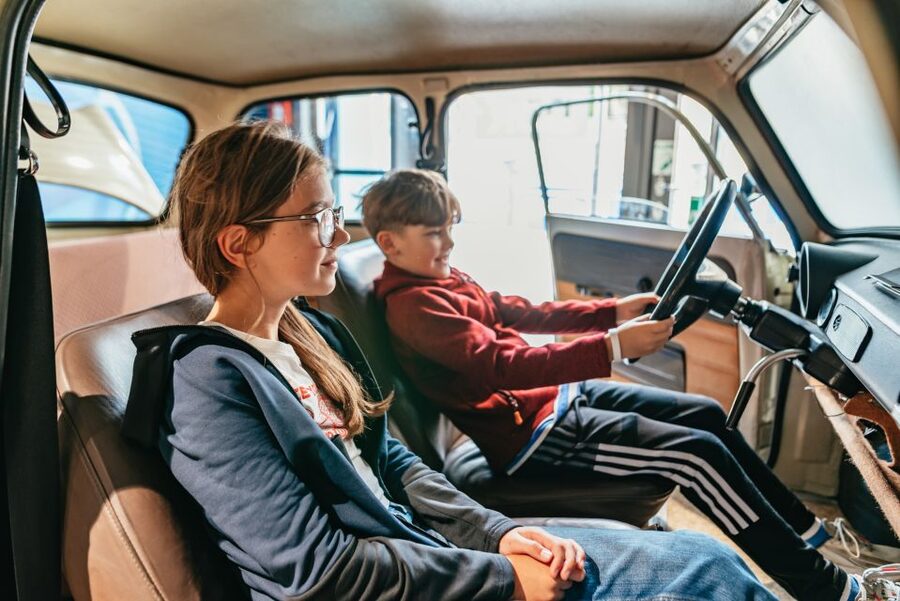
The original Trabant is one of the museum’s most memorable hands-on exhibits. You can climb inside, turn the ignition and set off on a simulated trip through prefabricated housing districts, complete with the car’s characteristic noises. The experience is playful, but it also gives you a physical connection to a vehicle that became closely associated with life in East Germany.
This is a highlight for children and adults alike, and it offers a welcome change of pace from reading. It is also a good example of the museum’s general method: a piece of material culture becomes an activity, then a starting point for thinking about how people lived.
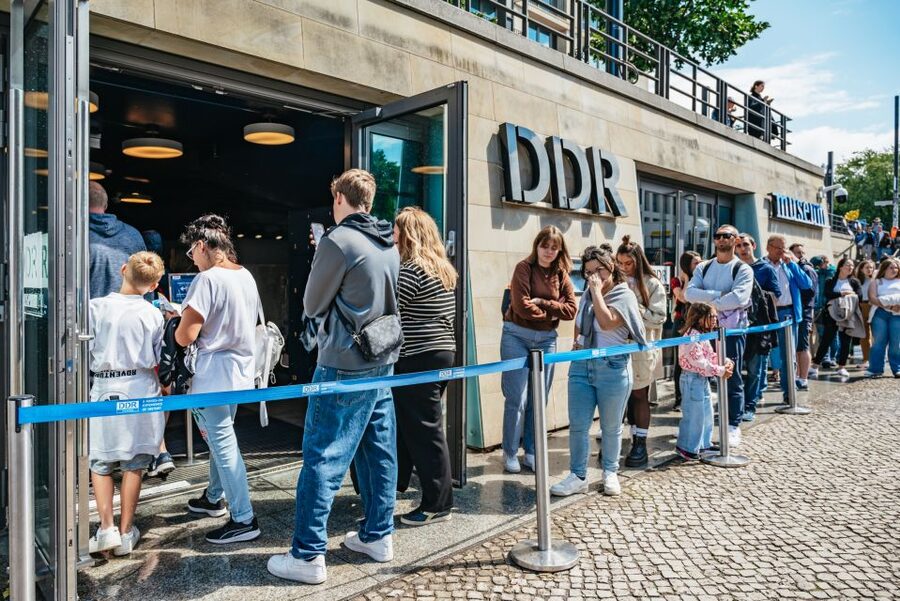
Expect some waiting if the museum is busy. The simulator draws attention, and it is one of the exhibits that can slow the flow through the rooms. If it’s occupied when you arrive, continue exploring and circle back rather than standing in a queue before you’ve seen anything else.
Television, music and the wider story
The museum extends beyond home furnishings into media and public life. You can watch news reports from an original cinema seat and encounter Lipsi, East Germany’s answer to rock-and-roll. These exhibits help show how culture and information fit into the broader story of the state.
There are also displays about the politics surrounding everyday life. The experience is not only a period room dressed in old furniture; it aims to give you a sense of the system that framed those routines. A former prison cell is another stark exhibit noted by visitors. It shifts the mood from domestic familiarity to the consequences of state control, and reminds you that a home setting is only one part of the history.
The exhibition’s hands-on style makes it approachable, but it cannot replace a guided historical account. Your entry ticket does not include a museum guide, so you’ll be exploring independently. If you want a structured explanation or a deeper discussion of political context, consider reading about East German history before or after your visit.
How much time to set aside
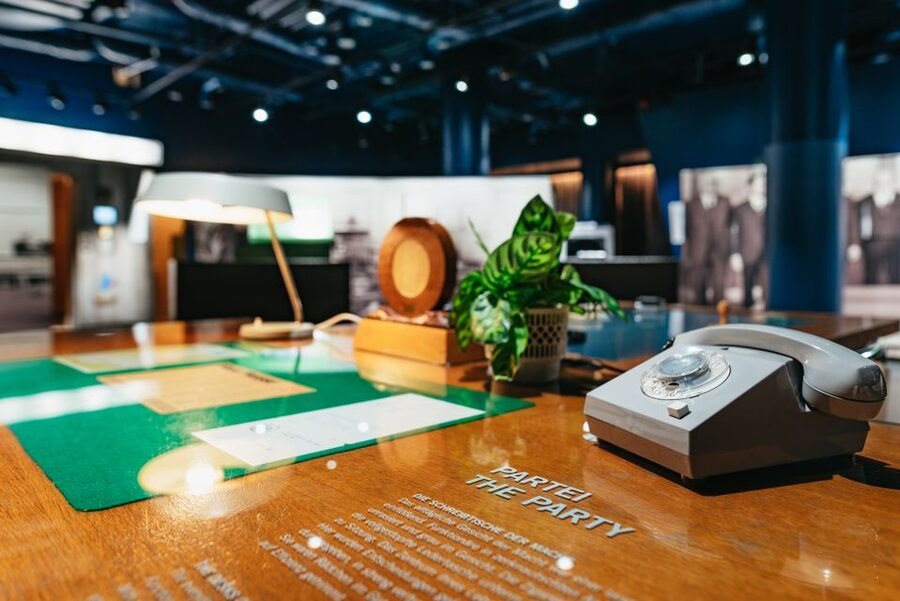
The ticket is valid for one day, but the visit itself is not a full-day activity for most people. A reasonable plan is around 1.5 to 2 hours. If you read the information closely, try the interactive features and take your time in the apartment, you could spend longer. One family spent about three hours, while other visitors found that 1.5 hours was enough for a good look.
There is no required route, so you can move between sections rather than follow a strict sequence. That flexibility is useful when a display is crowded or when a particular subject catches your attention. It also means you should keep an eye on your own pace: a museum full of labels and interactive stops can take longer than it first appears.
The exhibition is information-rich. The short hands-on activities add variety, but reading remains part of the visit. If standing for long periods is tiring for you, plan to arrive earlier in the day, when you may have more energy for the exhibits.
More museum visits in Berlin:
- Berlin: Jewish Museum Berlin Entrance Ticket
★ 4.5 · 8,393 reviews - Berlin: Natural History Museum Entrance Ticket
★ 4.6 · 3,382 reviews - Berlin: Neues Museum Entry Ticket
★ 4.6 · 3,261 reviews - Skip-the-Line: Berlin Wall Museum at Checkpoint Charlie
★ 4.1 · 2,041 reviews
Crowds, timing and practical details
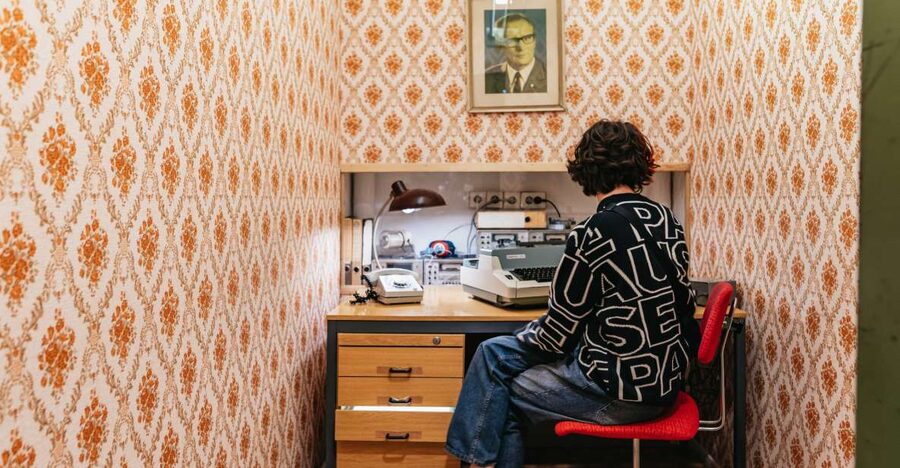
The museum is open daily from 9 a.m. to 9 p.m. It closes earlier, from 9 a.m. to 4 p.m., on December 24 and December 31. Since it stays open late, you have room to fit it around other central Berlin sights. Arriving outside peak hours is a sensible choice if you want more space to read and see the exhibits clearly.
The entrance is on the bank of the Spree, opposite Berlin Cathedral. That central location makes the museum straightforward to pair with a visit to the Cathedral area. The ticket covers admission only. There is no museum guide included, so you can set your own pace but should not expect a guided tour.
The ticket is listed at $15 per person, with free entry for children up to age five. At that price, the value depends on how much you engage with the displays. If you take time to read and explore, the apartment, the Trabant and the wider exhibits can make it a substantial visit. If you only want a quick look at historic objects, you may feel you haven’t made the most of the entry.
You can reserve now and pay later, and cancel up to 24 hours in advance for a full refund. Pets are not allowed.
Who will get the most from the DDR Museum
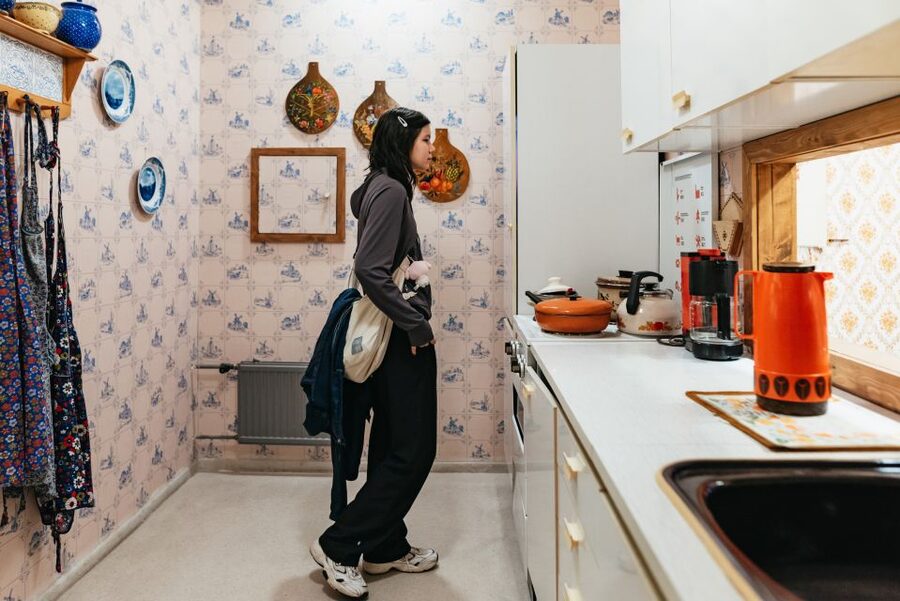
This museum is a strong fit if you want a clear, accessible introduction to life in East Germany, especially if you learn best by seeing and handling things. Families can use the interactive features to keep children engaged, while adults with personal memories of the period may find the furnishings and products stir recognition. For younger visitors, the apartment and car offer an inviting way into a history they did not experience firsthand.
It also works well for anyone curious about how political systems shape ordinary routines. The home exhibits give you a close look at domestic life; the media and prison displays point toward broader questions of control and freedom. The museum’s accessible presentation is a plus, though anyone seeking a detailed, guided examination of the period may want additional context elsewhere.
If you prefer quiet galleries, arrive early or later in the day if your schedule allows. A crowded room makes it harder to read wall text and explore the apartment at your own pace. Even with that drawback, the flexible layout lets you shift to another section and return when there is more room.
Should you book this museum ticket?
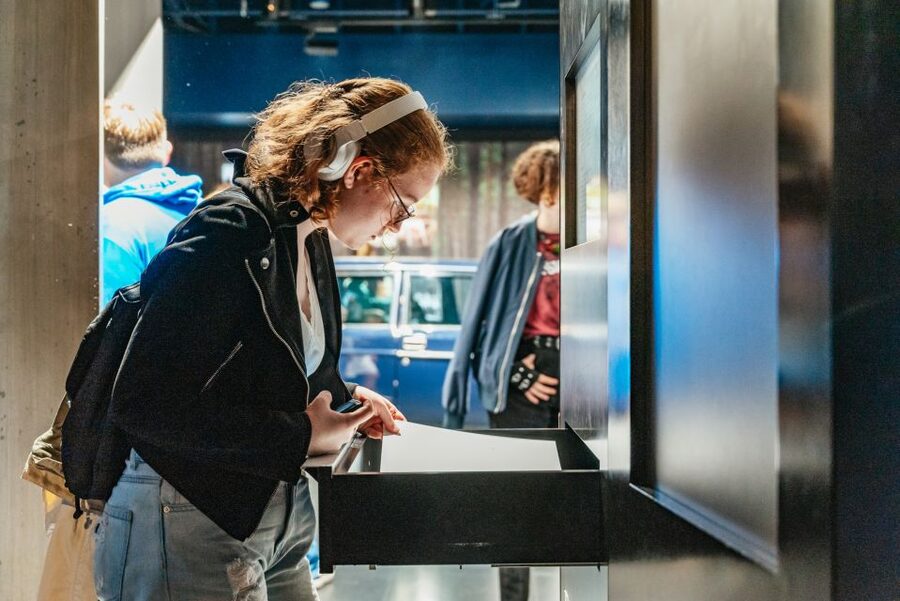
I’d book the DDR Museum if you want a tactile, easy-to-follow introduction to East German daily life in a central Berlin location. The apartment and Trabant simulator give the visit character, while the political and media displays keep it from being only a nostalgia set. For about $15, it offers good value if you give it time rather than treating it as a quick stop.
Choose another format or add a separate source of historical context if you want a guide to explain the story as you go. And if you’re visiting at a busy time, expect to share the interactive exhibits. Go with patience, read what interests you, and leave room for the details: a cupboard, a television or a car can say a lot about the world around them.
FAQ
Where is the DDR Museum entrance?
The entrance is on the bank of the Spree, opposite Berlin Cathedral.
What does the ticket include?
The ticket includes entry to the DDR Museum. A museum guide is not included.
How long should I plan for a visit?
Many people spend around 1.5 to 2 hours. A longer visit is possible if you read the information closely and spend time with the interactive exhibits.
What are the museum’s opening hours?
The museum is open daily from 9 a.m. to 9 p.m. On December 24 and December 31, it is open from 9 a.m. to 4 p.m.
Is entry free for young children?
Children up to age five get free entry.
Can I bring a pet?
No. Pets are not allowed.
Can I cancel my booking?
Yes. You can cancel up to 24 hours in advance for a full refund.
Newest tours in Berlin
- Berlin: guided canoe | kayaktour★ 4.1 · 7 reviews
- Understanding Kreuzberg: The roots of local (sub)culture★ 4.9 · 11 reviews
- Where It All Began: Berlin’s Queer & Trans History Tour★ 4.9 · 6 reviews
- Warnemünde Shore Excursion: Private Sachsenhausen and Berlin Tour★ 5.0 · 12 reviews
- Ultimate E-Bike Tour of Berlin with Beer Garden Stop★ 5.0 · 4 reviews
- Potsdam Highlights – Private sightseeing tour by minibus★ 5.0 · 3 reviews
- Private Potsdam City Tour in an authentic vintage van★ 5.0 · 14 reviews
- Transfer from Berlin Schönefeld Airport (SXF) to Berlin city Hotels – ROUND TRIP★ 4.0 · 3 reviews
Berlin Cold War Tours, compared.

Cold War, Berlin Wall, Spies and the East Side Gallery
Read our review →


Private Walking Tour: World War 2 and Cold War Sites in Berlin
Read our review →
East Berlin Food & History Tour with Eating Europe
Read our review →Browse the lists this tour appears in