
Reviewed · BERLIN THIRD REICH TOURS
Third Reich Berlin: Hitler and WWII Walking Tour
Berlin’s Nazi past is not tucked away in one museum. It is written into streets, government buildings, memorials, and even a patch of ordinary ground above Hitler’s former bunker. This three-hour walk links those places into a clear account of how the regime took power and how the Battle of Berlin brought it to an end.
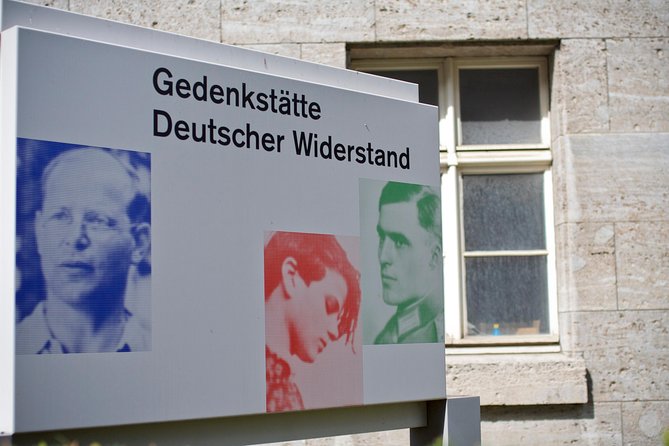
I like two things in particular: the route puts major events in their physical setting, and the guide can connect them in a way that is hard to get from a solo stroll. You’ll also hear about resistance figures such as Claus von Stauffenberg and Henning von Tresckow, not just Nazi leaders.
The trade-off is that this is a long, largely outdoor walk with difficult subject matter. The sites themselves are often modest or memorialized rather than preserved as dramatic ruins, so the guide’s explanations do much of the work. Dress for the weather and wear comfortable shoes.
Key points to know before you go
- Hitler’s bunker site is a location, not a preserved bunker. You stand above the place where Hitler spent his final days in 1945.
- The route connects major Nazi-era sites. Expect the Reichstag, Brandenburg Gate, Wilhelmstrasse, the former Air Ministry, and the Topography of Terror.
- You’ll hear about resistance as well as repression. The tour covers figures including Klaus von Stauffenberg, Henning von Tresckow, and Hans Oster.
- It runs about three hours and is all on foot. One person estimated roughly 5,000 brisk steps, so plan accordingly.
- Groups are capped at 25, and the tour is in English. Guide assignments vary, so you can’t count on a particular guide.
- The listed price is $24.07 per person. For a half-day history lesson with a local guide, that is a strong price, especially if this is your first visit to Berlin.
From Friedrichstrasse to the story of Nazi Berlin
The tour is designed to make a complicated period easier to follow by pairing events with the places where they unfolded. You’ll hear about Hitler’s rise to power, the dismantling of democracy, the regime’s racial policies and its expansionist aims, then follow the story toward the final Soviet assault on Berlin in 1945.
That context matters. Without it, a walk past imposing government buildings can feel like a string of unrelated stops. With a guide, a street corner can lead into a discussion of propaganda, a memorial can clarify the cost of war, and the bunker site can bring the regime’s last days into focus.
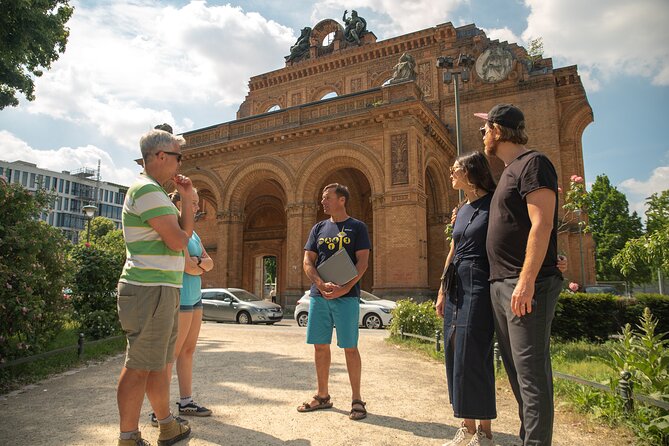
The advertised meeting point is Reichstagufer 17, while the route description identifies Friedrichstrasse Station as the first stop. Check your confirmation for the precise meeting instructions and arrive 15 minutes early. The walk ends at the Topography of Terror, close to Checkpoint Charlie, which makes it easy to continue exploring that part of Berlin afterward.
More walking tours in Berlin:
- Discover Berlin Half-Day Walking Tour
★ 5.0 · 9,624 reviews - Berlin: Third Reich and Cold War 2 Hour Walking Tour
★ 4.9 · 6,830 reviews - Berlin: Discover Berlin Walking Tour
★ 4.9 · 5,998 reviews
A memorial, a parliament, and the cost of war
The first listed stop is Friedrichstrasse Station, where the guide gives an overview of the places ahead. The short introduction helps you get your bearings before the route moves into the city’s harder history. You’ll also see the memorial Trains to Life, Trains to Death, which commemorates Jewish children deported from Berlin to concentration camps. It is a brief stop, but a necessary one: it gives the persecution behind the regime’s policies a human focus.
At the Reichstag, the guide explains how the 1933 fire was used by the Nazis to help consolidate power and suspend civil liberties. The building also figured in the final battle for Berlin, when Soviet forces raised their flag there in 1945. You view the building from outside; admission is not included, and this tour does not promise entry. The value here is the historical framing, not an interior visit.
You’ll also hear about daily life for Berliners during the dictatorship and air raids. That shifts the story from leaders and policy to the people who lived under them. If you want a tour focused only on military tactics, this broader view of society may be a welcome change.
The Soviet War Memorial and Brandenburg Gate
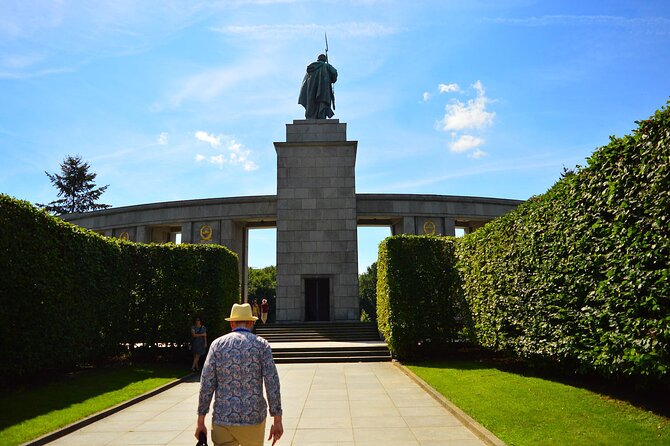
The Soviet War Memorial in Tiergarten commemorates Red Army soldiers who died in the Battle of Berlin. A large statue of a Soviet soldier rises above the memorial grounds, and the site includes a military cemetery. The guide can put the monument in the context of the Soviet advance and the human cost of the final battle.
The memorial is solemn, and its symbolism is direct. It honors Soviet sacrifice while marking the defeat of Nazi Germany. The tour gives you a chance to consider the people involved in the final fighting, rather than treating the end of the war as a simple date on a timeline.
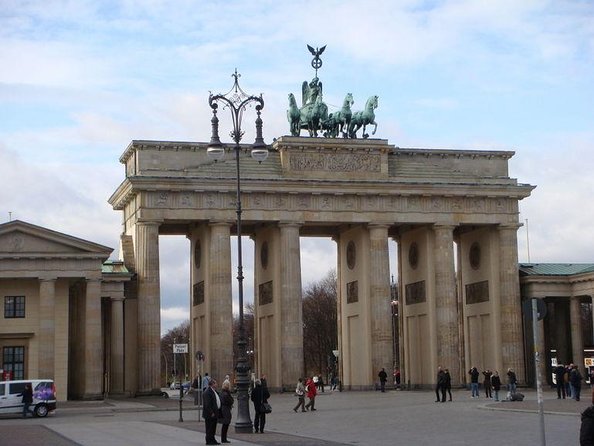
At the Brandenburg Gate, the guide traces how a landmark now associated with German reunification was used by the Nazi regime for propaganda and public displays of power. The gate’s changing meaning is part of what makes Berlin’s history so visible: the same place can carry different political messages across generations. This is a short stop, so expect a concise explanation rather than an extended visit.
Art, architecture, and the machinery of government
The Akademie der Künste stop opens a discussion of how art and architecture became entangled with Nazi ideals. Albert Speer, Hitler’s chief architect and later Minister of Armaments, promoted monumental designs meant to project power. The guide connects that architectural vision to the broader role of culture and propaganda in the regime.
The historical relationship between Speer and the Academy is not as direct as the connections at some other stops. The useful point is the wider question of how institutions and creative fields dealt with the Nazi period, both under the regime and after the war. If architecture is your main interest, you may want more time here than the brief stop allows.
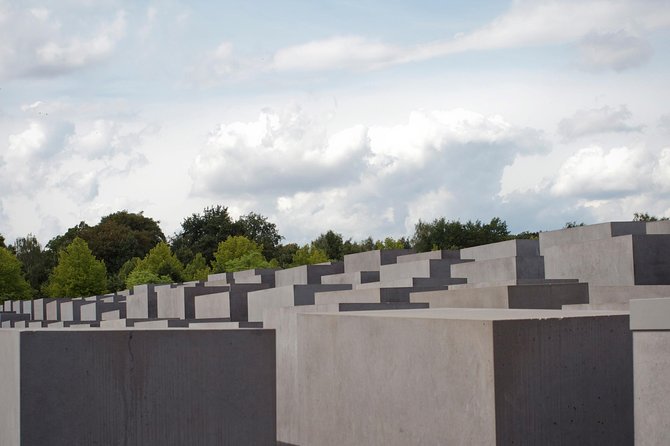
Nearby, the Memorial to the Murdered Jews of Europe is a field of 2,711 concrete slabs of varying heights. Walking among them changes your view from the surrounding streets and invites quiet reflection. The stop is short, so you may want to return on your own if you would like more time. The memorial’s design is powerful, but it cannot tell the full history by itself; the guide’s context helps connect the place to the Holocaust and the regime’s persecution of Jews.
More Third Reich tours in Berlin:
- Berlin: Berlin Story Bunker Entry Ticket
★ 4.6 · 6,759 reviews - Berlin’s Best: 2 Hour Walking Tour Third Reich and the Cold War
★ 5.0 · 5,486 reviews - Berlin: Third Reich, Hitler, and WWII Walking Tour
★ 4.9 · 1,133 reviews - Berlin Third Reich Sites: Half-Day Walking Tour
★ 5.0 · 835 reviews
Above Hitler’s bunker and along Wilhelmstrasse
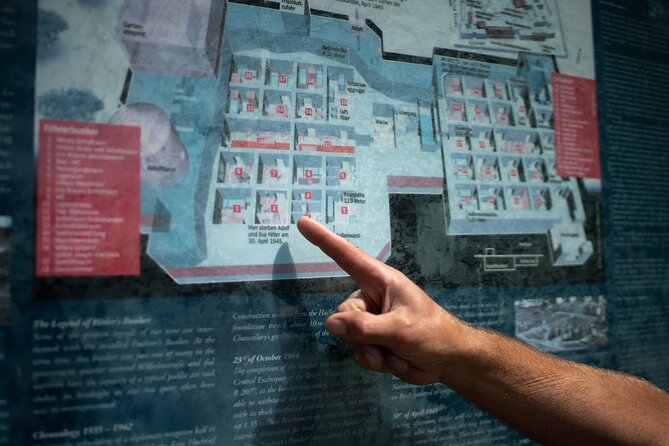
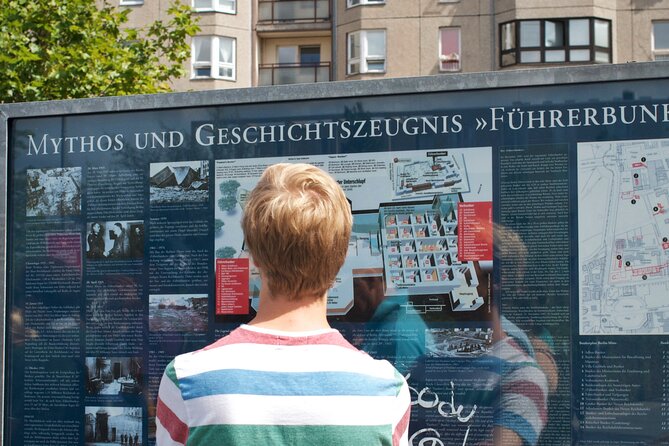
At the Führerbunker site, you stand above the location where Hitler spent the final days of the war and died in April 1945. There is no intact bunker to enter. The site is a reminder that a place central to the end of the regime can now look unremarkable, which is why the explanation matters.
The tour also points out the former location of the New Reich Chancellery, built by Speer. The buildings associated with the Nazi leadership were largely destroyed or repurposed after the war, so you are reading the city through surviving structures, memorials, and the guide’s account. A guide such as Eran has used the reveal of the bunker site to make the stop more impactful, but the specific guide you get will vary.
Wilhelmstrasse was once a key center of Nazi government. Offices connected to the Reich Chancellery, the Foreign Ministry, and the Ministry of Propaganda stood in this area. Decisions made here shaped military plans and persecution. Today, modern redevelopment sits among traces of that past, a contrast that can be easy to miss without someone pointing out what was here.
From the Air Ministry to the Topography of Terror
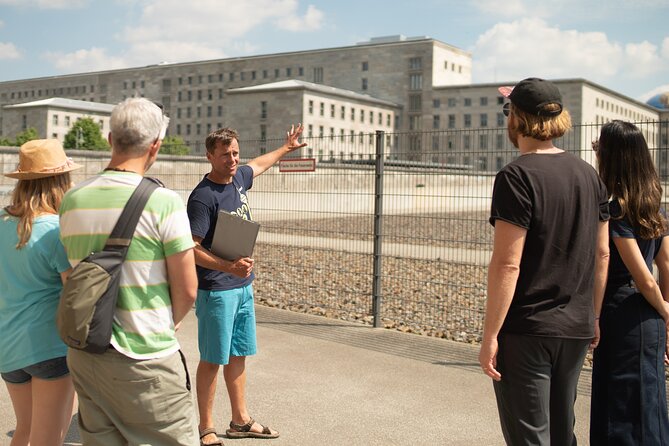
The former Reich Air Ministry, associated with Hermann Göring and the Luftwaffe, is one of the most imposing surviving Nazi-era buildings on the route. The Luftwaffe played a major role in the regime’s military operations, and the building’s scale reflects the authority its leaders wanted to project. The guide connects the structure to the military organization and decisions made inside it.
The route also passes the former propaganda headquarters associated with Joseph Goebbels. The stop introduces the way propaganda helped the regime shape public life and promote its goals. Goebbels’ role was not simply to deliver speeches: propaganda was part of a larger system of control and persuasion that the tour sets alongside the regime’s violence.
At the Topography of Terror, the tour ends on the site of the former SS and Gestapo headquarters. The museum and memorial use photographs, documents, and accounts to explain how these organizations enforced repression, persecution, and the Holocaust. The short guided stop is a useful orientation, but you may want to return for more time with the exhibits. The ending is well chosen: it ties the walk’s locations to the institutions that carried out state terror.
Resistance, storytelling, and the guide
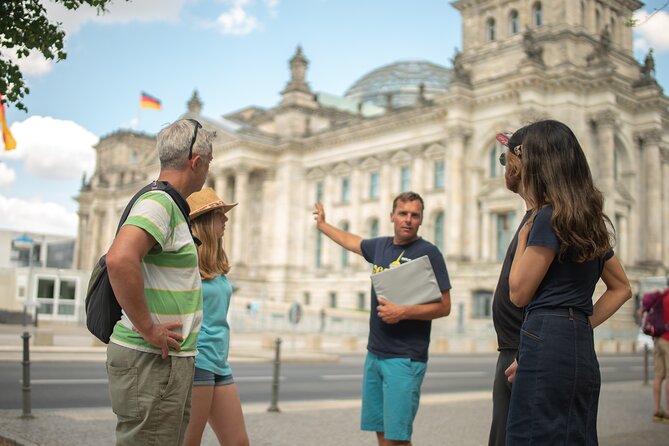
The strongest part of this tour is the guide’s ability to connect buildings and events without turning the walk into a list of dates. The subject is dense, and the guide’s job is to make the sequence understandable: the rise of the Nazi Party, the weakening of democratic rights, the war, resistance, and the fall of Berlin. The tour includes opposition figures such as Henning von Tresckow, Hans Oster, and Claus von Stauffenberg, giving the story more than one point of view.
Guides named by previous participants include Maria, Ru, Chris, Tom, Jim, Tina, Paul, Ciarán, and others. Their names are not a booking guarantee, but the range of comments points to a format that depends heavily on clear storytelling and a willingness to answer questions. Some guides have also offered practical tips for exploring Berlin, which is useful if this is an early stop in your stay.
The tone needs to be engaging without making light of atrocities. The strongest guiding approach, as described in the feedback, balances accessible storytelling with care for the subject. If you are traveling with a teenager, one parent reported that their 15-year-old stayed engaged. That is encouraging, though a three-hour walking tour about dictatorship, war, and the Holocaust will not suit every young person.
Is $24.07 good value?
At $24.07 per person, the price is reasonable for a three-hour guided walk covering this many sites. You are paying for the route and, more importantly, the context that links places that might otherwise seem unrelated. A local guide can also point out locations that are easy to pass without realizing their significance.
The tour is especially good value if you have only half a day for this subject or want a clear overview before exploring museums independently. It is less ideal if you want long, unhurried time at each memorial or museum. The schedule keeps moving, and several stops last only about 10 to 15 minutes.
The group can include up to 25 people, which is a manageable cap but still large enough that you should stay close to the guide. The tour is offered in English, and the local expert guide and three-hour walk are included. Hotel pickup and drop-off are not included.
Walking, weather, and booking details
This is an outdoor walking tour, so Berlin’s weather matters. People who took it in cold conditions advised layering up, wearing comfortable shoes, and bringing coffee if you like. One person estimated about 5,000 steps at a brisk pace. The route covers a broad area, and there is little point in joining if you are not prepared to keep moving for several hours.
The tour is open to most participants, and service animals are allowed. It is near public transportation. Confirmation is provided at booking, and the stated cancellation terms allow a full refund if you cancel at least 24 hours before the start time. The tour is often booked about 27 days ahead on average, so reserve early if your Berlin dates are fixed.
Should you book this Berlin history walk?
Book it if you want a clear, guided introduction to Nazi Berlin, the Battle of Berlin, and the resistance to Hitler’s rule. The combination of the bunker site, government district, memorials, and Topography of Terror gives you a strong framework for further visits.
Think twice if you prefer to explore at your own pace, need a mostly seated experience, or want extensive time inside museums. For most history-minded visitors with three hours to spare, though, this is a practical, affordable way to understand the places behind one of Europe’s darkest chapters. Bring warm layers, stay alert to the guide’s commentary, and leave room afterward for a slower return to the memorials that stay with you.
FAQ
How long is the tour?
It lasts about three hours and is a walking tour.
What is the price?
The listed price is $24.07 per person.
What language is the tour offered in?
The tour is offered in English.
Where does the tour start?
The meeting point provided is Reichstagufer 17, 10117 Berlin. The route description identifies Friedrichstrasse Station as its first stop, so check your confirmation for the exact meeting instructions.
Where does the tour end?
It ends at the Topography of Terror, close to Checkpoint Charlie.
Is entry to the Reichstag included?
No. Admission to the Reichstag is not included.
How large can the group be?
The maximum group size is 25 people.
Is hotel pickup included?
No. Hotel pickup and drop-off are not included.
Can I cancel for a refund?
You can receive a full refund if you cancel at least 24 hours before the tour’s start time.
Newest tours in Berlin
- Berlin: guided canoe | kayaktour★ 4.1 · 7 reviews
- Understanding Kreuzberg: The roots of local (sub)culture★ 4.9 · 11 reviews
- Where It All Began: Berlin’s Queer & Trans History Tour★ 4.9 · 6 reviews
- Warnemünde Shore Excursion: Private Sachsenhausen and Berlin Tour★ 5.0 · 12 reviews
- Ultimate E-Bike Tour of Berlin with Beer Garden Stop★ 5.0 · 4 reviews
- Potsdam Highlights – Private sightseeing tour by minibus★ 5.0 · 3 reviews
- Private Potsdam City Tour in an authentic vintage van★ 5.0 · 14 reviews
- Transfer from Berlin Schönefeld Airport (SXF) to Berlin city Hotels – ROUND TRIP★ 4.0 · 3 reviews
Berlin Third Reich Tours, compared.

Berlin Third Reich Sites: Half-Day Walking Tour
Read our review →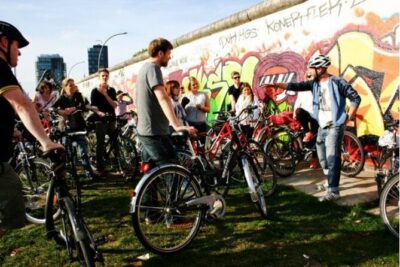
Guided Bike Tour of the Berlin Wall and Third Reich
Read our review →
Hitler’s Germany: Berlin During the Third Reich & WWII
Read our review →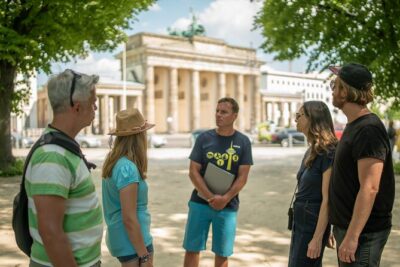
Private Walking Tour Berlin Third Reich Hitler and World War II
Read our review →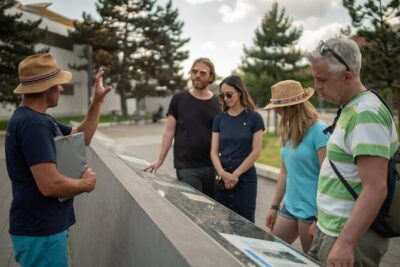
Private Walking Tour: World War 2 and Cold War Sites in Berlin
Read our review →Browse the lists this tour appears in