
Reviewed · BERLIN COLD WAR TOURS
Hitler to Stalin – WWII & Cold War Tour (Small Group)
Berlin’s past is written across ordinary streets and famous landmarks. On this 2.5-hour walk, you connect the Nazi era with the Cold War and see how Berlin’s division and reunification changed the city.
I like two things in particular: the route brings major sites such as Hitler’s Bunker, the Berlin Wall, and Checkpoint Charlie into one historical story, and the small-group format gives a guide room to engage with the people on the walk. Maps and Then & Now photos help make the city’s changes easier to picture.
The main consideration is pace. You cover a lot of ground and difficult history in two and a half hours, so this is a strong orientation, not a substitute for longer visits to the museums and memorials that interest you most.
Key points before you book
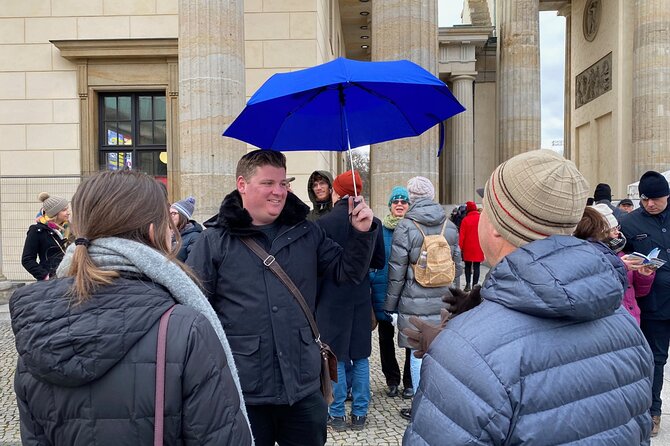
- Start and finish at the Brandenburg Gate: Meet at the Tourist Center and look for the blue umbrella. The tour returns to the same meeting point.
- A compact route through major history: The sights include the Reichstag, the Holocaust Memorial, Hitler’s Bunker, Gestapo headquarters, the Berlin Wall, and Checkpoint Charlie.
- A guide leads the story: The tour is in English, and Tom has been praised for engaging the group and handling the subject matter appropriately. Your guide may differ.
- Maps and Then & Now photos are included: These visual aids help you compare Berlin’s past with the streets you see today.
- Plan for a walk in any weather: Wear comfortable shoes and bring water, a light snack, and rain protection if the forecast calls for it.
- A relatively low-cost introduction: At $34 per person, it offers a guided overview of a difficult and important period in Berlin’s history.
One walk connects two defining eras
Berlin can feel like several cities layered on top of one another. The Brandenburg Gate recalls the city’s political past and its present-day role as a symbol of unity. Nearby sites and former borders carry the weight of Nazi rule, wartime destruction, Cold War division, and reunification.
This tour links those subjects rather than treating each landmark as a separate photo stop. That matters: the city’s story does not end with World War II. Berlin’s division followed, shaping everyday life and international politics for decades before the city was reunited.
The stated focus is broad, moving from the shadows of the Nazi period to the tensions of the Cold War. In 2.5 hours, you can expect a guided overview that gives context to the places you see and helps you understand how events changed Berlin. You should not expect an exhaustive account of every part of the period. The value is in having a guide connect key locations and explain why they matter.
More Cold War tours in Berlin:
- Berlin: Third Reich and Cold War 2 Hour Walking Tour
★ 4.9 · 6,830 reviews - Berlin’s Best: 2 Hour Walking Tour Third Reich and the Cold War
★ 5.0 · 5,486 reviews - Berlin: DDR Museum Tickets
★ 4.3 · 3,443 reviews
Meeting beneath the Brandenburg Gate
The meeting point is the Tourist Center at the Brandenburg Gate. Look for the blue umbrella, a handy detail in a busy central area. The tour starts and ends here, so you do not need to arrange transport back from a distant finish point.
The Gate is a fitting place to begin. The tour presents it as a symbol that connects the city’s war-torn past with its later unity. That gives your guide a natural opening to frame the walk: Berlin’s landmarks are not just backdrops, but part of a city that has been repeatedly reshaped by political events.
Arrive ready to walk and listen. Comfortable shoes are recommended, and the tour runs rain or shine. Bring water and a light snack, plus an umbrella or raincoat if the weather looks unsettled. There is no need to dress for a formal indoor visit, but you will be outdoors for much of the experience.
The Reichstag and the politics behind the city
The Reichstag is one of the tour’s listed highlights, and it offers a useful place to consider the politics behind Berlin’s upheavals. The tour’s emphasis is on understanding those events, rather than simply ticking off a famous building.
The supplied details do not promise entry to the Reichstag, so plan on seeing the site as part of a walking tour unless your guide tells you otherwise. That distinction is worth keeping in mind if you are hoping to go inside. The walk is designed to explain the landmark in context, not to provide a separate building visit.
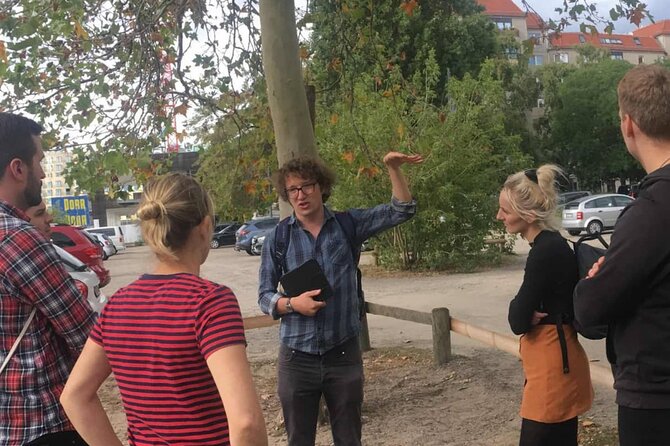
The guide’s role is especially important here. A name such as Tom has been associated with an engaging, appropriate approach to the material and an ability to involve the group. That is a welcome quality on a tour covering political violence and loss. Guides can vary, of course, but the experience is built around live explanation rather than a self-guided route.
The Nazi era at the bunker, Gestapo site, and memorial
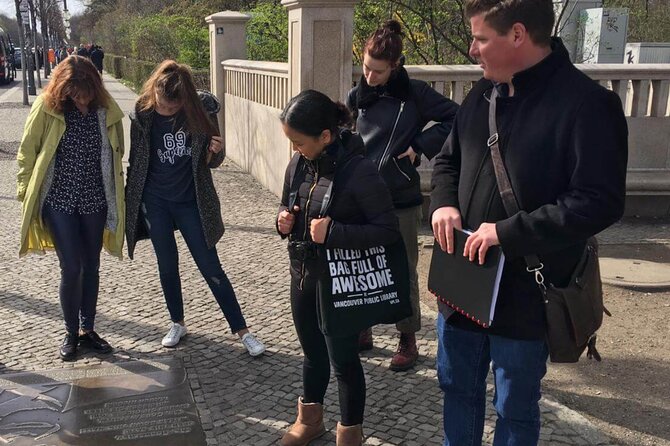
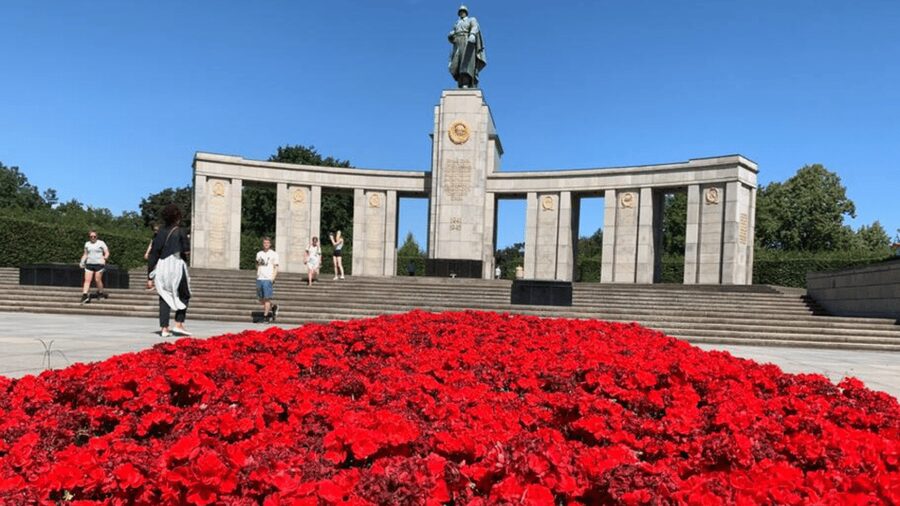
The route also covers Hitler’s Bunker, the former Gestapo headquarters, and the Memorial to the Holocaust. These sites bring the Nazi period into focus through places linked to power, persecution, and remembrance.
The bunker is a particularly striking stop because it connects the broad history of the regime to a specific location in Berlin. The tour includes it as a landmark, but the information provided does not promise access to an interior space. Approach it as a historical site explained by your guide, not as a bunker tour.
The former Gestapo headquarters adds another dimension to the story. The tour identifies the site as part of its coverage, giving you a chance to understand Berlin’s history through the institutions associated with Nazi rule. A guide can explain why a location matters in ways that a quick glance at a map cannot.
At the Memorial to the Holocaust, the purpose shifts toward remembrance and reflection. The tour frames this stop around the immense loss of the Nazi era and the lessons its history carries. Give yourself space to take in the site. The walk has a schedule, but this is not a place to rush through with your attention fixed only on the next stop.
The subject matter is serious throughout. The tour promises an account that honours Berliners’ resilience while confronting human suffering. If you are visiting with children or anyone who may find this history difficult, consider how they respond to discussions of war, persecution, and loss.
More Third Reich tours in Berlin:
- Berlin: Berlin Story Bunker Entry Ticket
★ 4.6 · 6,759 reviews - Third Reich Berlin: Hitler and WWII Walking Tour
★ 5.0 · 3,301 reviews - Berlin: Third Reich, Hitler, and WWII Walking Tour
★ 4.9 · 1,133 reviews - Berlin Third Reich Sites: Half-Day Walking Tour
★ 5.0 · 835 reviews
The Wall and Checkpoint Charlie
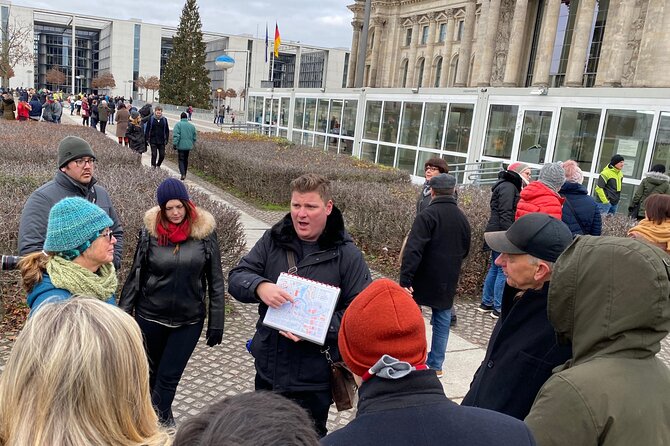
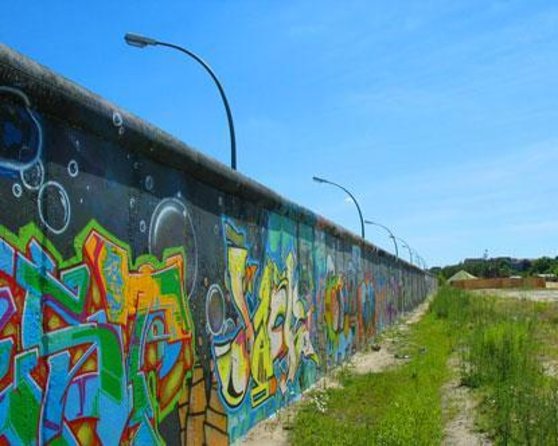
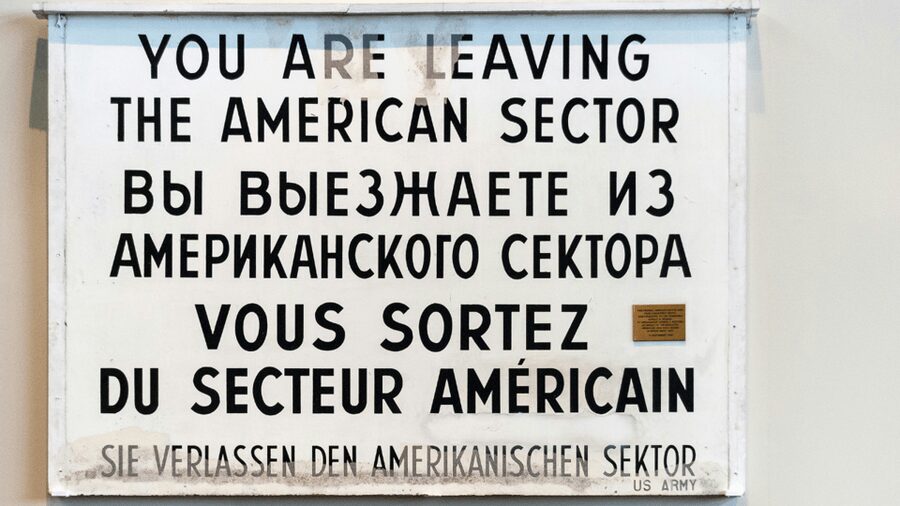
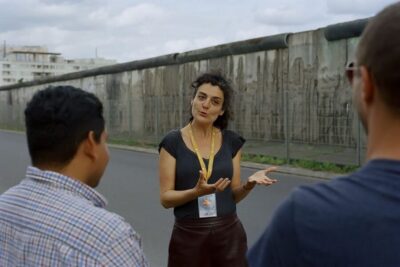
The Berlin Wall is one of the tour’s central features. Here, the Cold War becomes tangible: Berlin was not only a city shaped by competing political systems, but a place physically divided. The tour aims to explain the events that led to the split and, later, the city’s unification.
Seeing the Wall in person adds something a textbook cannot. You can connect the idea of an Iron Curtain to a real boundary in the city, then hear how division affected Berlin and why its eventual end mattered beyond Germany. The tour’s maps and Then & Now photos are useful here, helping you picture changes across time.
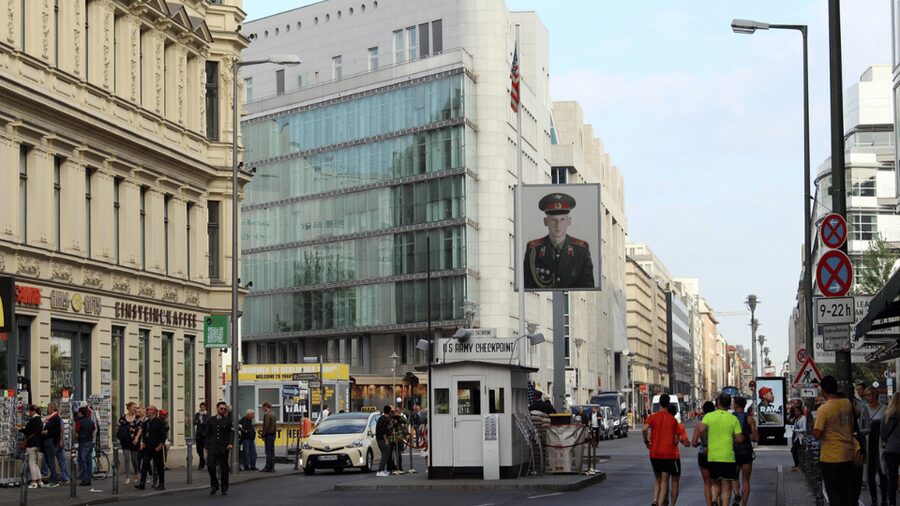
Checkpoint Charlie provides another clear marker of that division. Its name is familiar, but its place in the story becomes more meaningful when set alongside the Wall and the wider account of the Cold War. The stop is part of a larger explanation, not the whole story on its own.
Expect a city walk, not an indoor exhibition. The provided details identify the Wall and Checkpoint Charlie as sights on the route, but do not specify how long the group spends at each one. If a particular site matters most to you, ask your guide about it during the walk.
What the small group and visual aids add
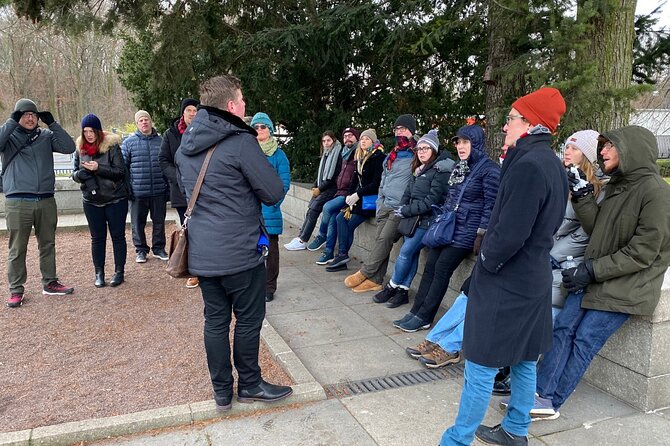
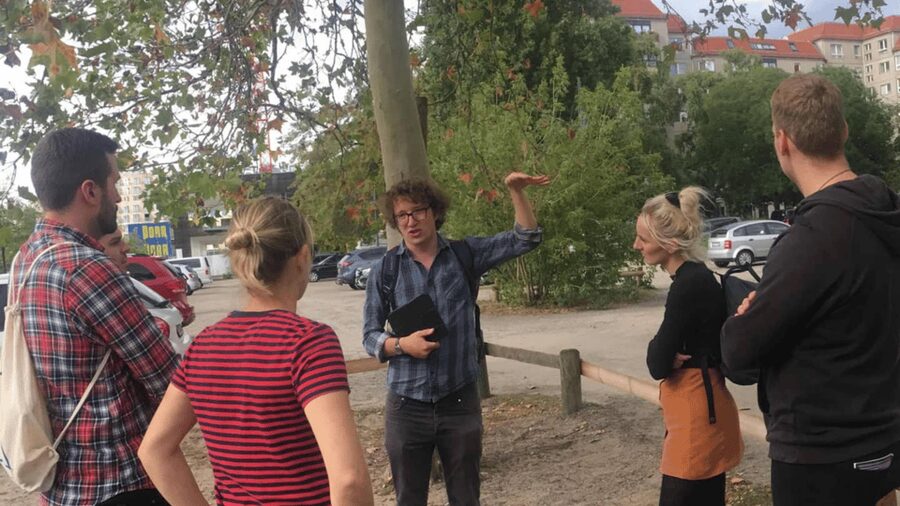
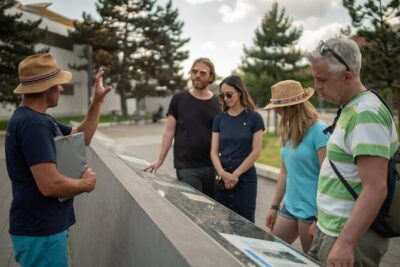
This is an exclusive small-group tour, though no maximum group size is specified. Smaller groups can make it easier to hear the guide and ask a question than a large crowd of people gathered on a pavement. They also suit a subject that benefits from discussion and careful explanation.
The included maps and Then & Now photographs give the guide extra tools to show how Berlin changed. That is practical in a city where a current street view may not reveal what stood there before or how a former boundary worked. The images help bridge the gap between past and present without asking you to imagine everything from words alone.
The strongest praise associated with the tour points to the guide’s delivery and the coverage of the key sites. Tom has been singled out for being engaging and appropriate with the group, while another assessment appreciated the guide’s command of the subject and the places visited. Those are useful signals, but there are only nine ratings behind the overall 4.9 score. Treat that high mark as encouraging, not as a guarantee that every guide or group will feel exactly the same.
Is $34 good value?
At $34 per person, the price is reasonable for a guided, English-language walk covering several of Berlin’s most significant Nazi and Cold War locations. You are paying for the guide’s explanation, the small-group format, and the visual materials, not transport or a full-day itinerary.
The tour’s value depends on what you want. If you are new to Berlin, it can give you a framework for understanding the city before you explore further on your own. If you already know the history well, you may still appreciate connecting the sites on foot, but the broad scope may feel like a refresher rather than a specialist seminar.
There is a trade-off in the 2.5-hour format. It is long enough to cover a substantial set of landmarks, but short enough that you should not expect extensive time at every one. Think of it as an efficient introduction. You can then return to the places that prompt more questions or make a separate visit to a museum or memorial.
Who should take this walk?
I would recommend it if you want a clear, guided introduction to Berlin’s Nazi era and Cold War history, especially if this is your first visit. It also suits anyone who prefers hearing a connected story while walking through the places where history unfolded, rather than piecing the city’s past together from isolated stops.
It is a good choice if you want to see several major landmarks in one outing and value a guide who can respond to the group. The small-group setup, maps, and Then & Now photos add useful structure to a route with a lot to cover.
Skip it if you want a slow, in-depth visit to one site or substantial time inside buildings. The listed experience is a walking tour that connects landmarks, not an interior-focused museum tour. And if you prefer to explore difficult history entirely at your own pace, a guided group may not be the right format.
Practical details to know
The tour lasts 2.5 hours, is conducted in English, and is listed as wheelchair accessible. It takes place rain or shine, so check the forecast and bring suitable rain gear. Wear comfortable walking shoes, and carry water and a light snack.
You meet at the Tourist Center at the Brandenburg Gate and look for the blue umbrella. The activity ends back at the same meeting point. You can reserve now and pay later, and cancellation is available up to 24 hours in advance for a full refund.
Should you book it?
Book this tour if you want Berlin’s landmarks explained as part of one story, from Nazi rule through Cold War division to reunification. The broad route, small-group format, and visual aids make it a practical first step into the city’s history, and the $34 price is fair for a guided overview.
Choose a different experience if your priority is a long visit inside a specific site or a highly specialized account of one period. For most first-time visitors with a few hours to spare, this walk offers a thoughtful way to get your bearings and decide what deserves a closer look.
FAQ
How long is the tour?
The tour lasts 2.5 hours.
What language is the tour in?
The live tour guide speaks English.
Where does the tour start?
Meet at the Tourist Center at the Brandenburg Gate. Look for the blue umbrella.
Where does the tour end?
It ends back at the meeting point at the Brandenburg Gate.
What landmarks are included?
The tour covers the Brandenburg Gate, the Reichstag, the Berlin Wall, the Holocaust Memorial, Checkpoint Charlie, Hitler’s Bunker, and the former Gestapo headquarters.
What should I bring?
Wear comfortable shoes and bring water and a light snack. If the weather may be poor, take an umbrella or raincoat.
Newest tours in Berlin
- Berlin: guided canoe | kayaktour★ 4.1 · 7 reviews
- Understanding Kreuzberg: The roots of local (sub)culture★ 4.9 · 11 reviews
- Where It All Began: Berlin’s Queer & Trans History Tour★ 4.9 · 6 reviews
- Warnemünde Shore Excursion: Private Sachsenhausen and Berlin Tour★ 5.0 · 12 reviews
- Ultimate E-Bike Tour of Berlin with Beer Garden Stop★ 5.0 · 4 reviews
- Potsdam Highlights – Private sightseeing tour by minibus★ 5.0 · 3 reviews
- Private Potsdam City Tour in an authentic vintage van★ 5.0 · 14 reviews
- Transfer from Berlin Schönefeld Airport (SXF) to Berlin city Hotels – ROUND TRIP★ 4.0 · 3 reviews
Berlin Cold War Tours, compared.


Cold War, Berlin Wall, Spies and the East Side Gallery
Read our review →


Private Walking Tour: World War 2 and Cold War Sites in Berlin
Read our review →Browse the lists this tour appears in