
Reviewed · BERLIN COLD WAR TOURS
DDR Museum Berlin Admission Ticket
The DDR Museum turns postwar East German history into a walk through daily life. Instead of looking only at dates and political leaders, you see household objects, recreated rooms, and displays about work, transport, housing, and state control. The museum sits beside the Spree, opposite Berlin Cathedral, in a central spot that’s easy to add to a day in Mitte.
I like two things about this visit: the reconstructed apartment makes history tangible, and climbing into the Trabant gives you a memorable way to picture East German transport. One caution: the museum is compact, and crowds can make its interactive displays feel cramped. Go at a quieter time if you can.
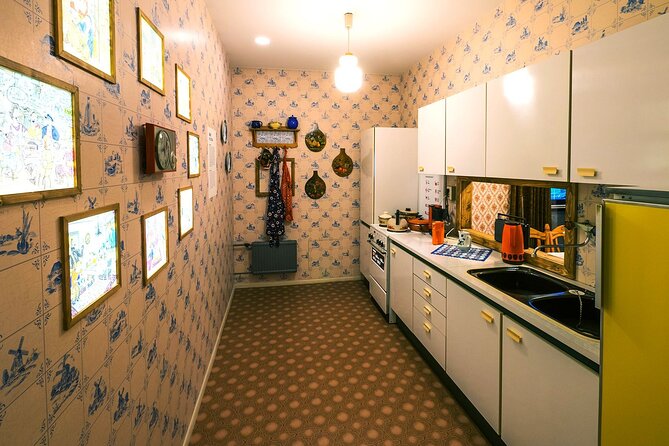
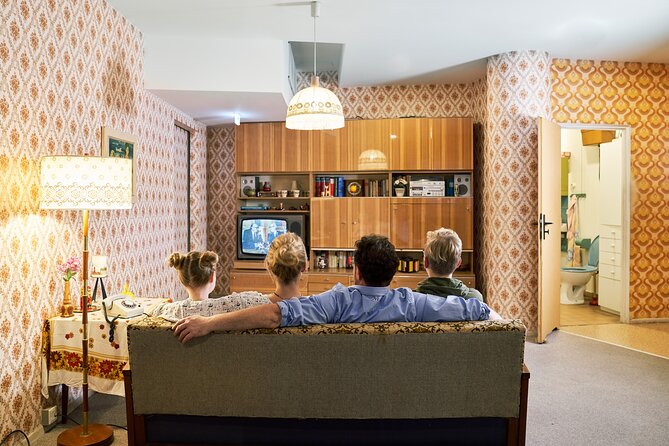
- A recreated East German home puts kitchens, appliances, furniture, and television in everyday context.
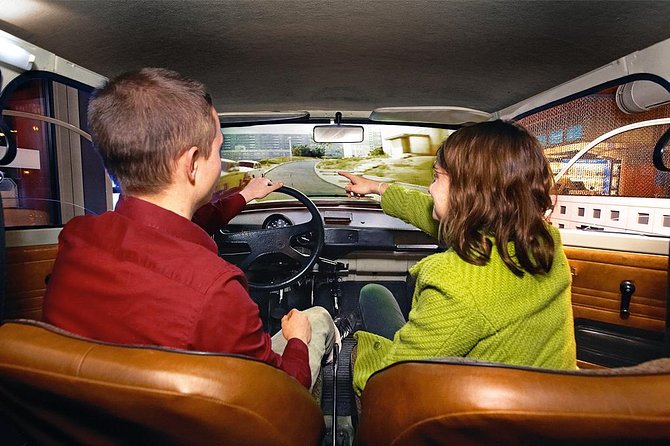
- The Trabant display lets you sit inside the iconic car and view scenes from East Berlin.
- Hands-on exhibits cover subjects such as elections, housing, and the Stasi.
- English information is available throughout the displays, alongside objects, video, and text.
- Allow one to two hours, though close readers may want longer.
- Crowds and heat can affect the visit, especially when the small exhibition spaces fill up.
A compact museum with a daily-life focus
The DDR Museum offers a useful counterpoint to Berlin’s large-scale memorials and political landmarks. Its subject is the German Democratic Republic, or GDR, the socialist state that existed in eastern Germany from 1949 to 1989. Here, the emphasis is not only on governments and borders, but on ordinary routines shaped by the state: living at home, shopping, travelling, voting, and watching television.
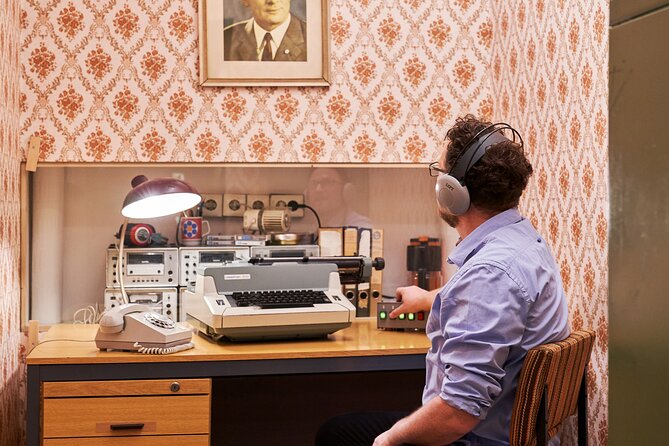
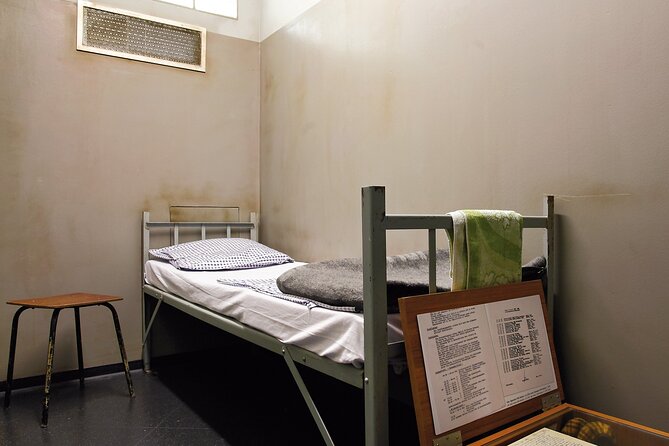
That focus is the museum’s strength. A cupboard, kitchen appliance, or television can make a political system feel less abstract than a timeline alone. You can see how official messaging entered domestic life and how limited living space and access to goods affected daily routines. The displays also address the Socialist Union Party and state surveillance, including a Stasi interrogation exhibit.
The museum is not large. Some people find that welcome: an hour can give you a clear introduction without taking over your day. Others arrive expecting a sprawling collection and finish sooner than planned. If you read every panel and try each exhibit, plan closer to two hours. The experience rewards a patient visit, but the small footprint means crowds are noticeable.
Start with the rooms behind the Iron Curtain
The visit begins with the premise that you are entering the world of a Berliner in the GDR between 1949 and 1989. The exhibition uses reconstructed spaces and interactive displays to present the period through ordinary objects and personal routines. English text appears throughout, which makes the exhibits accessible even if you do not read German.
The recreated East German living room is one of the most effective sections. You can look inside a Carat living room cupboard, see period household appliances, and watch programming on an East German television. These details are more than nostalgic decor. Together, they show how home life, consumer goods, and government messaging existed side by side.
A recreated kitchen and other domestic displays help make the practical limits of life in the GDR easier to picture. One apartment display shows how families could live in small spaces assigned by the government. That detail gives the rooms a serious edge: the objects may look familiar or quaint, but the conditions they represent were shaped by a system with considerable control over housing and daily choices.
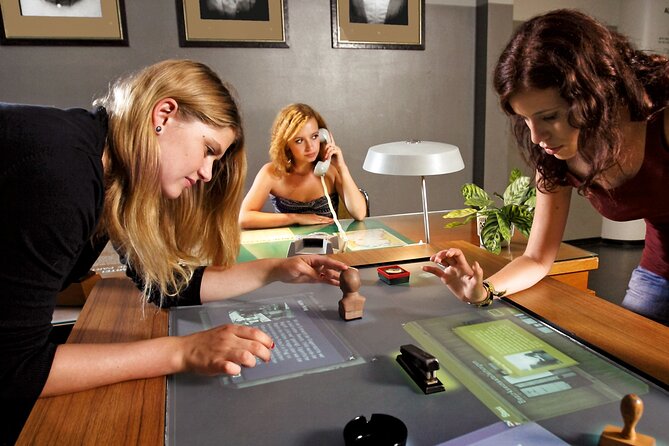
There is plenty to read. That is helpful if you want context, but it can slow a family visit, especially when children expect every interactive feature to be a game. Some features involve opening a drawer to find information, rather than a large, active simulation. I’d set expectations accordingly: this is a history museum with hands-on elements, not an all-play attraction.
More Cold War tours in Berlin:
- Berlin: Third Reich and Cold War 2 Hour Walking Tour
★ 4.9 · 6,830 reviews - Berlin’s Best: 2 Hour Walking Tour Third Reich and the Cold War
★ 5.0 · 5,486 reviews - Berlin: DDR Museum Tickets
★ 4.3 · 3,443 reviews
Sit inside a Trabant and picture the streets
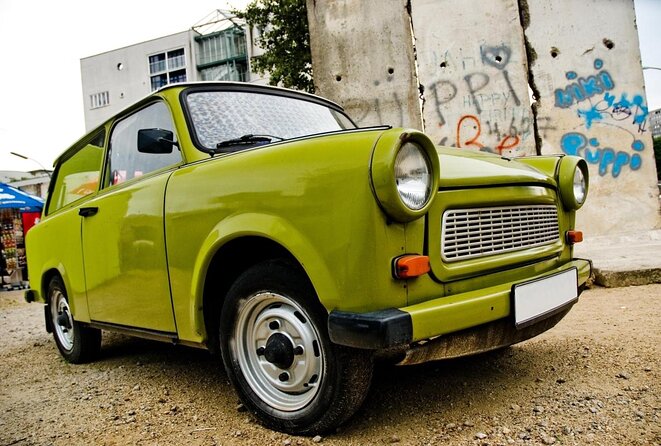
The Trabant, often called the Trabi, was a standard car in the Eastern Bloc and one of the museum’s most popular exhibits. You can climb inside and look around the vehicle while films show everyday scenes. A virtual tour of a GDR housing estate adds a view beyond the car itself, linking transportation to the planned residential areas where many people lived.
The appeal is easy to understand. A car is a familiar object, but sitting in one gives you a more direct sense of the material world of East Germany than a photograph can. The film and housing-estate tour also help connect the vehicle to a larger picture of city life.
This section can become a bottleneck when the museum is busy. The Trabant is a hands-on attraction, and people tend to spend time trying it out. If you arrive during a rush, you may have to wait or move on and return later. Keep your pace flexible rather than assuming you can use every interactive display as soon as you reach it.
Elections, the Stasi, and a sober exit
The exhibits move beyond domestic life into politics and surveillance. You can interact with a display about voting in a GDR election and encounter material on the Socialist Union Party. A Stasi interrogation experience brings state surveillance into sharper focus, while the museum’s wider displays help explain the ways political power could shape personal life.
The interactive format can make difficult subjects easier to approach, particularly for younger visitors. It also needs a little care. A museum about repression and state control can feel at odds with a family-friendly, button-pressing atmosphere when the rooms are full of children. If you want time to think through the more serious material, visit when the museum is quieter and take the displays at your own pace.
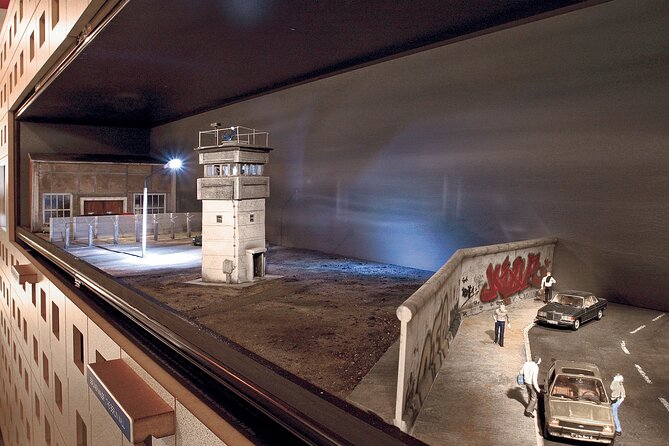
The exhibition ends with a hole in the Berlin Wall. It is a stark way to leave the rooms behind and a reminder that the GDR was not simply a set of household objects and memories. The wall divided a city and restricted movement. That ending gives the visit a clear historical frame, even if the museum’s strongest work is often in its smaller domestic details.
Timing, crowds, and comfort
The museum is at Karl-Liebknecht-Str. 1, opposite Berlin Cathedral and beside the Spree. It is in central Berlin and near public transportation, so it is straightforward to include with other sights in Mitte. You make your own way there; hotel pickup and drop-off are not included.
Opening hours are listed as 9 a.m. to 9 p.m. every day. That long schedule gives you some flexibility, and a later visit may help you avoid the busiest periods. One practical tip: arriving early has also worked well for some visitors, especially those who want time to try the interactive exhibits before the rooms fill. There is no guaranteed quiet hour, so choose a time that fits your plans and be prepared to share the space.
Crowding is the main drawback to plan around. Several exhibits are enclosed or compact, and people may gather around the same display. When the museum is packed, it can be hard to read panels or move freely. The building has also been described as very hot, with no air conditioning, so a crowded visit may feel uncomfortable. If heat or tight spaces bother you, keep the visit flexible and avoid treating the one-to-two-hour estimate as a required stretch.
The admission ticket is mobile, but check the exact ticket format before you set off. Some visitors have had trouble with electronic passes or vouchers that lacked a scannable code, and needed staff help at the entrance. Have your confirmation available and allow a little time to sort out any ticket issue. The ticket is for museum admission only; food, drinks, and transport are separate.
More museum visits in Berlin:
- Berlin: Jewish Museum Berlin Entrance Ticket
★ 4.5 · 8,393 reviews - Berlin: Natural History Museum Entrance Ticket
★ 4.6 · 3,382 reviews - Berlin: Neues Museum Entry Ticket
★ 4.6 · 3,261 reviews - Skip-the-Line: Berlin Wall Museum at Checkpoint Charlie
★ 4.1 · 2,041 reviews
Is $16.26 good value?
At $16.26 per person, this is a reasonable price if you want an accessible introduction to everyday life in East Germany and will take time with the exhibits. The reconstructed home, English information, Trabant, films, and interactive displays offer more than a quick collection of objects behind glass. A focused visit can fit neatly into a central Berlin day.
Value depends on what you expect from a museum. If you want a large institution with room to wander, extensive galleries, and a quiet atmosphere, this small exhibition may feel brief for the price. If you enjoy reading explanatory panels and trying hands-on displays, you may find enough to occupy two hours. Families should weigh the interactive appeal against the amount of reading and the possibility of crowds.
Admission is booked for a chosen date and time slot, and the ticket is offered in English. Most people can take part. Free cancellation is available up to 24 hours before the experience’s start time; changes or cancellations within 24 hours are not accepted, and the time cutoff uses local time.
Who should make time for it?
I’d recommend the DDR Museum to anyone who wants to understand Berlin’s divided past through ordinary life as well as political history. It works particularly well for history buffs, curious adults, and families whose children enjoy pressing buttons, opening displays, and climbing into vehicles. English text throughout makes it a practical choice for international visitors.
It may be less satisfying if you are short on time, dislike reading in museums, or need a calm and spacious environment. The exhibition is compact, and interactive does not always mean action-packed. If you go, arrive with realistic expectations: this is a small, information-rich museum that uses a handful of memorable objects and rooms to bring a complex period closer.
My call: book if daily life in the GDR interests you and you can visit outside the busiest stretch. Give yourself up to two hours, check your mobile ticket before arrival, and leave room in your schedule for the museum to be crowded. If you’re choosing between this and a broader political history museum, decide whether you want a close look at home life and consumer culture or a wider survey.
FAQ
How long should I plan for the DDR Museum?
Plan for about one to two hours. You can move through more quickly, but reading the English text and trying the interactive exhibits takes time.
Where is the DDR Museum?
It is at Karl-Liebknecht-Str. 1 in central Berlin, beside the Spree and opposite Berlin Cathedral. It is near public transportation.
What are the museum’s opening hours?
The listed hours are 9 a.m. to 9 p.m., Monday through Sunday.
Is the museum suitable for children?
Yes. It is presented as a destination for children and adults, with interactive displays and a Trabant car exhibit. Keep in mind that there is also a good deal of reading.
Is information available in English?
Yes. English information appears throughout the exhibits.
What does the admission ticket include?
The ticket includes admission to the DDR Museum. Food, drinks, and hotel pickup and drop-off are not included.
Newest tours in Berlin
- Berlin: guided canoe | kayaktour★ 4.1 · 7 reviews
- Understanding Kreuzberg: The roots of local (sub)culture★ 4.9 · 11 reviews
- Where It All Began: Berlin’s Queer & Trans History Tour★ 4.9 · 6 reviews
- Warnemünde Shore Excursion: Private Sachsenhausen and Berlin Tour★ 5.0 · 12 reviews
- Ultimate E-Bike Tour of Berlin with Beer Garden Stop★ 5.0 · 4 reviews
- Potsdam Highlights – Private sightseeing tour by minibus★ 5.0 · 3 reviews
- Private Potsdam City Tour in an authentic vintage van★ 5.0 · 14 reviews
- Transfer from Berlin Schönefeld Airport (SXF) to Berlin city Hotels – ROUND TRIP★ 4.0 · 3 reviews
Berlin Cold War Tours, compared.

Cold War, Berlin Wall, Spies and the East Side Gallery
Read our review →

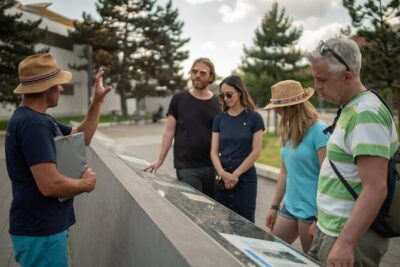
Private Walking Tour: World War 2 and Cold War Sites in Berlin
Read our review →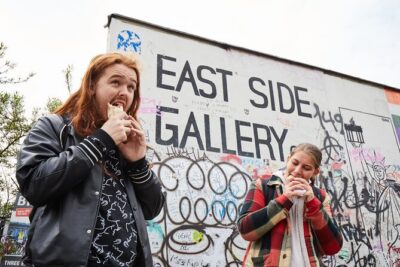
East Berlin Food & History Tour with Eating Europe
Read our review →Browse the lists this tour appears in