
Reviewed · SACHSENHAUSEN MEMORIAL TOURS
Private Sachsenhausen Concentration Camp tour with train
Sachsenhausen is not a sightseeing stop you simply tick off. It is a place of remembrance, and a guided visit can help you understand how the camp worked, who was imprisoned there, and how its history continued after 1945. The train ride also carries you beyond Berlin into Oranienburg, a town tied to the camp and its forced-labor system.
I like two things about this tour in particular: you have a private guide for questions and a pace shaped around your group, and the journey by public transport gives the day a more grounded connection to Berlin and its surroundings. Guides such as Martin, Ioana, Maria, and Nickolai have been praised for explaining difficult history clearly and with care.
The main consideration is the physical and emotional weight of the day. The tour lasts about six hours, involves substantial walking on some uneven surfaces, and does not include food or drinks. If you expect a private car, note that this is a train-based tour, not a chauffeured drive.
Key points to know before you go
- The journey is by train: Hotel pickup and drop-off are included, but the route to Oranienburg uses public transport. Confirm how train fares are handled before departure.
- The group is private: Your guide’s attention is reserved for your party, making it easier to ask questions or adjust the pace.
- Oranienburg adds context: The town’s links to forced labor and nearby factories show how the camp affected life beyond its gates.
- Expect a long walk: Some accounts describe roughly 11,000 to 16,000 steps, including the route between the station and the memorial.
- The history continues after 1945: The site also served as a Soviet special camp for five years after the war.
- Bring water and food: Food and drinks are not included, and amenities can be limited during the day.
The route from Berlin starts with public transport
This experience combines a private guide with a public-transit journey. Your guide meets you at your hotel, then leads your party to the train for Oranienburg. Some tours have also used a bus or taxi for part of the local route, depending on conditions and the group’s needs.
That distinction matters. Hotel pickup and drop-off mean the guide begins and ends the day with you, not that a private vehicle carries you the whole way. One account describes a roughly 20-minute walk from Oranienburg station to the memorial; another used a short taxi ride. The route and transfer method can vary, so ask what is planned for your date.
The train is part of the experience, not just a way to pass the time. Guides have used the ride to explain the camp’s place in Nazi history and set up what you will see. You also get a glimpse of ordinary regional travel, a useful contrast with the subject of the visit.
There is a practical catch: train tickets are not clearly listed among the included items, while some guides have arranged transit passes or tickets for their groups. Confirm before you go so you know what to budget and whether you need to buy anything yourself.
More Sachsenhausen visits in Berlin:
- Berlin: Sachsenhausen Concentration Camp Tour in English
★ 5.0 · 5,711 reviews - Berlin: Sachsenhausen Concentration Camp Memorial Tour
★ 4.7 · 3,716 reviews - Sachsenhausen Concentration Camp Bus Tour in English from Berlin
★ 5.0 · 1,962 reviews
Oranienburg shows the camp’s reach beyond its walls
The first stop is a short walk through Oranienburg, listed at about 25 minutes. The town’s proximity to Sachsenhausen was not incidental. Local factories, including producers of war materials, used prisoners as forced labor, tying the camp’s operation to the regional economy and the Nazi war effort.
This stop helps widen the frame. Sachsenhausen was not isolated from civilian life: the town and its businesses were close to a system built on imprisonment and exploitation. Your guide can explain the links between the town, the camp, and the surrounding industry before you enter the memorial grounds.
Twenty-five minutes is enough for an introduction, not a full tour of Oranienburg. If you are hoping to explore the town at length, this visit is not designed for that. Its value is the context it gives the camp visit that follows.
Sachsenhausen’s design makes the history visible
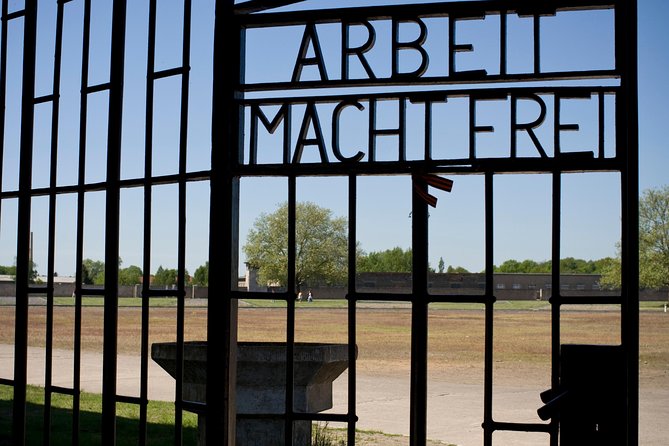
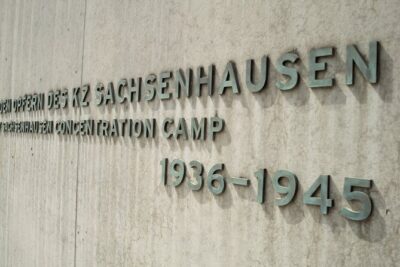
Sachsenhausen was built in 1936, during the year Berlin hosted the Olympic Games. Prisoners were forced to build the camp, which was intended to hold the Nazi regime’s political enemies. Over the following decade, some 200,000 people were imprisoned there.
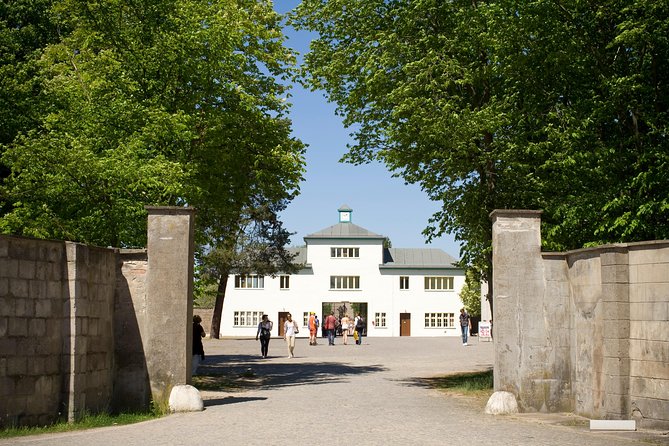
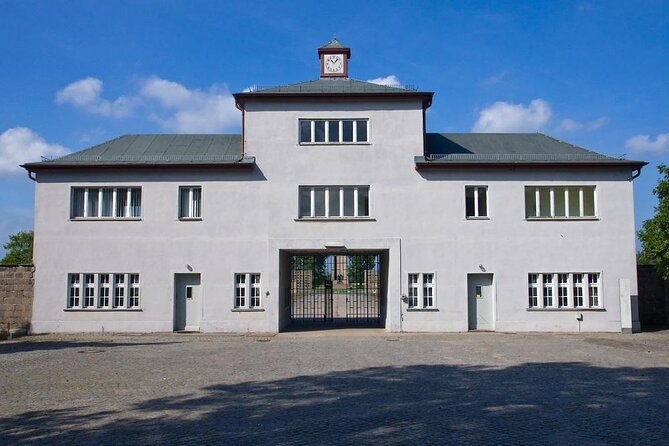
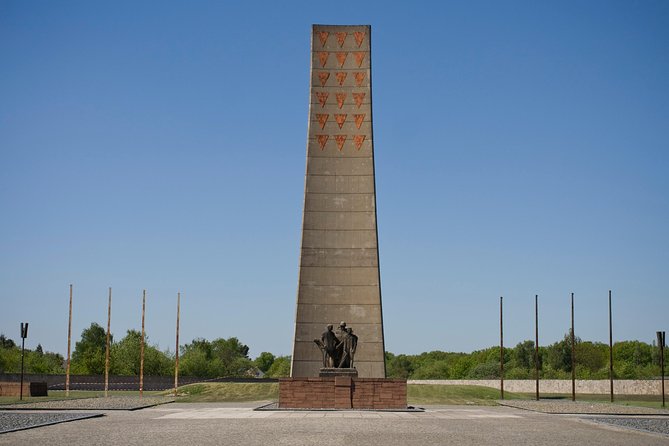
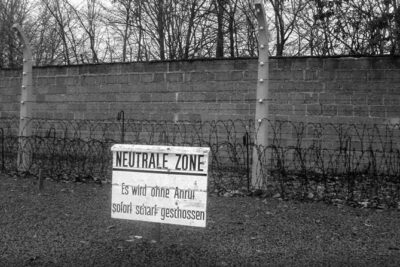
The layout itself tells part of the story. The triangular design focused attention on Tower A, the main entrance and a point from which guards could oversee the camp. At the far end, Station Z was associated with killing. Seeing these places on the ground gives the camp’s machinery a physical scale that a book or museum display cannot fully convey.
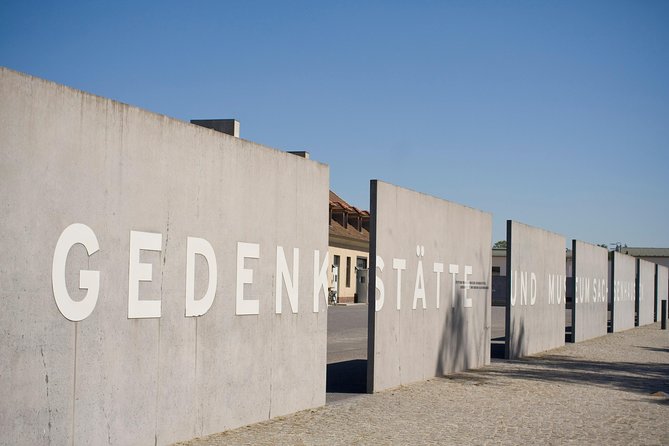
The guided visit includes a 90-minute block at the Sachsenhausen Memorial and Museum, followed by another 90 minutes for a guided walk around the former camp grounds. The schedule gives substantial time to the site, though the full day also includes travel and the Oranienburg stop. You should not expect to cover every exhibit or every part of the grounds at a leisurely pace.
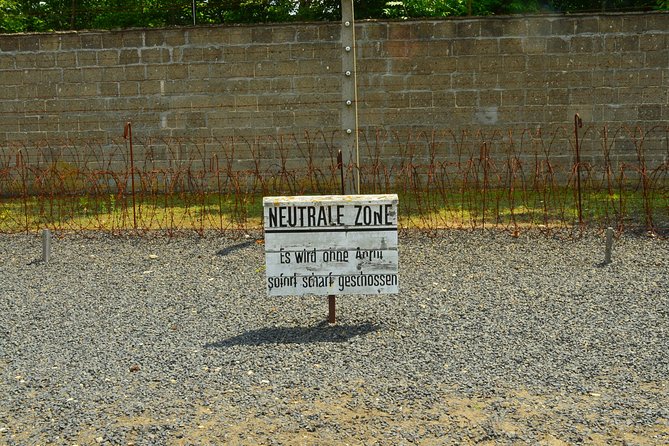
Your guide can explain how prisoners were treated, the role of SS guards, the daily routine, and the forced labor system. Accounts of crowded barracks, roll call, and the reduction of people to their capacity for work make clear that this was not only a place of confinement. It was a system designed to strip people of dignity and control.
The experience is sobering by nature. A good guide can make room for questions and give you time to take in what you have seen, rather than filling every quiet moment with narration. Guides including Klaus, Chloe, Taylor, and Xavier have been singled out for thoughtful pacing and for knowing when to pause.
The postwar chapter belongs in the story
Sachsenhausen’s history did not end with the Nazi camp’s evacuation in 1945. The Soviets used the site for another five years as a special camp, imprisoning about 60,000 people, including war criminals and Nazi collaborators. That second chapter is an important part of understanding the memorial as it exists today.
A visit focused only on the Nazi period would leave out a significant part of the site’s history. The guided format can help you keep the periods distinct while understanding how one location carried different roles under successive regimes. The subject is complicated, and the guide’s explanations are especially useful when the timeline moves from Nazi rule to the Soviet postwar years.
The memorial also preserves the memory of those who suffered there. This is not a theme park or a dramatic reconstruction. It is a place to learn, pay attention, and consider how persecution was made possible. That demands a different kind of visit: less entertainment, more listening and reflection.
More train rides in Berlin:
- Private Day Trip to Potsdam from Berlin by Train
★ 4.5 · 27 reviews - From Berlin to Sachsenhausen Camp: Private Tour by Car or Train
★ 5.0 · 3 reviews
A private guide changes the pace and the conversation
The main advantage of booking privately is not just having a guide to yourself. It is the chance to shape the day around your group’s interests, questions, and stamina. Several guides have been praised for tailoring their explanations, answering questions, and keeping the pace flexible.
Names mentioned by people who have taken the tour include Maria, Martin, Ioana, Nickolai, Paul, Natalie, and Daniel. The specific guide depends on the date, so you should not book expecting a particular person unless the operator confirms it. The consistent draw is a licensed guide trained by the memorial authority, with the ability to connect the site to the wider history of Nazi Germany and Berlin.
A private format can also help when the subject is difficult. You can ask a question without having to speak over a large group, and your guide can give your party a moment when a particular place calls for quiet. One family described a guide finding a more accessible route for a wheelchair user, but the tour is generally not recommended for people with limited mobility or walking impairments. Contact the operator before booking if access is a concern.
Six hours, a lot of steps, and few food options
The advertised duration is about six hours. The listed stops add up to three hours and 25 minutes on site, leaving the rest of the day for travel, walking, and transitions. Do not plan a tight appointment immediately afterward. The return journey and the emotional weight of the visit can make the day feel longer than the clock suggests.
Walking is the main physical challenge. The route may include station-to-camp walking, uneven pavement, and movement across a large memorial site. Some people have counted around 11,000 steps; one long day reached 16,000. Comfortable shoes are essential, and a taxi has been used by some groups to reduce walking between Oranienburg station and the site.
Bring water and something to eat. Food and drinks are not included, and amenities are limited for much of the day. A packed lunch is a sensible choice, particularly if you prefer not to rely on finding food during a scheduled tour.
The subject deserves preparation, too. You do not need to arrive with a specialist knowledge of the Holocaust, but it helps to understand that this is an emotionally demanding memorial visit. If you are traveling with children or anyone who may find the material overwhelming, consider in advance whether a long, detailed account of camp life is right for them.
Is $338.15 per person good value?
At $338.15 per person, this is a significant purchase. The price makes most sense if you value hotel pickup and drop-off, a guide dedicated to your party, and a structured explanation of a difficult site. A private tour gives you more room to ask questions and can spare you the work of piecing together the history on your own.
It is less compelling if your main priority is the cheapest way to reach Sachsenhausen, or if you expect private-car transport. The tour uses trains, and depending on the arrangements, you may need to account for transit fares separately. A group tour or independent visit may cost less, though you would give up the same level of personal attention.
The experience is rated 4.9 out of 5, with 99% of participants recommending it, based on 205 ratings. Those figures suggest a consistently strong experience, but they do not erase the central trade-off: you are paying for a private guide and a thoughtful, guided day, not luxury transport or a light excursion.
The tour is commonly booked about 41 days ahead, so leave time if you want a particular date or departure time. A range of departure times is offered, and free cancellation is available up to 24 hours before the start.
Should you book this Sachsenhausen tour?
Book it if you want a private guide to place Sachsenhausen in context, explain both its Nazi and Soviet-era history, and give your group room to ask questions. It is particularly suited to people who value a carefully guided memorial visit over a quick, independent walk through the grounds.
Think twice if long walks are difficult, if you need a vehicle rather than public transport, or if you want a short and easy outing. Before paying, confirm how transit fares are handled and whether a taxi or bus can reduce the walk from Oranienburg station. Pack water, food, and comfortable shoes, and leave space in your day afterward. This is a serious visit, but with the right expectations, the private format can make a hard subject clearer and more personal.
FAQ
How long is the tour?
The tour lasts about six hours, including travel between Berlin, Oranienburg, and Sachsenhausen.
Is the tour private?
Yes. Only your group participates, so the guide’s attention is focused on your party.
Is transport by car?
No. The tour is train-based and uses public transport. Hotel pickup and drop-off are included, but this does not mean the trip is made in a private car.
Are food and drinks included?
No. Food and drinks are not included, and amenities can be limited during the day. Bringing water and food is a practical plan.
How much walking should I expect?
Expect substantial walking. Some accounts describe about 11,000 to 16,000 steps, and parts of the route may have uneven pavement.
Is the tour suitable for people with limited mobility?
It is not recommended for people with limited mobility or walking impairments. Contact the operator before booking to discuss your specific needs.
Newest tours in Berlin
- Berlin: guided canoe | kayaktour★ 4.1 · 7 reviews
- Where It All Began: Berlin’s Queer & Trans History Tour★ 4.9 · 6 reviews
- Understanding Kreuzberg: The roots of local (sub)culture★ 4.9 · 11 reviews
- Warnemünde Shore Excursion: Private Sachsenhausen and Berlin Tour★ 5.0 · 12 reviews
- Ultimate E-Bike Tour of Berlin with Beer Garden Stop★ 5.0 · 4 reviews
- Potsdam Highlights – Private sightseeing tour by minibus★ 5.0 · 3 reviews
- Private Potsdam City Tour in an authentic vintage van★ 5.0 · 14 reviews
- Transfer from Berlin Schönefeld Airport (SXF) to Berlin city Hotels – ROUND TRIP★ 4.0 · 3 reviews
Sachsenhausen Memorial Tours, compared.
Sachsenhausen Concentration Camp Tour in English
Read our review →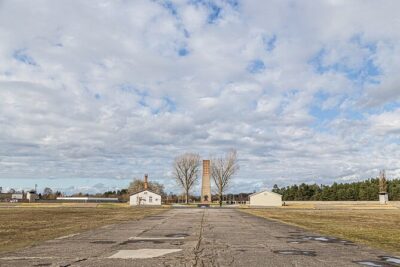
Sachsenhausen Concentration Camp Memorial Tour
Read our review →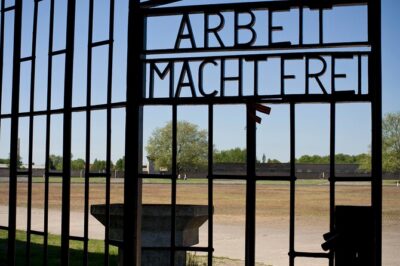
Sachsenhausen Concentration Camp Bus Tour in English from Berlin
Read our review →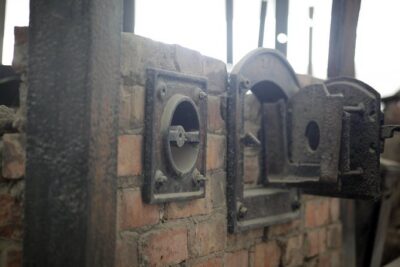
Sachsenhausen Concentration Camp Memorial Tour (Max. 15 Guests)
Read our review →
Sachsenhausen Concentration Camp and Potsdam Tour
Read our review →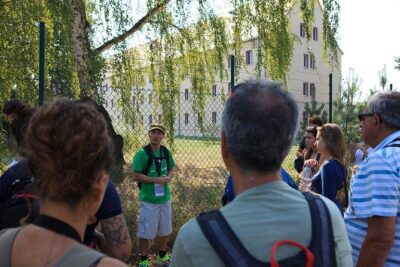
Visita en español al campo de concentración Sachsenhausen
Read our review →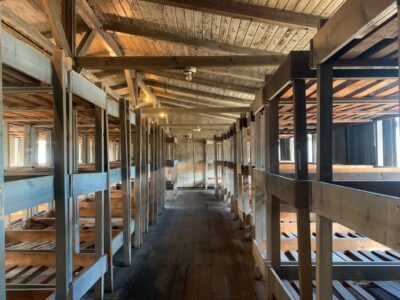
Browse the lists this tour appears in