
Reviewed · SACHSENHAUSEN MEMORIAL TOURS
Berlin: Sachsenhausen Memorial 6-Hour Tour in Spanish
Station Z is one of Sachsenhausen’s most sobering sites: built in 1942, it was designed to kill prisoners quickly. This six-hour visit brings you to the former camp north of Berlin, where the history of Nazi imprisonment and later Soviet internment is preserved as a memorial.
I like two things about this tour: the Spanish-speaking guide can explain the camp’s history in your own language, and the visit connects individual stories and documents with places such as the roll-call area and Station Z. You also see a memorial that speaks to two very different periods of political imprisonment.
One practical consideration: the trip takes about six hours, and you need to buy a Berlin ABC transport ticket separately. Sachsenhausen has no shop, so bring water and something to eat, especially if the weather is cold or the day feels long.
- Station Z was built in 1942 as a facility for killing prisoners.
- The A Tower marked the roll-call area, a place tied to the camp’s daily routine.
- Sachsenhausen served the Nazi camp system as an administrative center and was intended as a model camp.
- The memorial also covers the Soviet era, when the site was used to hold Soviet prisoners after Hitler’s defeat.
- The meeting point is easy to identify: look for the green flag beside Alexanderplatz TV Tower and Espresso House.
- Bring snacks and drinks: there is no shop at the memorial site.
From Alexanderplatz to Sachsenhausen
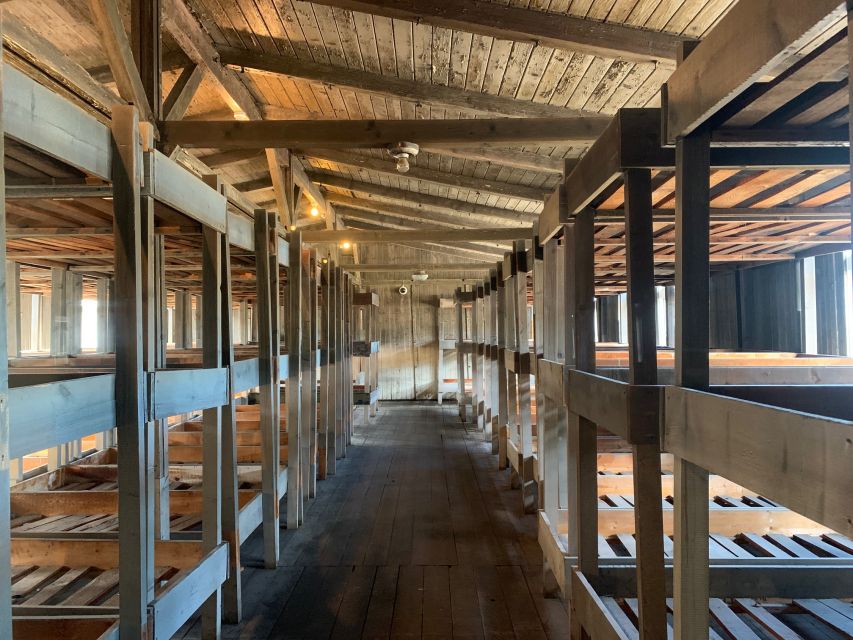
The tour begins beside the Fernsehturm, Berlin’s television tower, at Alexanderplatz. Look for a green flag marked tours en español, near the tower’s only entrance and beside Espresso House. The meeting point is between the tower and Alexanderplatz train station, so allow a little time to find the group in the busy square.
From there, you travel by train toward the northern outskirts of Berlin. The ride takes about 50 minutes. A ticket covering public transport zones ABC is required, and it is not included in the $41 tour price. Check that your ticket covers the whole journey before you board.
The train ride matters to the experience. Sachsenhausen is close enough to Berlin for a half-day visit, but the change from city center to memorial site gives you time to shift your attention. This is not a light excursion or a quick photo stop. It is a visit to a place where the purpose is to learn, remember, and reflect.
The full tour lasts six hours, including the journey and time at the memorial. The exact starting time depends on availability, so check the options when booking. You can reserve without paying immediately and cancel up to 24 hours in advance for a full refund.
A model camp with a brutal purpose
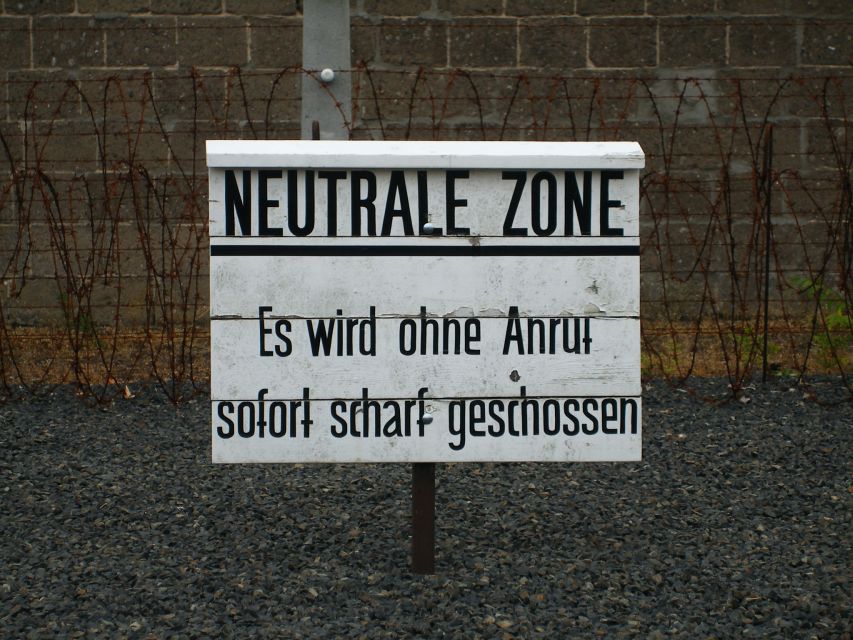
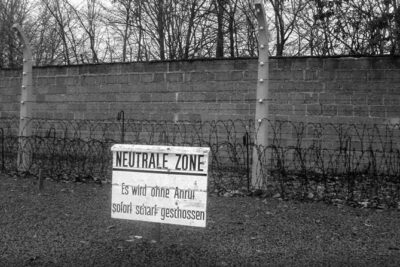
Sachsenhausen was built near Berlin and intended as a model concentration camp. It also became the administrative center for the Nazi concentration camp system. That role helps explain why the site is important beyond its own history: the camp was part of a larger network of imprisonment and killing.
More than 200,000 people passed through Sachsenhausen, and at least 50,000 died. Those figures are difficult to take in as statistics alone. A guided visit can help connect them to the camp’s physical spaces and to the personal accounts, photographs, and official documents that explain how the system worked.
The tour covers the camp’s origins, the conditions prisoners faced, and the work they were forced to do. It also considers the legal and administrative machinery behind the camp. One Spanish-language visitor praised this aspect in particular: understanding how the camp operated from a legal point of view gave the history greater clarity. That context is valuable because it shows how organized persecution was made to function, not only what happened to people inside the camp.
You should expect frank discussion. The subject is violent, and the sites are not easy to visit. The guide’s role is to explain the facts and give you a way to understand what you are seeing, not to soften the history.
More Sachsenhausen visits in Berlin:
- Berlin: Sachsenhausen Concentration Camp Tour in English
★ 5.0 · 5,711 reviews - Berlin: Sachsenhausen Concentration Camp Memorial Tour
★ 4.7 · 3,716 reviews - Sachsenhausen Concentration Camp Bus Tour in English from Berlin
★ 5.0 · 1,962 reviews
The A Tower and the camp’s daily routine
The A Tower is the roll-call area. It is one of the key locations included on the visit, and its importance lies in how it connects the camp’s daily routine to the prisoners’ experience. Roll call was not an abstract administrative task. It was part of the structure of control that shaped life in the camp.
A guided explanation helps make a physical place legible. Without context, a visitor can see a site and know it was significant without understanding why. Here, the guide can connect the roll-call area to the broader story of camp life, forced work, and the system that governed prisoners.
The tour also draws on survivor accounts, photographs, and official records. These materials give you several ways to approach the history: personal testimony, visual evidence, and documents created by institutions. That mix can be more useful than relying on dates and figures alone, though the amount of detail may feel intense over a long visit.
Take your time as you move through the site. It is a memorial, not a place to rush through for a checklist. A six-hour tour gives room for explanation, but you may still want quiet time afterward to process what you have seen.
Station Z and the mechanics of killing
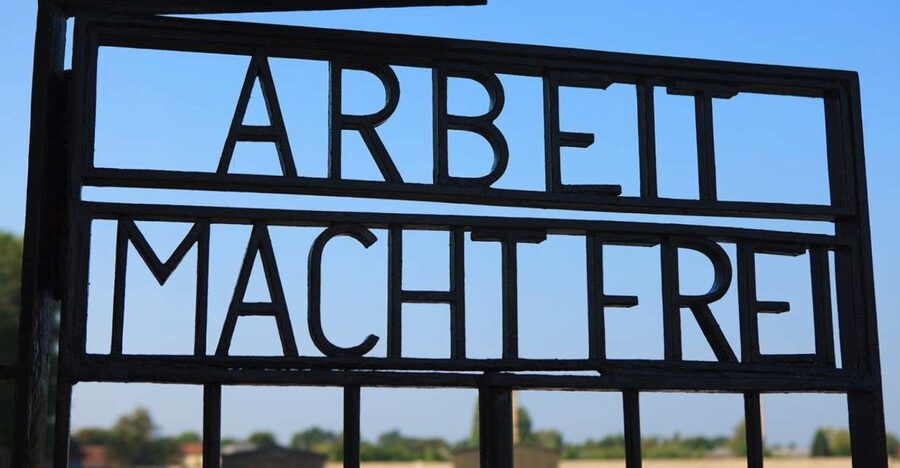
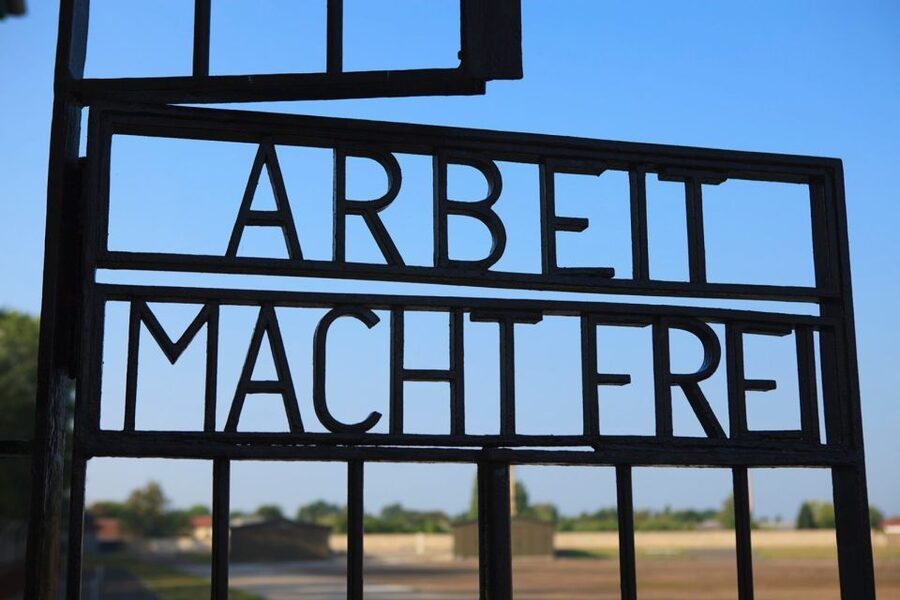
Station Z is the site many people find hardest to face. Added in 1942, it was designed to kill victims quickly and clinically. The purpose of the facility makes this stop particularly stark: it shows the planned, institutional nature of murder rather than leaving the subject at the level of general history.
A guide can explain what the site was for and place it within the camp’s larger system. That context is important, but it does not make the visit easy. If you are sensitive to descriptions of violence, prepare yourself for direct information and take a moment away from the group if you need one.
The tour’s tone is meant to be candid. Spanish-speaking guides praised by name in recent feedback include Hector and Helena, both described as direct and clear in their explanations. Your guide may be someone else, so treat those names as examples rather than a promise. The most important point is that the tour is conducted in Spanish, which can make difficult historical detail easier to follow and discuss.
One visitor described a winter visit in severe cold and wind. Weather is worth taking seriously here: the day includes time outdoors, and Sachsenhausen has no shop where you can buy a drink or snack. Dress for the forecast and bring what you need.
The museum, exhibits, and memorial
Sachsenhausen includes a museum and exhibits that add detail to the outdoor sites. The displays help explain the camp’s origins and operation, while the wider memorial preserves the physical setting for educational purposes and remembrance. Together, the exhibits and buildings give you a fuller picture than either could alone.
The memorial is also a place to remember those killed there. That purpose changes how you approach the visit. You are not simply touring a historical site; you are entering a place maintained for education and remembrance. Listen closely, give the subject room, and be mindful of other people who may be visiting for personal reasons.
There is also a GDR memorial included among the highlights. The site’s history does not end with the Nazi camp. After Hitler’s defeat, the Soviets used Sachsenhausen as a camp for their own prisoners. The memorial’s treatment of both periods is an important part of the visit, though the two eras should not be collapsed into one story. They involved distinct governments and histories, and the tour’s value lies partly in helping you understand the site’s changing use.
If you are interested in twentieth-century German history, this wider view is especially useful. It makes clear that Sachsenhausen’s legacy includes both Nazi persecution and later Soviet imprisonment. The memorial asks you to look at the whole history of the site, not only its best-known chapter.
Same city, a different kind of day:
- Berlin: Reichstag, Dome and Government District Guided Tour
★ 4.7 · 18,288 reviews - Berlin: 1-Hour City Tour by Boat with Guaranteed Seating
★ 4.3 · 16,993 reviews - Berlin: Boat Tour Along the River Spree
★ 4.4 · 11,252 reviews - Discover Berlin Half-Day Walking Tour
★ 5.0 · 9,624 reviews
Is $41 good value?
At $41 per person, the price is reasonable for a six-hour guided visit in Spanish, especially if you want clear explanation at a place where context matters. The tour includes a full guided visit and the €3 Concentration Camp Foundation surcharge. The public transport ticket is extra, so include that cost when comparing options.
You are paying for more than the train journey and entry to a memorial. The main value is having someone explain the places, documents, and historical sequence in Spanish. Sachsenhausen is a substantial site, and the guide can help you understand how a model camp, an administrative center, a killing facility, and a Soviet detention site fit into its history.
The tour is a good choice if you want structure and interpretation rather than visiting on your own. If you already know the site well or prefer to read quietly at your own pace, a guided group may feel less flexible. The schedule is six hours, and the subject matter makes this a demanding half-day, even though the travel from Berlin is straightforward.
Who should choose this visit?
I would recommend this tour to Spanish-speaking visitors who want a serious, guided introduction to Sachsenhausen and its place in Nazi Germany and Soviet history. It is particularly suited to people who value survivor accounts and documentary evidence, and who want help understanding the camp’s administration as well as the sites themselves.
It may not suit you if you want a casual outing or a light break from Berlin sightseeing. The content is grim, the visit takes much of the day, and conditions outdoors can be uncomfortable in poor weather. Families should consider whether younger members are ready for direct discussion of imprisonment and killing; the supplied information does not specify an age recommendation.
Plan a quiet evening afterward if you can. There is no need to rush from this memorial straight into another demanding activity. A snack and water in your bag, a weather-appropriate layer, and a little time to reflect will make the day more manageable.
Should you book?
Book this tour if you want to understand Sachsenhausen with a Spanish-speaking guide and prefer a structured visit to reading your way through the memorial alone. The strongest reasons are the Spanish-language interpretation, the focus on key sites such as the A Tower and Station Z, and the inclusion of the camp’s later Soviet history.
Consider another plan if you need a shorter outing, want to avoid difficult material, or value complete flexibility over guided context. If you do book, sort out your ABC ticket, bring food and water, and dress for time outdoors. At $41 plus transport, this is a sound value for a focused, educational day at one of Germany’s most consequential memorial sites.
FAQ
How long is the tour?
The tour lasts six hours, including travel from Berlin and the visit to Sachsenhausen.
Where is the meeting point?
Meet beside the Alexanderplatz TV Tower, near its only entrance and Espresso House. Look for a green flag marked tours en español.
What language is the tour in?
The live guide speaks Spanish.
Is public transport included?
No. You need a public transport ticket covering zones ABC, and it is not included in the tour price.
Is there somewhere to buy food or drinks at Sachsenhausen?
No. There is no shop at the memorial, so bring snacks and drinks.
What does the tour include?
It includes a full guided tour of Sachsenhausen in Spanish and the €3 Concentration Camp Foundation surcharge.
Can I cancel the booking?
Yes. You can cancel up to 24 hours in advance for a full refund.
Newest tours in Berlin
- Berlin: guided canoe | kayaktour★ 4.1 · 7 reviews
- Understanding Kreuzberg: The roots of local (sub)culture★ 4.9 · 11 reviews
- Where It All Began: Berlin’s Queer & Trans History Tour★ 4.9 · 6 reviews
- Warnemünde Shore Excursion: Private Sachsenhausen and Berlin Tour★ 5.0 · 12 reviews
- Ultimate E-Bike Tour of Berlin with Beer Garden Stop★ 5.0 · 4 reviews
- Potsdam Highlights – Private sightseeing tour by minibus★ 5.0 · 3 reviews
- Private Potsdam City Tour in an authentic vintage van★ 5.0 · 14 reviews
- Transfer from Berlin Schönefeld Airport (SXF) to Berlin city Hotels – ROUND TRIP★ 4.0 · 3 reviews
Sachsenhausen Memorial Tours, compared.
Sachsenhausen Concentration Camp Tour in English
Read our review →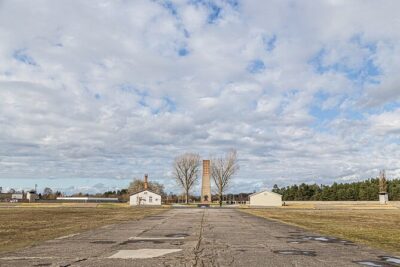
Sachsenhausen Concentration Camp Memorial Tour
Read our review →
Sachsenhausen Concentration Camp Bus Tour in English from Berlin
Read our review →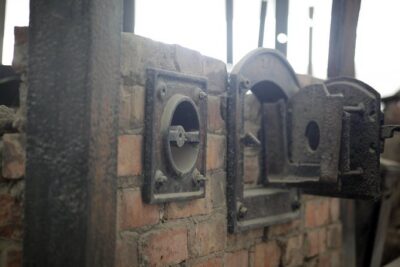
Sachsenhausen Concentration Camp Memorial Tour (Max. 15 Guests)
Read our review →
Sachsenhausen Concentration Camp and Potsdam Tour
Read our review →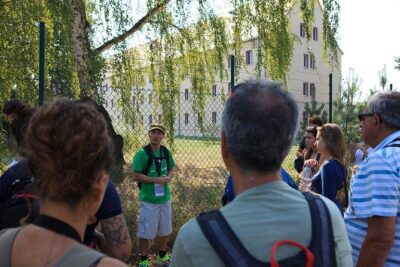
Visita en español al campo de concentración Sachsenhausen
Read our review →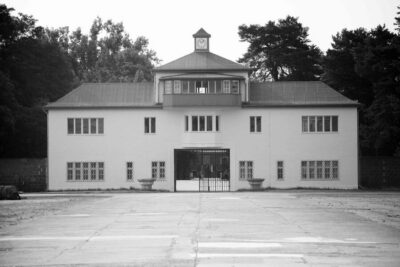
Licensed Sachsenhausen Tour with max. 15 people
Read our review →Browse the lists this tour appears in