
Reviewed · BERLIN WALKING TOURS
Modern Berlin Private Walking Tour: Diverse, Vibrant and Exciting German Capital
Berlin’s recent history is written across its neighborhoods: in the former Wall, restored streets, street art, and the places where old identities meet new ones. This private tour connects Mitte, the East Side Gallery, Prenzlauer Berg, Kreuzberg, and Friedrichshain, giving you a citywide introduction in a few hours.
I like having a private guide, because you can ask questions and adjust the conversation to your interests. I also like the contrast between the Wall’s political history and the everyday life of neighborhoods such as Kreuzberg and Prenzlauer Berg. The main consideration is the price: at $179.84 per person, it costs more than a group walk, and covering several districts means you should be ready for a fairly active outing.
At a glance
- Five different Berlin settings: The route links Mitte, the East Side Gallery, Prenzlauer Berg, Kreuzberg, and Friedrichshain.
- Private means your group only: You won’t be sharing the guide with strangers, and the guide can respond to your interests.
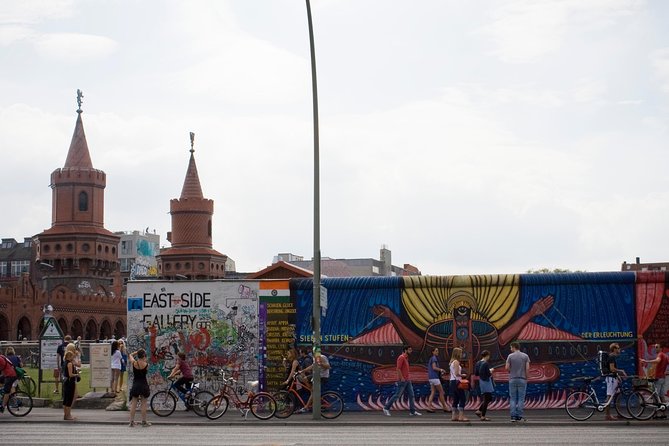
- The Wall is more than a photo stop: At the East Side Gallery, murals turn a surviving stretch of the former border into an open-air record of change.
- Local context is the main value: Guides such as Josh, Maria, Joerg, Stefano, and Juan have led tours, with past outings tailored to what a group had already seen.
- Plan for three to four hours: Hotel pickup is offered, but food and drinks are not included.
- Dress for the forecast: The tour operates in all weather, and the route is on foot.
Berlin in a few hours, with room for questions
This is a useful orientation tour if you want to understand how Berlin changed after reunification without spending the whole day in a museum. It moves among districts with distinct pasts, from Mitte’s former division and later redevelopment to Kreuzberg’s independent, multicultural character.
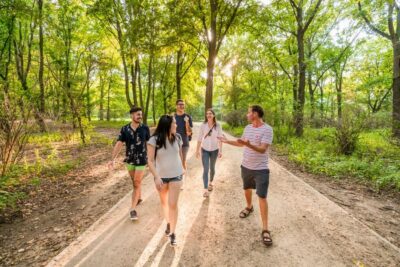
The tour is private and led in English by a local professional guide. That setup matters: a good guide can explain the same street differently for a family with teenagers, a history-minded couple, or someone who has already seen the major landmarks. One family especially appreciated that Josh’s commentary held the attention of their 15-year-old daughters. That is a good sign for families who want history without a lecture that feels aimed only at adults.
The experience lasts about three to four hours. The named stops add up to roughly two hours and 40 minutes, leaving time for walking between areas and the guide’s commentary. The exact route and pace can vary, so tell your guide what matters to you and how much ground you want to cover.
More walking tours in Berlin:
- Discover Berlin Half-Day Walking Tour
★ 5.0 · 9,624 reviews - Berlin: Third Reich and Cold War 2 Hour Walking Tour
★ 4.9 · 6,830 reviews - Berlin: Discover Berlin Walking Tour
★ 4.9 · 5,998 reviews
Mitte: a city’s past and present side by side
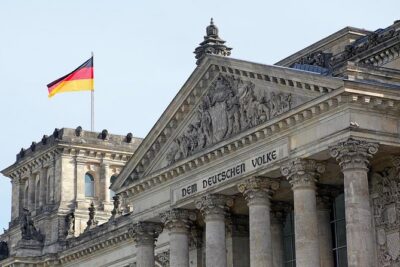
The tour begins with Mitte, the central district that changed profoundly after 1990. The Berlin Wall once made this area a symbol of division. Today, historic landmarks sit alongside galleries, cafes, and shops, and the district reflects the city’s effort to build a shared identity after separation.
You have around 30 minutes here. That is enough for an introduction and a few focused stops, not a full exploration of the district. The value lies in hearing how reunification reshaped the city, and how renewal has also brought questions about gentrification and whose idea of Berlin gets preserved.
Mitte has several famous sights, including the Brandenburg Gate and Museum Island, but this tour’s emphasis is modern Berlin rather than a full tour of every landmark. Don’t assume the short stop includes detailed visits inside major attractions. If one site matters especially to you, mention it when arranging the route.
There can be a quieter reward in looking beyond grand monuments. A past tour with Juan included Mitte courtyards, a detail that helped bring the neighborhood’s less formal side into view. Ask whether similar side streets or courtyards fit your route.
East Side Gallery: the Wall as an open-air artwork
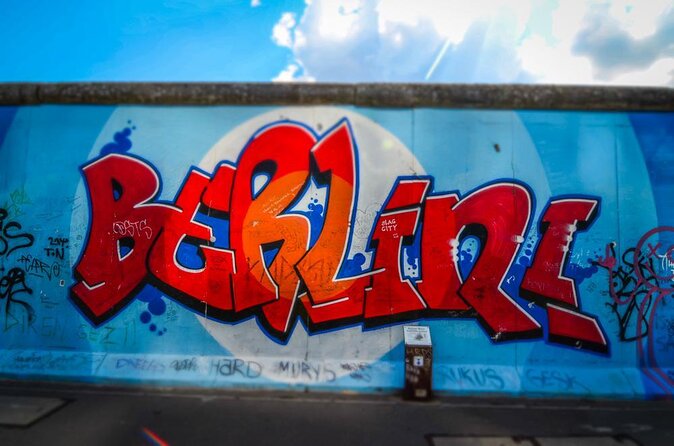
The East Side Gallery preserves a 1.3-kilometer section of the former Berlin Wall and covers it with murals created by artists from around the world in 1990. Its images speak to freedom, peace, and the end of division. Here, the Wall is both a physical remnant and a public canvas.
The planned stop is about 20 minutes. That is a short visit for a long stretch of art, so you will likely focus on selected murals rather than inspect every panel. If you have a particular image in mind, tell your guide. The guide’s context can help you see the site as more than a colorful backdrop for photographs.
The setting gives this tour one of its clearest contrasts. The Wall represents a painful period, while the art records hope and change. A brief stop cannot cover every story attached to the border, but it gives you a strong starting point for understanding why the Wall still matters in modern Berlin.
Prenzlauer Berg: from bohemian streets to sought-after homes
Prenzlauer Berg grew into a center for artists and students before reunification, when its affordability and countercultural character drew people looking for alternatives. Since 1990, restored historic buildings, cafes, restaurants, and boutique shops have changed the neighborhood. Today it is among Berlin’s more sought-after districts.
You have around 40 minutes here, the longest named neighborhood stop. That gives the guide time to explore the area’s shift from a bohemian stronghold to a polished residential district, and to point out traces of its earlier cultural life. The neighborhood’s appeal is not just its restored appearance. It also raises a useful question: what happens to a district’s identity when the people and businesses that shaped it can no longer afford to stay?
The drawback is that a short visit can only sketch the change. You won’t have time to browse every shop or settle into a cafe. Think of this stop as a way to understand the neighborhood, not a substitute for returning on your own.
More private tours in Berlin:
- Berlin: Private Reichstag and Glass Dome Tour
★ 4.8 · 2,226 reviews - Berlin Private Complete History All Day Walking Tour
★ 5.0 · 474 reviews - Private Walking Tour Berlin Third Reich Hitler and World War II
★ 5.0 · 360 reviews - Private Berlin: Iconic Sights and Hidden Gems Walking Tour
★ 5.0 · 292 reviews
Kreuzberg: independent spirit and many influences
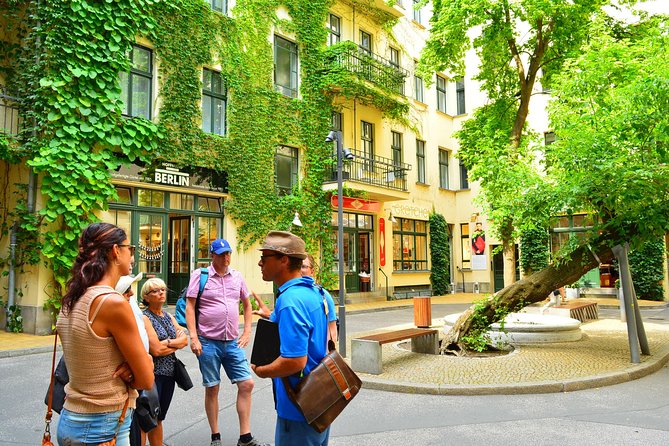
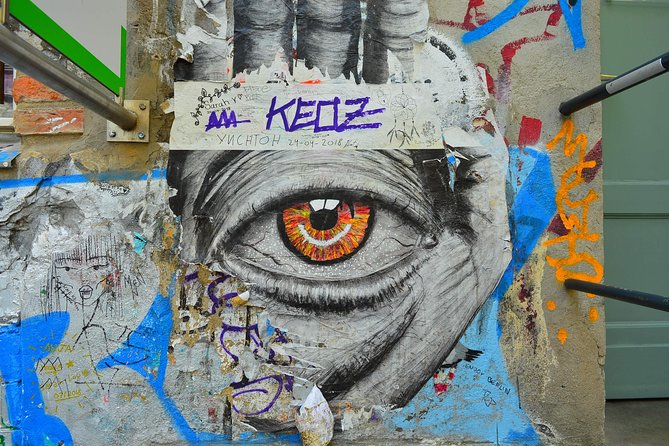
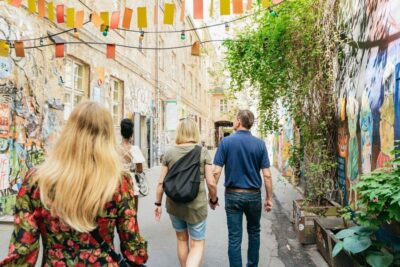
Kreuzberg was once at the edge of West Berlin and became known as a home for immigrants, artists, and activists. It remains one of the city’s most culturally varied districts, with street art, music, international food, and community life shaping its character. Gentrification has brought galleries and cafes into older buildings, but the area’s independent identity is still part of its story.
The scheduled stop is about 35 minutes. That is enough for a guided look at the district’s character, but not a full food or nightlife tour. Food and drinks are not included, so bring your own budget if you want to eat or stop for a drink during or after the walk.
A past route with Juan included Hasir, a restaurant associated in the tour commentary with the history of döner kebab. That detail points to one of the pleasures of a private neighborhood tour: the guide can connect a place to local food and community, rather than treating the district as a set of buildings. Since the route can be tailored, ask in advance if you are especially interested in food, migration, street art, or activism.
Friedrichshain: a stop with a route worth clarifying
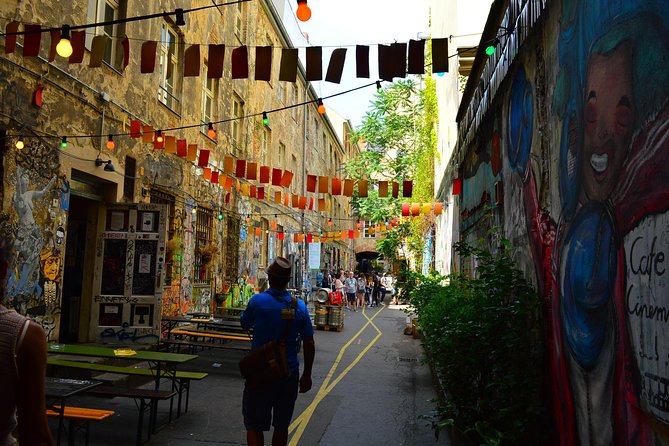
The tour also includes Friedrichshain, with about 35 minutes planned there. The description of this stop focuses largely on Kreuzberg, rather than explaining what you will see in Friedrichshain. That makes this the part of the route to clarify before booking: ask your guide which streets or themes the Friedrichshain portion will cover.
This is a practical question, not a reason to dismiss the tour. Friedrichshain is part of the promised neighborhood coverage, and the private format gives you a chance to shape the discussion. Still, if this district is a priority for you, get a clear idea of the planned stop rather than assuming it will follow a particular route.
The overall selection of neighborhoods is useful for comparing different versions of modern Berlin. But the value depends on how well the guide distinguishes them. A strong conversation should help you see Friedrichshain as more than another stop on a list.
What a private guide adds
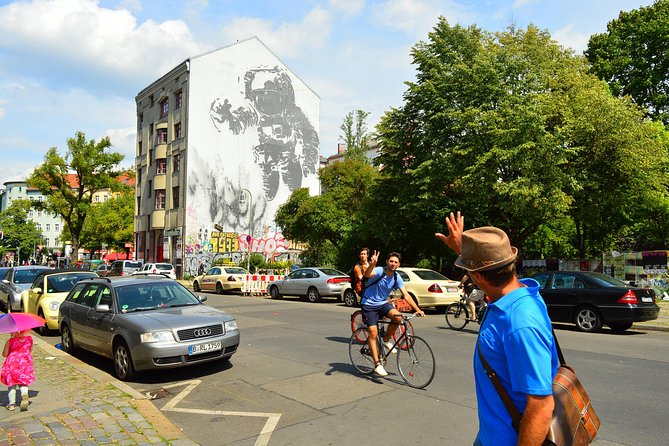
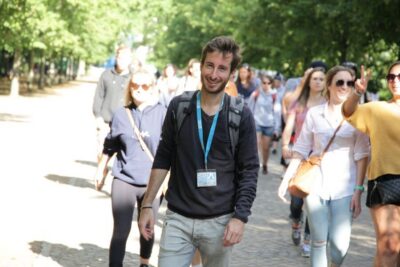
The strongest reason to choose this tour is the guide, not the number of stops. The short visits become more meaningful when someone can connect political change with what you see on the street. Previous guides have included Josh, Maria, Joerg, Stefano, and Juan, and the experience can be shaped around what your group has already done.
For example, Stefano arranged an alternative route for a group that had seen the usual sights the day before. That flexibility is especially useful if you have already visited major landmarks and want more neighborhood context. Joerg was also praised for matching the group’s intellectual interests with its physical needs. Ask about pacing and interests when you book, rather than waiting until the walk is underway.
A private tour also lets you ask questions without feeling that you are holding up a large group. If your family wants a little more explanation at the Wall, or you are curious about how gentrification affects local identity, the guide can spend time there if the schedule allows. The tour is still only three to four hours, so prioritizing a few interests will work better than expecting an exhaustive survey.
Price, timing, and practical details
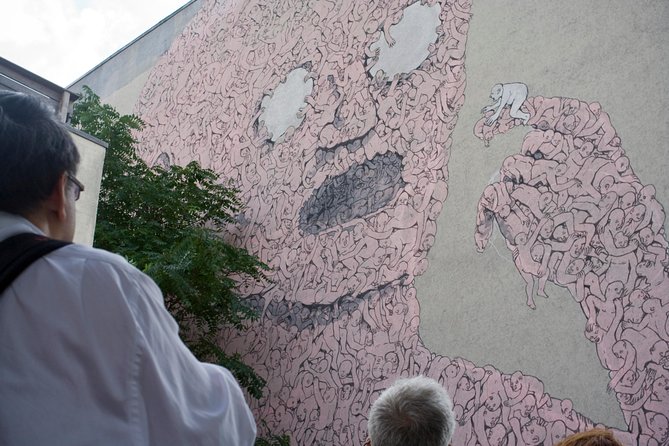
The price is $179.84 per person, with group discounts available. For a solo traveler or a couple, that is a substantial cost compared with joining a shared walking tour. The case for paying more is the private guide, a route across several districts, and the chance to adapt the commentary to your group. If you are traveling with family or friends, compare the total group cost and ask whether a discount applies.
Hotel pickup is included. You can also meet at Reichstagufer 17, 10117 Berlin, and the activity ends back at the meeting point. Pickup can be arranged from your accommodation or at a central location. Since the route covers several neighborhoods, confirm your preferred start plan before the tour.
The experience is offered in English and runs in all weather. Wear clothing suited to the forecast, and expect a walking-focused outing. Most people can participate, and service animals are allowed. Food and drinks are not included, so plan a meal or refreshments separately.
Different departure times are available. The tour is often booked well ahead, around 61 days on average, so reserve early if you need a particular time or date. Confirmation is usually received at booking. If you book within two days of travel, confirmation may take up to 48 hours and depends on availability.
You can cancel for a full refund up to 24 hours before the start time. Changes made less than 24 hours before departure are not accepted, and cancellations inside that window are not refunded. The cutoff follows local time in Berlin.
Who should book this Berlin walk?
I’d choose this tour if you want a compact introduction to Berlin’s post-1990 changes, prefer asking questions as you go, or are traveling with a group that has mixed interests. The route gives you several contrasting districts, and the private format is particularly helpful if you want an alternative to the standard landmark circuit.
It may be less appealing if you want a slow, in-depth visit to each neighborhood, time inside museums, or a food-focused outing. The schedule gives each area a limited window, and the price is harder to justify if you are comfortable joining a shared group walk. Before booking, ask what the Friedrichshain stop will cover and mention any must-see interests.
If you value tailored commentary and a guide who can connect the Wall, neighborhood change, and everyday city life, this is a strong way to get your bearings. If you want more time to linger, choose one or two districts and explore them at your own pace instead.
FAQ
How long does the tour last?
It lasts about three to four hours.
Is the tour private?
Yes. Only your group participates.
Is hotel pickup available?
Yes. Pickup can be arranged from your accommodation, or you can meet at a central location. The listed meeting point is Reichstagufer 17, 10117 Berlin.
What language is the tour offered in?
The tour is offered in English.
Are food and drinks included?
No. Food and drinks are not included.
Can I cancel for a refund?
Yes. You can receive a full refund if you cancel at least 24 hours before the tour’s start time.
Newest tours in Berlin
- Berlin: guided canoe | kayaktour★ 4.1 · 7 reviews
- Understanding Kreuzberg: The roots of local (sub)culture★ 4.9 · 11 reviews
- Where It All Began: Berlin’s Queer & Trans History Tour★ 4.9 · 6 reviews
- Warnemünde Shore Excursion: Private Sachsenhausen and Berlin Tour★ 5.0 · 12 reviews
- Ultimate E-Bike Tour of Berlin with Beer Garden Stop★ 5.0 · 4 reviews
- Potsdam Highlights – Private sightseeing tour by minibus★ 5.0 · 3 reviews
- Private Potsdam City Tour in an authentic vintage van★ 5.0 · 14 reviews
- Transfer from Berlin Schönefeld Airport (SXF) to Berlin city Hotels – ROUND TRIP★ 4.0 · 3 reviews
Berlin Walking Tours, compared.
Third Reich Berlin: Hitler and WWII Walking Tour
Read our review →

Explore Berlin: Walking Tour of All The Iconic Sites
Read our review →Browse the lists this tour appears in