
Reviewed · SACHSENHAUSEN MEMORIAL TOURS
From Berlin: Licensed Sachsenhausen Tour with max. 15 people
Sachsenhausen is not a museum set apart from the history it explains. It is the former camp itself, a broad memorial site where surviving structures, ruins and markers make the Nazi camp system harder to keep at a distance. This tour pairs the visit with the trip from Berlin, so a guide can set the scene before you arrive.
I like two things in particular: the small group of no more than 15 makes it easier to hear the guide and ask questions, and the tour gives you three hours at the memorial, with context on daily life, resistance and the camp’s final days. Guides such as Sarah, Rebecca, Lewis and Ronja are praised for clear explanations and thoughtful handling of a difficult subject.
The main drawback is the length and emotional weight of the day. Expect about five and a half hours, lots of walking and no cafés or shops at the memorial, so bring water, weather-ready clothing and a snack.
Key points to know
- The journey is part of the lesson: Travel by public transport from central Berlin, about 20 miles north to Sachsenhausen.
- You get three guided hours on site: See Tower A, Station Z, the Jewish barracks, the shoe-testing track, prison kitchen and infirmary barracks.
- The group is capped at 15: A useful size for hearing explanations and asking questions without following a large crowd.
- The transport ticket is extra: You need a public transport ticket covering the ABC zones; an ABC day pass is recommended.
- Pack for a long, exposed visit: There are no shops or cafés in or around the memorial, and paths can be muddy after rain.
Leaving Hackescher Markt for Sachsenhausen
The tour starts outside Starbucks, opposite Hackescher Markt S-Bahn station, at Neue Promenade 3. Meet your guide there and travel together by public transport to Oranienburg, the town near the memorial. The journey takes about 50 minutes each way, though transport changes can occasionally make the route less direct.
That shared trip is more useful than it may sound. The guide can introduce the political setting and the camp system before you reach the site, and help you manage the trains and buses. Several guides, including Rebecca and Emma, are praised for keeping the transport leg organized, even when a disruption required a change of plan. You should still allow some flexibility: the tour depends on public transport, not a private coach.
The ticket is not included in the $38 price. You need a public transport ticket for zones A, B and C, and an ABC day pass is recommended. Check that your ticket covers the full journey before boarding. You will also walk about 20 minutes between Oranienburg and the memorial, so the day involves more than standing at exhibits.
More Sachsenhausen visits in Berlin:
- Berlin: Sachsenhausen Concentration Camp Tour in English
★ 5.0 · 5,711 reviews - Berlin: Sachsenhausen Concentration Camp Memorial Tour
★ 4.7 · 3,716 reviews - Sachsenhausen Concentration Camp Bus Tour in English from Berlin
★ 5.0 · 1,962 reviews
Understanding why Sachsenhausen was built
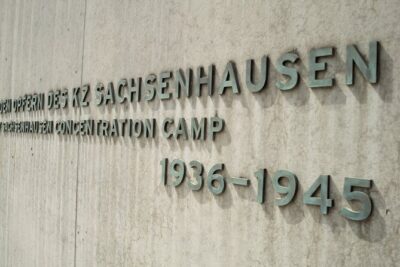
Sachsenhausen was built by the SS in 1936, after Dachau, as a place to detain people who opposed Nazi rule. Its history also matters beyond the story of this one camp: it was part of the system the Nazis developed to imprison, exploit and persecute people.
A licensed guide helps connect the site’s remains to that larger history. Rather than leaving you to make sense of scattered structures on your own, the guide uses witness accounts and historical research to explain how prisoners were treated and how forced labour shaped daily life. The explanations also place the camp in the political world beyond its fences, including how visible the system was to people living in Germany.
The subject calls for care, and that tone is a central part of the visit. Guides such as Georgia, Lewis and Natalie have been praised for balancing seriousness with an approachable manner, making room for questions without turning the day into a lecture. You are not expected to arrive with specialist knowledge. If you already know a great deal about the Second World War, you can still ask focused questions about this camp and its particular history.
Tower A and the camp’s central grounds
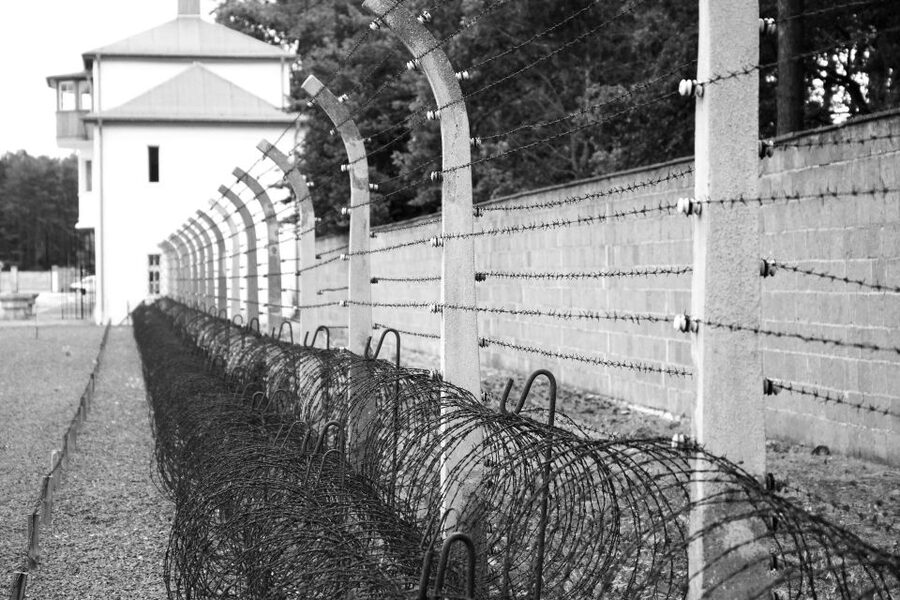
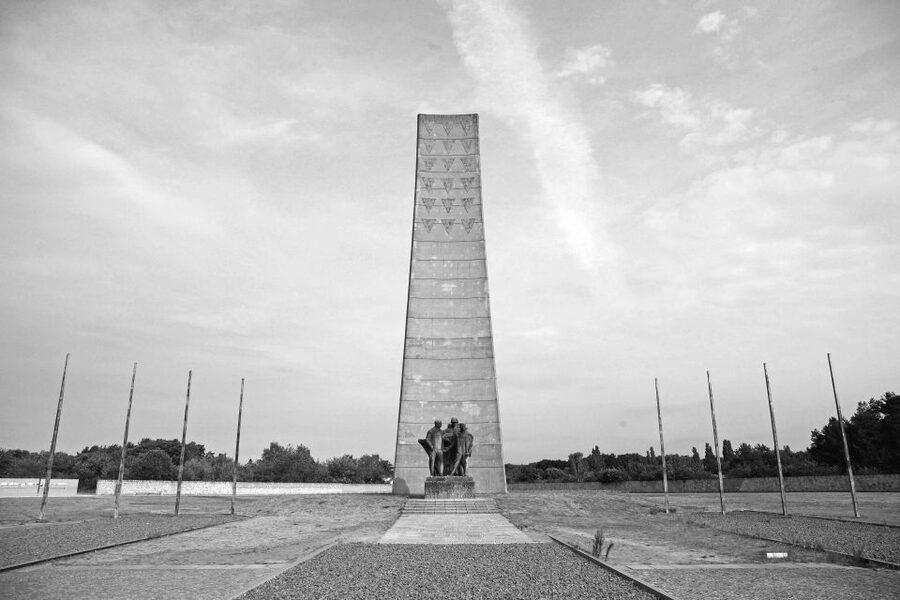
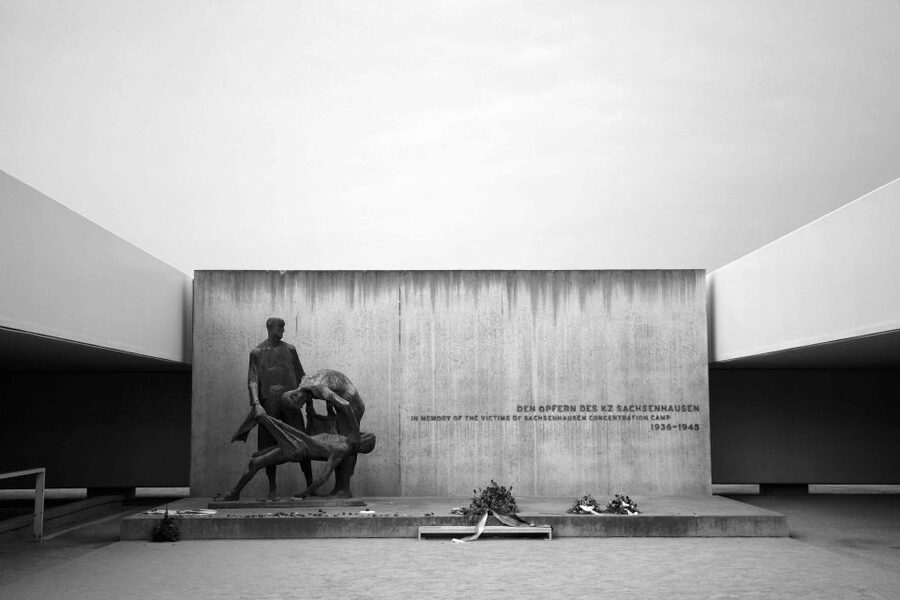
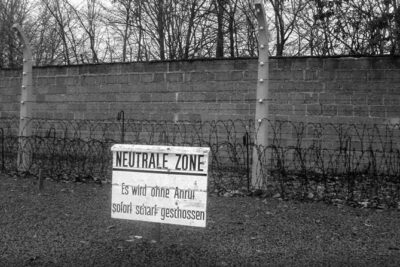
At the memorial, the guided portion lasts about three hours. You begin to understand the scale of the place as you walk through its grounds and see remains of watchtowers and barrack blocks, along with memorials and plaques. The site is large, and the walking between points is part of the visit, not a short stroll from one indoor gallery to the next.
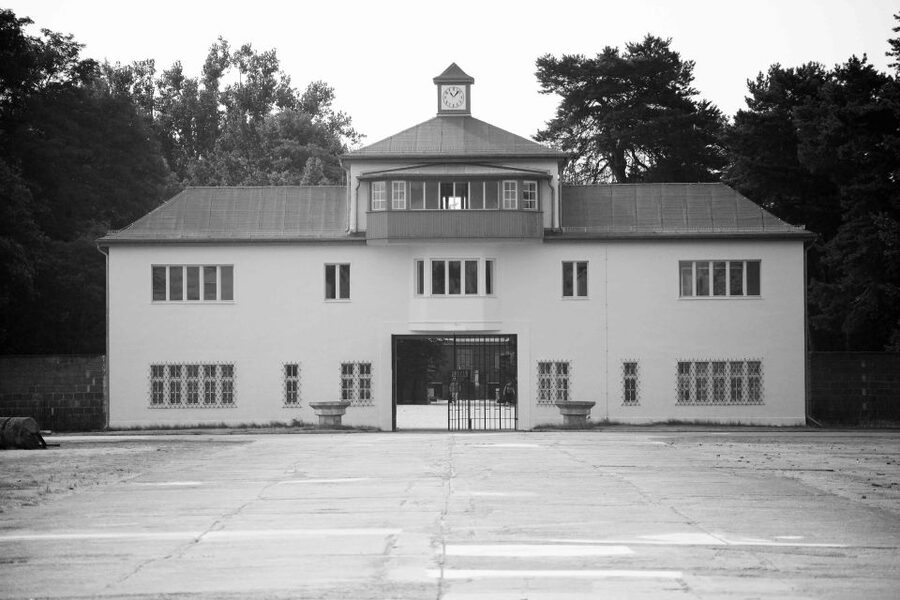
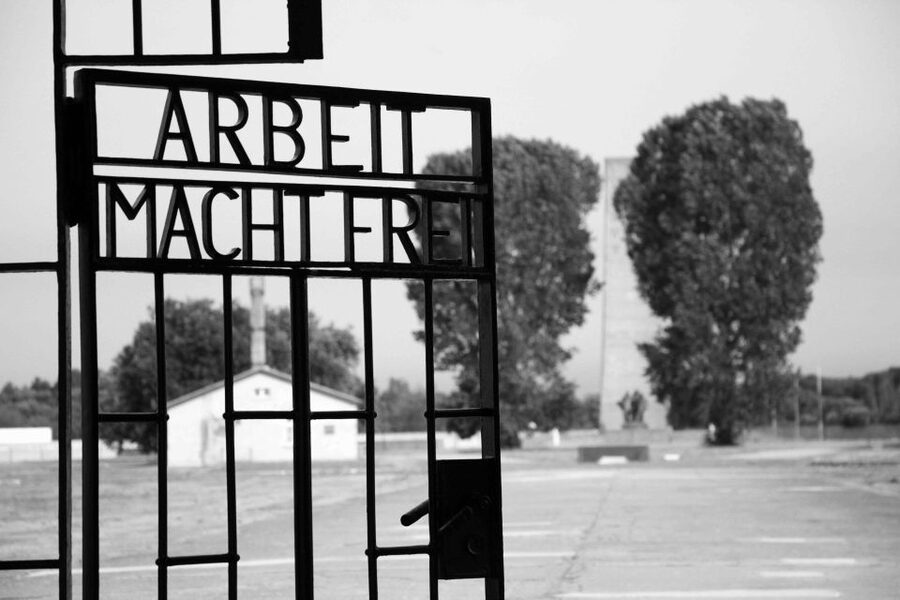
Tower A is the best-known entrance point. The gate carries the infamous slogan Arbeit Macht Frei, commonly rendered as work sets you free. Seeing it in place gives the words a grim force that a photograph cannot quite convey. Your guide can explain the role the camp played and help you read the site without treating its symbols as mere photo stops.
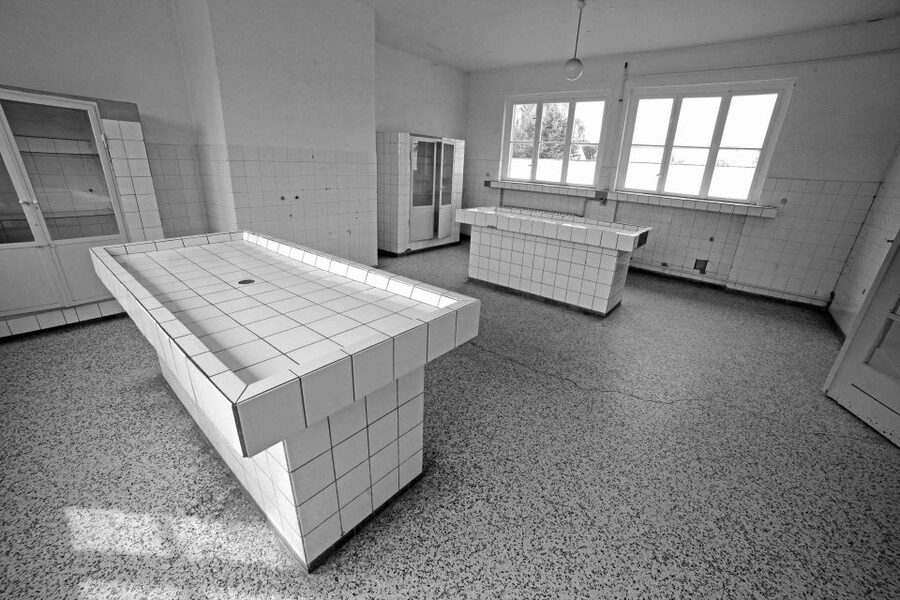
From there, the tour takes in several locations tied to the daily machinery of imprisonment. The Jewish barracks, prison kitchen and infirmary barracks each help explain different parts of camp life. The shoe-testing track points to forced labour: prisoners were made to test shoes by walking for long periods. These places are not intact rooms frozen in time, and the memorial’s remains can feel spare. That is why the guide’s explanations and the historical context matter.
Station Z and the mechanics of violence
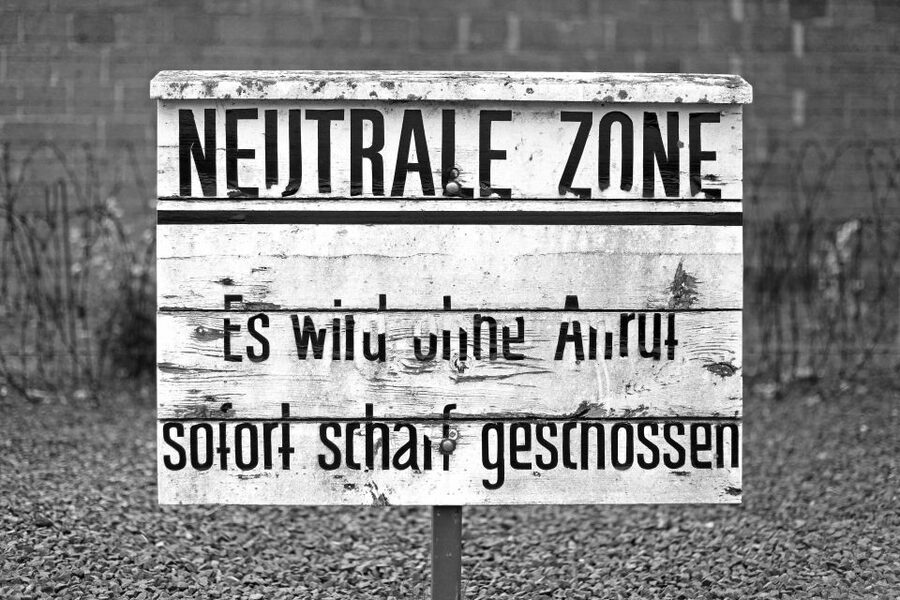
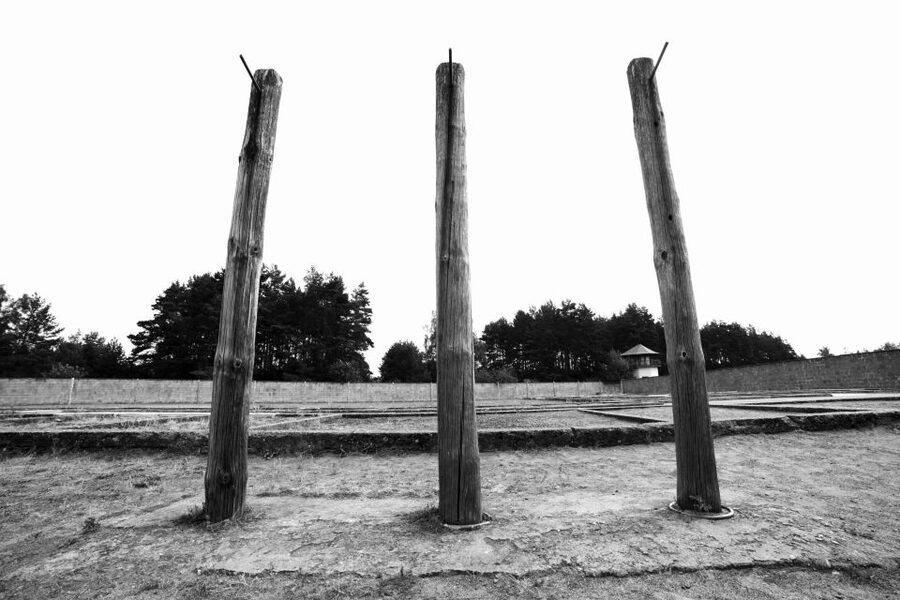
Station Z is the memorial area associated with executions. It is one of the most sobering stops, and it is best approached as a place of remembrance rather than as a dramatic attraction. The tour uses the site to explain the violence prisoners faced and the role execution areas played within the camp.
The three-hour visit has to cover a broad subject, so there is a balance between listening to the guide and taking time to look at displays or read plaques. One practical point: if you tend to study every written panel closely, you may wish there were more time at individual rooms. You can ask your guide what is most important to notice, then use any available pause to explore details that matter to you.
The pace is described as steady, and the group limit can help keep the walk personal. Still, this is not a visit where every person will move at the same speed or want the same amount of detail. If you need a quiet moment, make use of natural pauses and let the guide know if you are having trouble keeping up.
Same city, a different kind of day:
- Berlin: Reichstag, Dome and Government District Guided Tour
★ 4.7 · 18,288 reviews - Berlin: 1-Hour City Tour by Boat with Guaranteed Seating
★ 4.3 · 16,993 reviews - Berlin: Boat Tour Along the River Spree
★ 4.4 · 11,252 reviews - Discover Berlin Half-Day Walking Tour
★ 5.0 · 9,624 reviews
Resistance, escape and the Death March

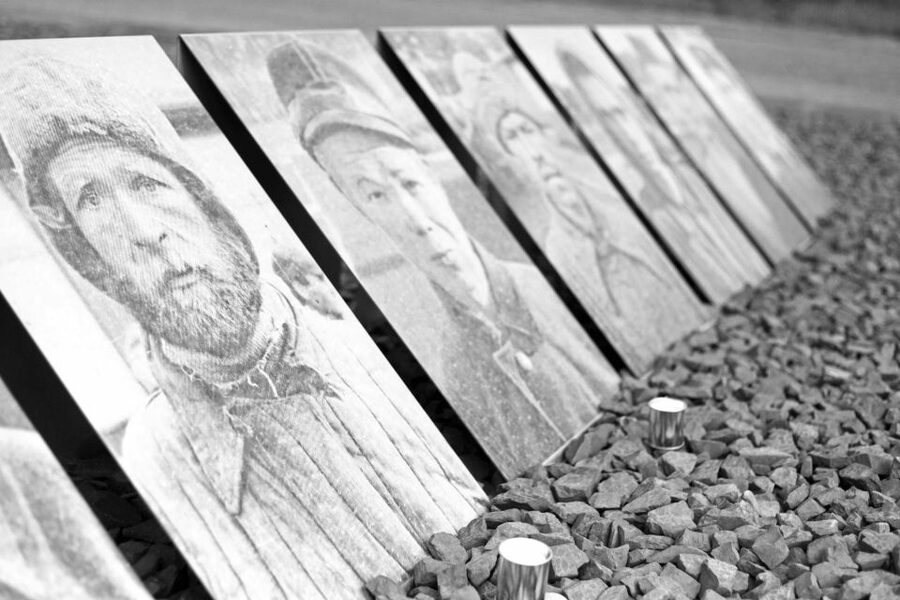
The history here is not only a record of suffering. Your guide also tells stories of resistance and survival, including the revolt of Jewish prisoners in 1942 and the counterfeiting operation in which prisoners produced millions of pounds sterling in a forgery workshop. These accounts show acts of courage and skill under brutal conditions, without suggesting that resistance made the camp less cruel.
The tour also covers escape attempts, including a tunnel dug by Jimmy James. These stories can help put individual choices back into a history often described in vast numbers. Your guide may also explain the Death March that took place before the camp’s liberation in 1945, bringing the visit toward its final chapter.
These details are part of what makes a guided visit valuable. You see the physical site, but the guide links it to the people who lived, resisted and died there. Past guides such as Sarah and Ronja have been praised for inviting questions and conveying the political history with care. Guide assignments vary, so you cannot count on a particular person, but the tour is led by a licensed, trained guide.
A long day, so plan your food and clothing
The full outing is listed as 330 minutes, or five and a half hours, including travel. In practice, allow room for the day to run closer to six hours, depending on the transport and pace. One past tour returned to Berlin around 4:15 p.m. after leaving at about 10 a.m., though exact start times vary.
Bring a bottle of water and a snack. There are no shops or cafés in or around the memorial, and the tour does not promise a meal stop. Some people find it a long stretch to go without lunch, so do not assume you will be able to buy something once you arrive. Eat beforehand if that suits you, and pack something you can carry easily.
Wear comfortable shoes and dress for the weather. The tour runs in all weather, and paths can be muddy after rain. Much of the visit is outdoors, so rain gear matters on wet days and layers can help when conditions change. This is a poor day for new shoes, flimsy footwear or a packed schedule immediately afterward.
What the $38 price includes
At $38 per person, the price covers the licensed guide, the memorial fee and a €3 donation to the memorial site. That donation supports the site’s continued use for visitors, schools and tour groups. Public transport is not included, so add the cost of an ABC ticket when comparing the total price with other options.
I see the value less in getting from Berlin to Oranienburg than in what the guide adds once you arrive. You could visit the memorial independently, but you would need to arrange the transport yourself and make sense of the site’s history on your own. Here, the guide handles the route and gives the remains, memorials and stories a clear historical frame. The small group also gives you a better chance to ask questions than a much larger outing would.
This is still a full day devoted to a sombre subject, not a quick sightseeing stop. If you mainly want a brief look at the entrance and a few buildings, the length may feel demanding. If you want to understand the camp’s place in Nazi Germany and hear accounts of daily life and resistance, the time and price are easier to justify.
Who should take this tour
This tour suits you if you want a guided, historically grounded visit and are comfortable spending several hours at a memorial site. It is especially useful if public transport in Berlin feels unfamiliar, since you travel with the group and guide both ways. The small group can also make it easier to ask questions about particular parts of the history.
It may be less suitable if you have limited mobility, dislike long periods on your feet or are looking for a light half-day activity. The day includes walking between the station and memorial as well as around the grounds. The content can be emotionally challenging, and the outdoor setting means weather is part of the experience.
If you book, go in with enough time in your schedule to absorb the visit. You do not need to prepare a reading list, but a few questions can help you focus: how the camp functioned, what daily life involved, or how prisoners resisted. The guide can help you connect those questions to what you see.
Should you book the Sachsenhausen tour?
I would book this tour if you want more than a self-guided walk through a memorial site. The licensed guide, 15-person limit, included memorial fee and shared public transport make it a practical way to visit Sachsenhausen from Berlin, while the accounts of forced labour, resistance and the Death March give the day a thoughtful shape.
Skip it if you need a short outing, prefer to set your own pace throughout, or would find the subject too heavy right now. For everyone else, bring your ABC ticket, water, a snack and sturdy shoes. Then give the visit the time and attention it deserves.
FAQ
How long is the tour?
The tour lasts 330 minutes, or about five and a half hours, including travel. The day can take closer to six hours, depending on transport and timing.
Where does the tour meet?
Meet outside Starbucks opposite Hackescher Markt S-Bahn station, at Neue Promenade 3.
Is public transport included in the price?
No. You need a public transport ticket covering zones A, B and C. An ABC day pass is recommended.
What is included in the $38 price?
The price includes a licensed and trained guide, the memorial fee and a €3 donation to the camp memorial. Public transport tickets are not included.
How large is the tour group?
The group is limited to 15 participants.
What language is the tour in?
The live tour guide speaks English.
Can I buy food or drinks at the memorial?
No. There are no shops or cafés in or around the memorial site, so bring drinks and a snack.
What happens if it rains, and can I cancel?
The tour runs in all weather, and paths can be muddy after rain. You can cancel up to 24 hours in advance for a full refund.
Newest tours in Berlin
- Berlin: guided canoe | kayaktour★ 4.1 · 7 reviews
- Understanding Kreuzberg: The roots of local (sub)culture★ 4.9 · 11 reviews
- Where It All Began: Berlin’s Queer & Trans History Tour★ 4.9 · 6 reviews
- Warnemünde Shore Excursion: Private Sachsenhausen and Berlin Tour★ 5.0 · 12 reviews
- Ultimate E-Bike Tour of Berlin with Beer Garden Stop★ 5.0 · 4 reviews
- Potsdam Highlights – Private sightseeing tour by minibus★ 5.0 · 3 reviews
- Private Potsdam City Tour in an authentic vintage van★ 5.0 · 14 reviews
- Transfer from Berlin Schönefeld Airport (SXF) to Berlin city Hotels – ROUND TRIP★ 4.0 · 3 reviews
Sachsenhausen Memorial Tours, compared.
Sachsenhausen Concentration Camp Tour in English
Read our review →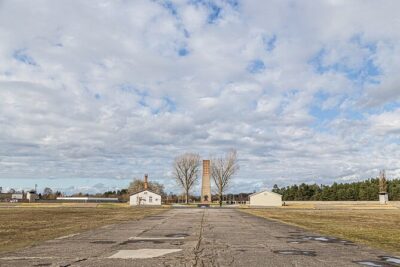
Sachsenhausen Concentration Camp Memorial Tour
Read our review →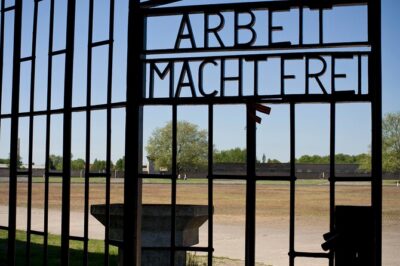
Sachsenhausen Concentration Camp Bus Tour in English from Berlin
Read our review →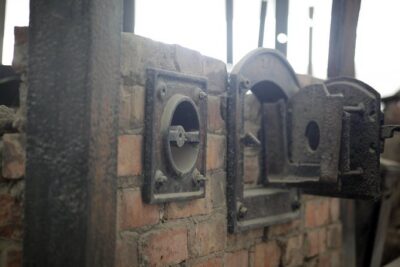
Sachsenhausen Concentration Camp Memorial Tour (Max. 15 Guests)
Read our review →
Sachsenhausen Concentration Camp and Potsdam Tour
Read our review →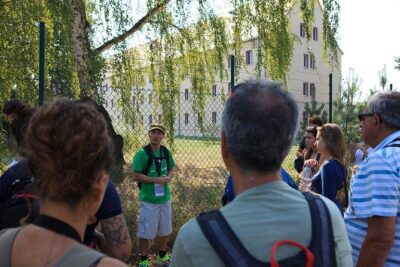
Visita en español al campo de concentración Sachsenhausen
Read our review →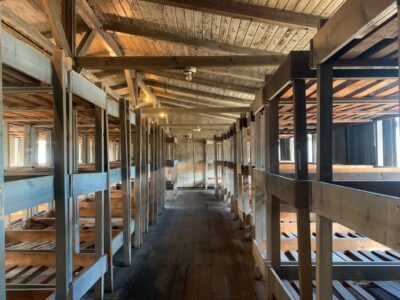
Browse the lists this tour appears in