
Reviewed · BERLIN MUSEUM TICKETS
Berlin: Tickets to the Computer Games Museum
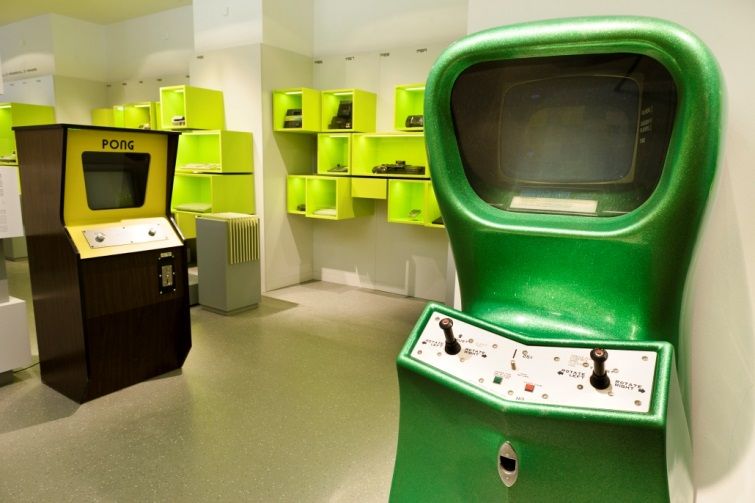
Berlin’s Computer Games Museum makes gaming history something you can touch, test, and occasionally lose at. You’ll find more than 300 exhibits, from the early Nimrod and Pong machines to later consoles, arcade cabinets, 3D games, and movement games.
I like two things in particular: the playable classics, which turn a display of old machines into a proper hands-on visit, and the Wall of Hardware, where generations of gaming devices sit side by side. One thing to consider: the museum is compact, and the arcade section can get crowded, so you may need to wait for a turn.
- More than 300 exhibits trace the development of computer games across roughly six to seven decades.
- Play the past: Try arcade favorites such as Pac-Man and Space Invaders, plus other interactive games.
- See the hardware: The collection spans machines such as Commodore, Game & Watch, and PlayStation.
- Find unusual attractions: The Giant Joystick and PainStation put a physical spin on gaming.
- Look beyond 2D: Explore 3D games on a 3D television or handheld 3DS.
- One ticket covers both exhibitions: Your entry includes the permanent exhibition and special exhibitions.
Start with gaming history you can play
This is not a museum where you spend the whole visit reading labels behind glass. The Computer Games Museum mixes displays with working games, so you can move from looking at a machine to trying it yourself. That hands-on approach is the main reason I’d put it on a Berlin itinerary for anyone who has ever cared about a console, a joystick, or a high-score screen.
The collection covers about 60 to 70 years of computer gaming history, depending on how you describe its span. More than 300 exhibits offer plenty to look at, from early machines such as Nimrod and Pong to familiar arcade games and home consoles. The museum also marks key stages in gaming through 52 highlighted games, including Pac-Man, Bomb Jack, and Grand Theft Auto IV.
The result is a visit with two different pleasures. You can follow how games and hardware changed, or simply gravitate toward the titles you remember and see what still feels fun. If you’re with children, that mix helps: younger players can try the games while adults spot the systems they grew up with.
Follow the Wall of Hardware
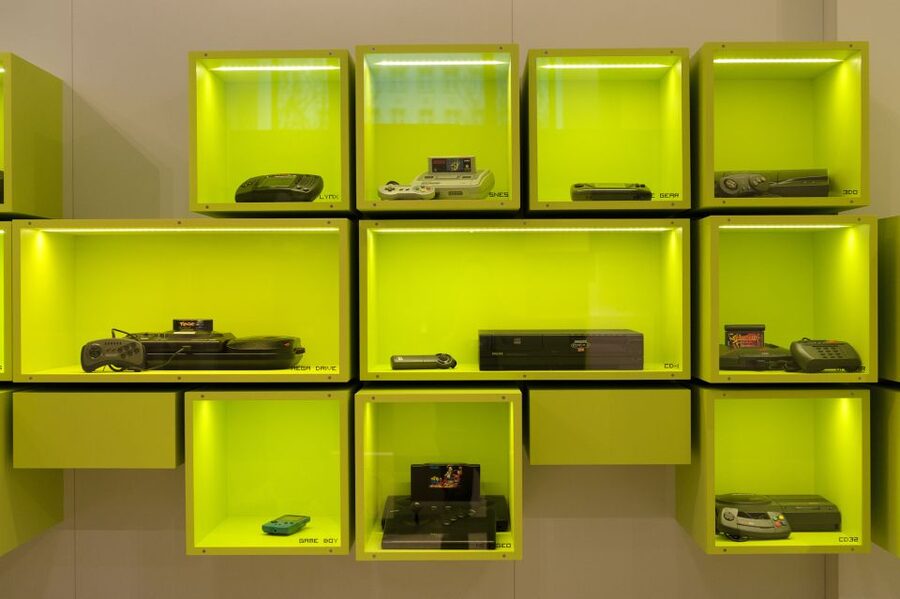
The Wall of Hardware is a useful place to get your bearings. It brings together machines from different generations, including Commodore systems, Game & Watch, and PlayStation. Seeing them in sequence makes the changing shape of gaming tangible: the controllers, screens, and devices are part of the story, not just props around it.
For many people, this will be the most personal part of the visit. You might recognize an old console from home, or see a device your children know only as a name in gaming history. Parents have a natural opening for a conversation here: the games you played may look slow and simple to a child raised on newer systems, which is half the fun.
The displays also help explain how computer games moved between settings. Arcade machines, handhelds, consoles, and computers each offered a different way to play. The collection gives you a quick visual record of those shifts without requiring you to arrive with specialist knowledge.
More museum visits in Berlin:
- Berlin: Jewish Museum Berlin Entrance Ticket
★ 4.5 · 8,393 reviews - Berlin: DDR Museum Tickets
★ 4.3 · 3,443 reviews - Berlin: Natural History Museum Entrance Ticket
★ 4.6 · 3,382 reviews
Take a turn at the arcade machines
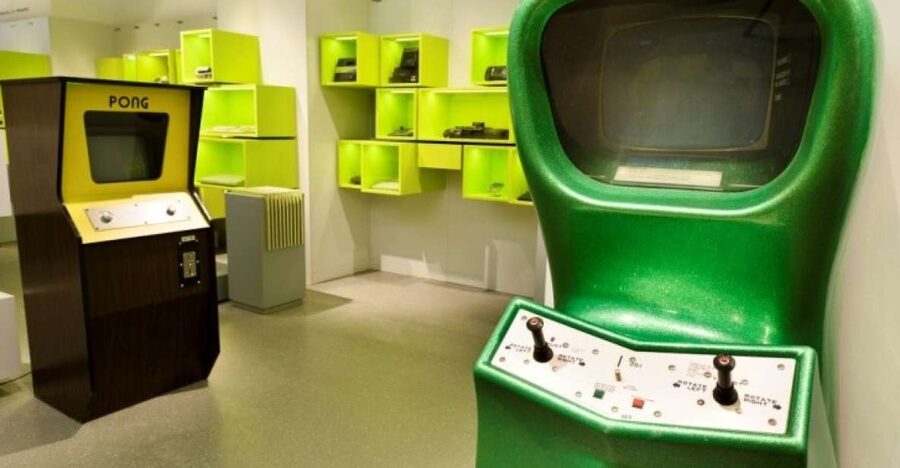
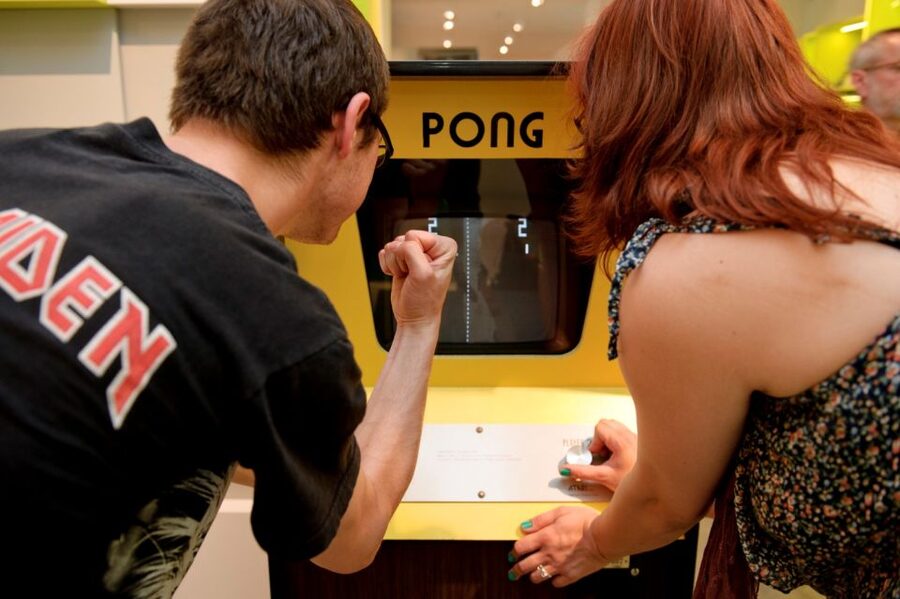
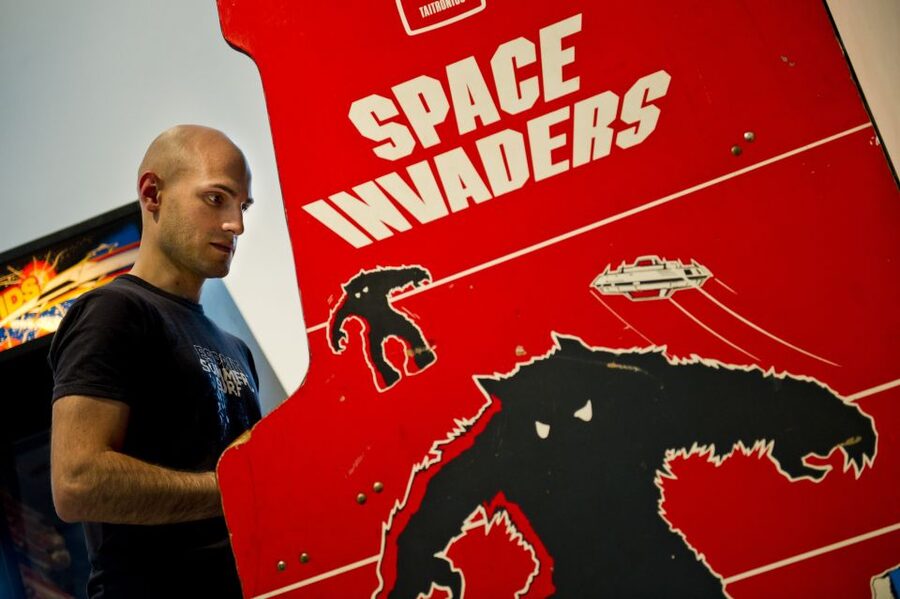
A small amusement arcade holds coin-operated games such as Donkey Kong and Space Invaders. It’s a chance to play rather than just admire the cabinets, and a good place to spend time if you’re drawn to classic arcade design. Pac-Man, also known as Puckman in some places, is among the games you may encounter.
The arcade is popular, and there are only so many machines to go around. If you arrive when the room is busy, expect to wait for a cabinet you want to try. That can make the visit feel less like a smooth progression through a museum and more like taking turns in a family game room.
The games themselves are part of the appeal. Older controls and simpler graphics can feel very different from modern games, especially to children who have grown up with more advanced consoles. Don’t treat the old machines as a quick warm-up before the newer displays. Their limits are exactly what make them interesting.
Try the Giant Joystick and PainStation
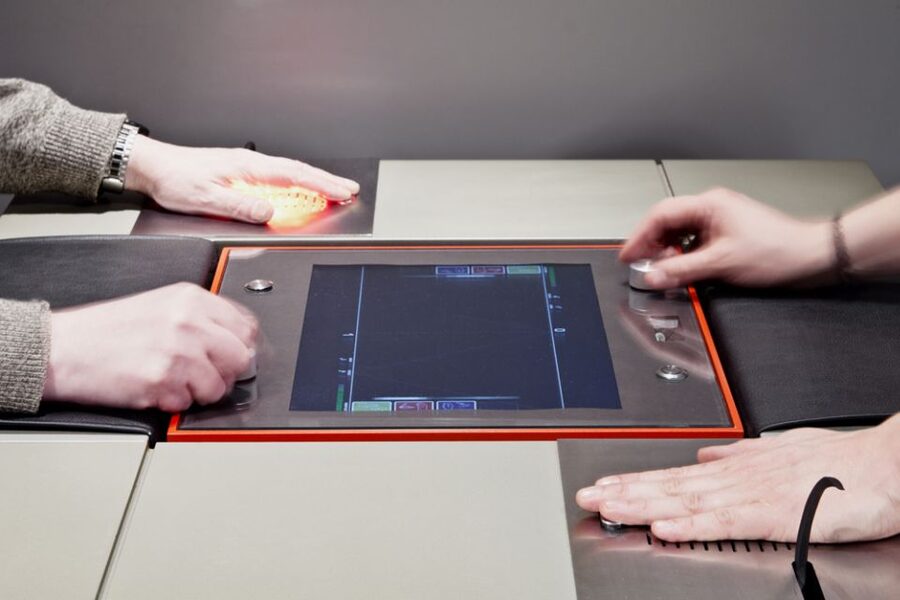
Some of the museum’s most unusual exhibits turn play into a physical experience. The Giant Joystick makes the familiar controller idea larger than life, while the PainStation adds a startling twist: it gives a shock or hit when you miss a ball. It’s a memorable contrast to the quiet, hands-off style of many museum displays.
The PainStation is not a standard game station, so think about who you’re visiting with before making it a family challenge. One account describes it as intended for adults over 18, and says you need to be comfortable with the idea of a mild shock or hit for a missed ball. Check the museum’s current rules on site before you play, especially if you’re visiting with children.
These pieces work best as curiosities, not as the sole reason to come. They show how the museum treats games as more than software: play can involve movement, competition, and physical reactions. If you’re mainly interested in the history of consoles, you can still have a full visit without making these exhibits your focus.
See gaming step into 3D
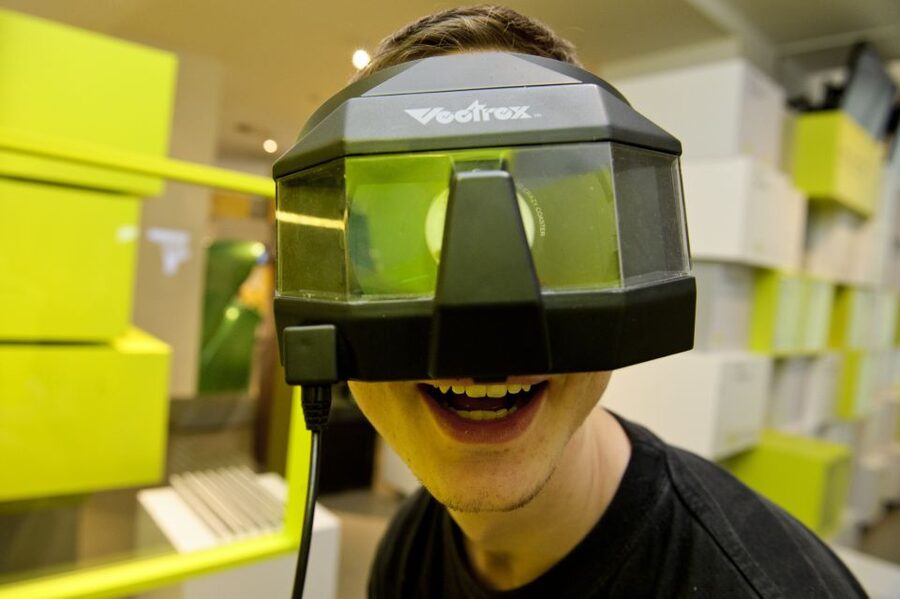
The museum also explores 3D gaming, with the chance to experience games on a 3D television or a handheld 3DS. It’s a small but useful reminder that the history of gaming is not only a story of faster processors and better graphics. It is also a series of experiments in how games can look and feel.
A visitor has also noted a demonstration of a 1994 virtual-reality game, with a free timed ticket available from reception. Because that detail may depend on what is operating during your visit, ask the staff when you arrive rather than planning your day around it.
This section can be especially interesting if you want to compare old ideas with newer technology. A 3D display or handheld system makes the change easier to grasp than a label alone. Still, the museum’s strongest draw is its broad range of playable history, not a promise of an extensive modern gaming zone.
More tickets and passes in Berlin:
- Berlin: Berlin Story Bunker Entry Ticket
★ 4.6 · 6,759 reviews - Berlin: Illuseum Berlin Entrance Ticket
★ 4.1 · 3,970 reviews - Berlin: Madame Tussauds Admission Ticket
★ 4.6 · 3,941 reviews - Berlin: Neues Museum Entry Ticket
★ 4.6 · 3,261 reviews
Make room for the special exhibition
Your ticket includes access to the permanent exhibition and special exhibitions. The permanent collection is the dependable core of the visit, while the special exhibition gives you another reason to look beyond the familiar consoles and arcade cabinets.
The subject and format of the special exhibition can change, so check what is on before you go if a particular theme matters to you. The ticket description does not promise a specific special exhibition, and it’s best to treat it as an included extra rather than build your whole visit around a particular display.
Because the museum has plenty of interactive pieces, take your time rather than racing from one exhibit to another. Some people make a quick circuit and leave after about half an hour; others spend several hours trying games and taking in the displays. Your pace will depend on how many machines you want to play and whether you’re waiting for a turn.
Is the $22 ticket good value?
At about $22 per person, this is a reasonable choice if you’ll spend time with the games, not just glance at the exhibits. The ticket covers the permanent and special exhibitions, and the interactive displays give you more to do than a conventional collection of objects. If you have a strong interest in gaming, or you’re visiting with children who want to play, the price is easier to justify.
The value is less certain if you expect a huge museum with several floors or a long list of current games. The space can feel compact, and one quick visit might take only around 30 minutes. But the time estimate changes considerably if you stop to play, wait for popular arcade machines, or examine the hardware in detail. A repeat visit is possible within the ticket’s stated one-day validity, but the ticket does not include a guide or transfers.
Booking is flexible: you can reserve now and pay later, and cancellation up to 24 hours in advance qualifies for a full refund. The museum is wheelchair accessible. Check availability for the day and starting times before booking.
Who will enjoy this museum most?
I’d recommend the Computer Games Museum to gaming fans, families, and anyone who likes seeing technology change through objects they can recognize. It works especially well across generations: parents can revisit the games of their youth while children discover why those old machines mattered. The chance to play makes it easier for both groups to share the visit rather than split into separate interests.
It also suits a rainy-day plan or a break from Berlin’s larger historical sights. The subject is focused, the exhibits are hands-on, and the museum offers a different kind of cultural stop. If you’re not interested in video games, though, the collection may feel narrow, and its compact size may not fill a long afternoon.
Go in expecting a focused museum with lots of playable nostalgia, not a vast arcade or a deep catalogue of modern games. If that sounds right, the mix of hardware, landmark titles, and interactive oddities makes this a worthwhile stop.
FAQ
What does the ticket include?
It includes entry to the permanent exhibition and special exhibitions. A guide and transfers are not included.
How many exhibits are there?
The museum has more than 300 exhibits covering roughly six to seven decades of computer gaming history.
Can I play games at the museum?
Yes. Interactive displays include playable arcade machines and other games, with examples such as Donkey Kong, Space Invaders, and Pac-Man.
What kinds of consoles and machines are on display?
The Wall of Hardware includes machines from different generations, including Commodore, Game & Watch, and PlayStation. Other highlights include Nimrod and the Pong arcade machine.
Where is the meeting point?
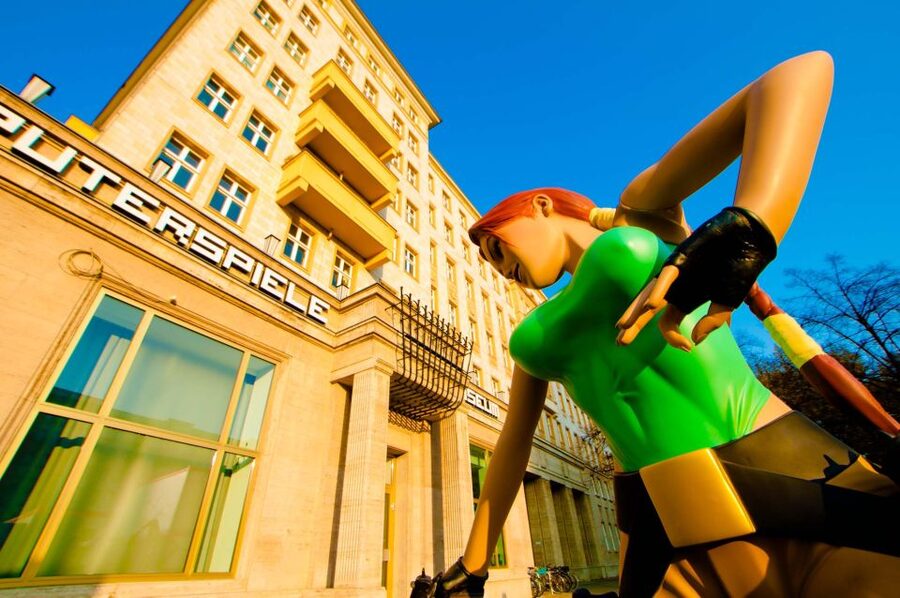
The meeting point is the Computer Games Museum Berlin at Karl-Marx-Allee 93a, 10243 Berlin.
Is the museum wheelchair accessible?
Yes, the activity information describes the museum as wheelchair accessible.
Newest tours in Berlin
- Berlin: guided canoe | kayaktour★ 4.1 · 7 reviews
- Where It All Began: Berlin’s Queer & Trans History Tour★ 4.9 · 6 reviews
- Understanding Kreuzberg: The roots of local (sub)culture★ 4.9 · 11 reviews
- Warnemünde Shore Excursion: Private Sachsenhausen and Berlin Tour★ 5.0 · 12 reviews
- Ultimate E-Bike Tour of Berlin with Beer Garden Stop★ 5.0 · 4 reviews
- Potsdam Highlights – Private sightseeing tour by minibus★ 5.0 · 3 reviews
- Private Potsdam City Tour in an authentic vintage van★ 5.0 · 14 reviews
- Transfer from Berlin Schönefeld Airport (SXF) to Berlin city Hotels – ROUND TRIP★ 4.0 · 3 reviews
Berlin Museum Tickets, compared.


Skip-the-Line: Berlin Wall Museum at Checkpoint Charlie
Read our review →

Browse the lists this tour appears in