
Reviewed · BERLIN TOURS
Queer Berlin Tour: Birthplace of LGBTQ+ Movements
Berlin’s queer story is not confined to one neighborhood or one era. This three-hour walk links Schöneberg’s cabarets and Christopher Isherwood’s Berlin with Magnus Hirschfeld’s pioneering work, Nazi persecution, and the realities of queer life in Cold War East Berlin. It is a history tour with a clear local focus, not just a stroll past famous addresses.
I especially like the mix of personal stories and major historical events, from the Institute for Sexual Science to the persecution of LGBTQ+ people under the Nazis. I also like that the route connects Schöneberg’s nightlife with memorials and central Berlin, helping you see how queer history fits into the wider city.
One thing to consider: three hours on foot is a lot of ground and history in one go, and metro fare is not included. If mobility is a concern, contact the provider before booking.
- Schöneberg is the heart of the route: See sites associated with Berlin’s early queer scene, including Christopher Isherwood’s former flat and the former El Dorado Cabaret.
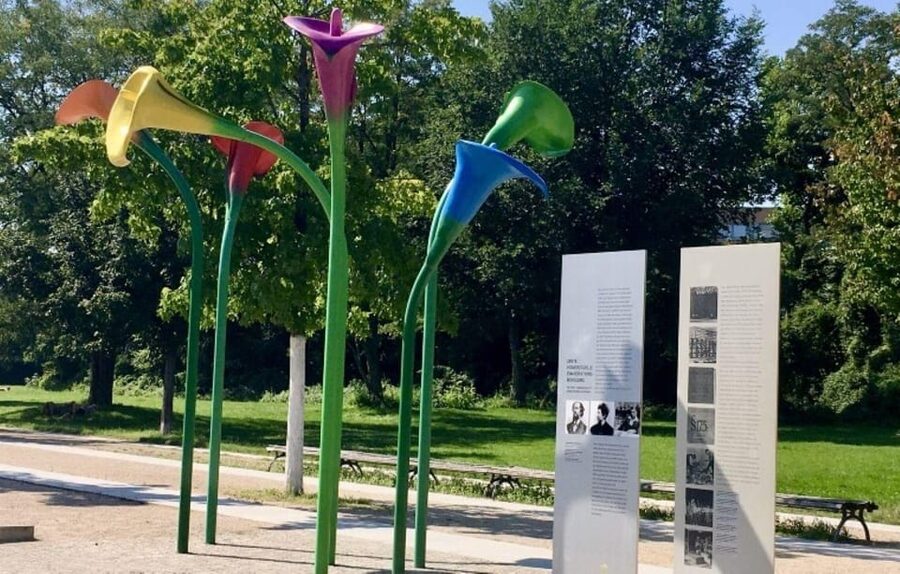
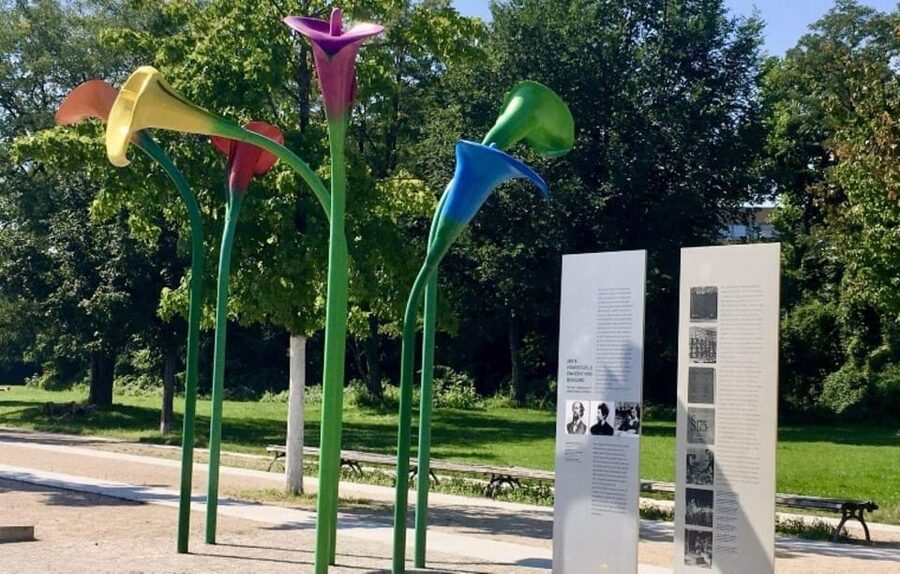
- Magnus Hirschfeld’s work gets special attention: Learn about the Institute for Sexual Science, founded on the site marked by the Memorial to the First Homosexual Emancipation Movement.
- The tour spans more than the Weimar years: Stories reach from Prussian figures to Nazi persecution and queer life in Cold War East Berlin.
- Nightlife connects history to culture: Hear about cabaret, legendary lesbian bars, Chez Romy Haag, and the Berlin scene linked to David Bowie.
- Guides bring different perspectives: Dan and Justin have led tours, with accounts describing lively storytelling, images, music, and a small-group feel.
A queer history walk across several eras
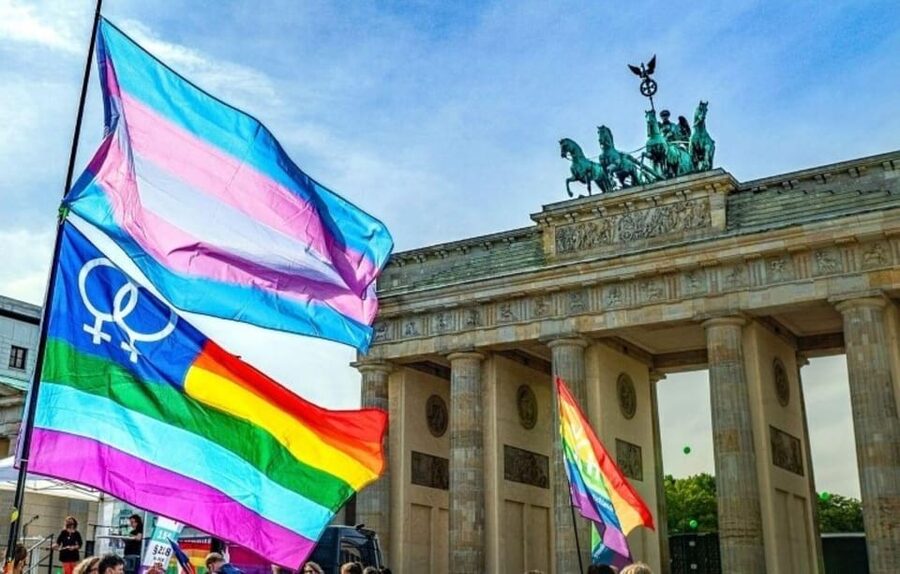
Berlin’s place in LGBTQ+ history comes into view through people and places, not just dates. The tour ties together scientists, activists, artists, club culture, persecution, and the lives queer people built after war and division. That makes it useful if you want to understand why Berlin became a center of queer life, rather than simply collect a list of notable addresses.
The three-hour format gives the guide time to connect individual stories to wider events. You will hear about Magnus Hirschfeld’s early work, the cultural life of Weimar-era Berlin, the Nazi destruction of queer institutions, and the postwar return of Schöneberg as a center of gay life. The final stretch reaches Alexanderplatz, where the focus turns to queer people living under the Iron Curtain.
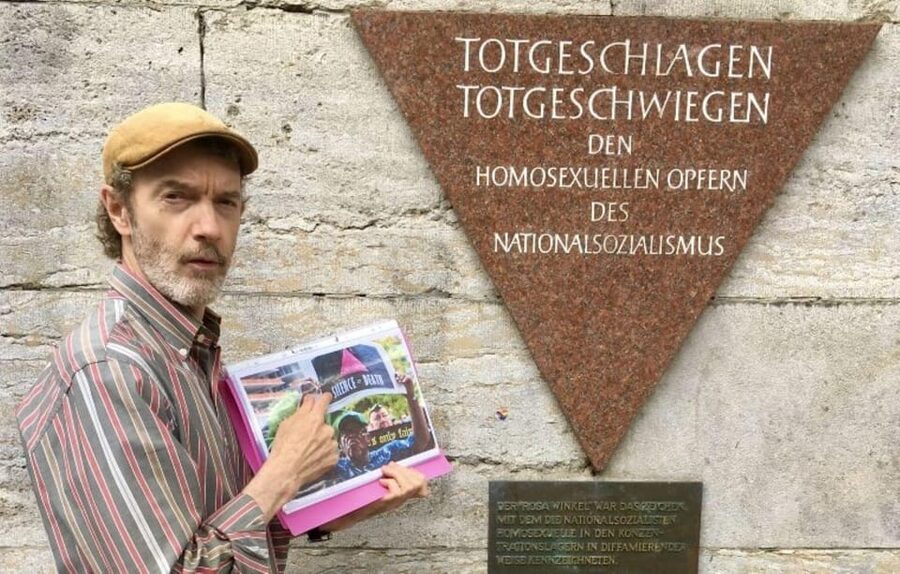
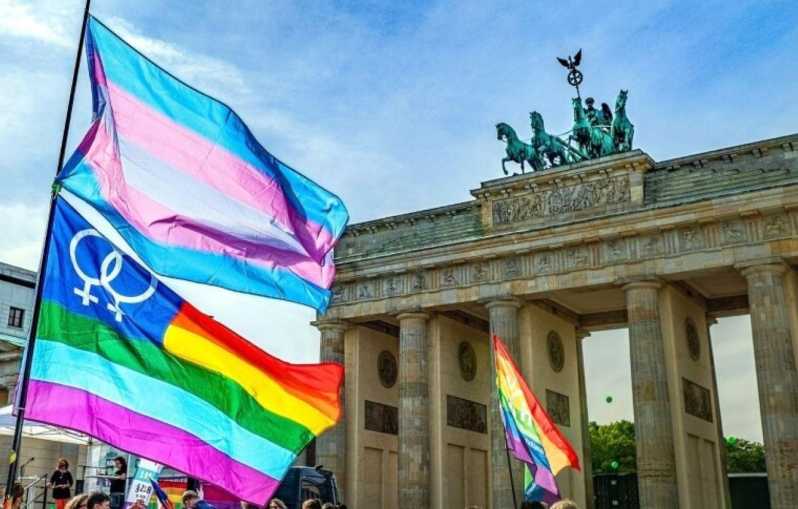
The route also takes in major city sights and memorials, including the Memorial to the Homosexuals Persecuted Under Nazism and Unter den Linden. That wider frame matters: this is not only a neighborhood tour. It uses Berlin’s changing geography to show how power, politics, and everyday life shaped queer experience.
Starting at Nollendorfplatz and exploring Schöneberg
The tour begins at a location that depends on the option you select. Nollendorfplatz is a key stop, and from there the walk explores Schöneberg, described as the world’s first gay ghetto. The phrase signals the neighborhood’s historic importance as a place where queer people found nightlife and community, even as their lives remained exposed to prejudice and danger.
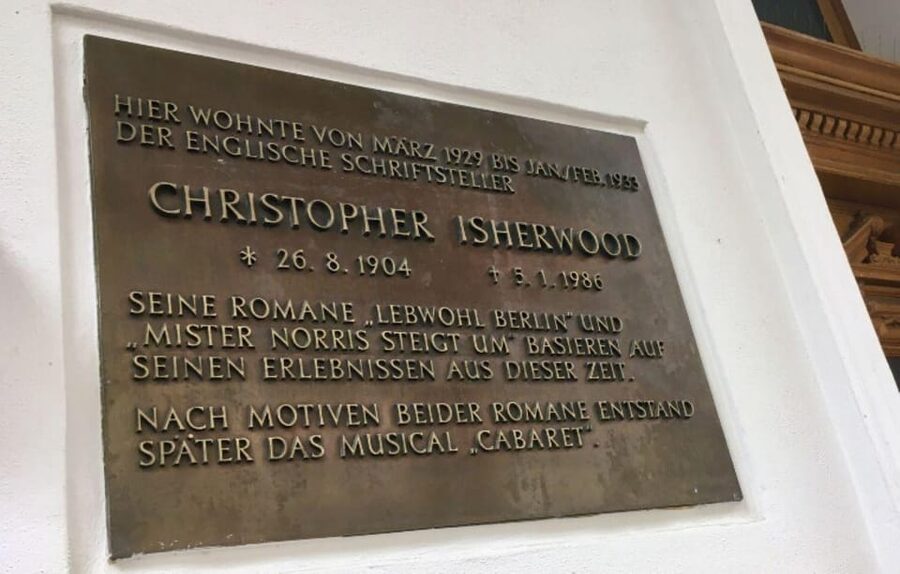
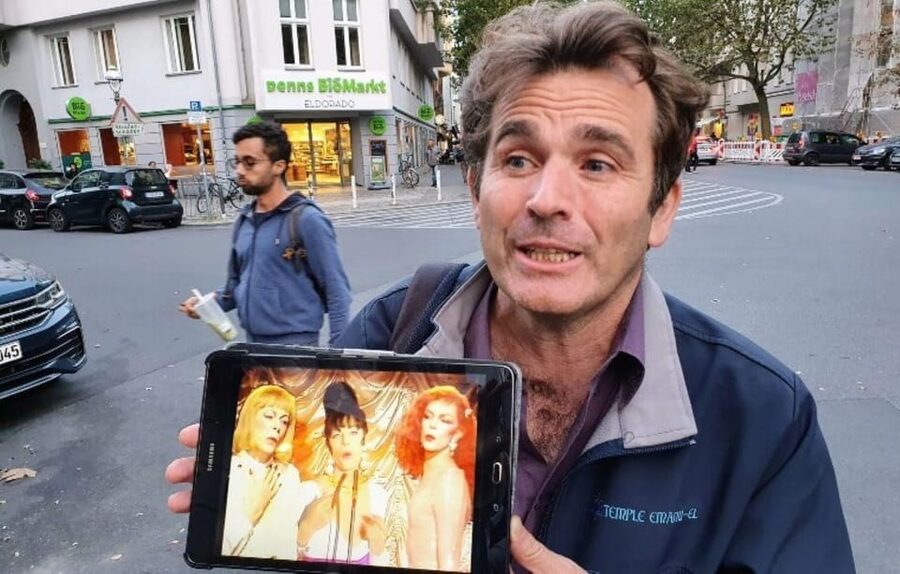
Schöneberg is where many of the tour’s stories become tangible. You will see the former flat of Christopher Isherwood, whose experiences in Weimar-era Berlin helped inspire Cabaret. The guide links his address to the clubs and street life he knew, giving you a more human sense of the world behind the musical.
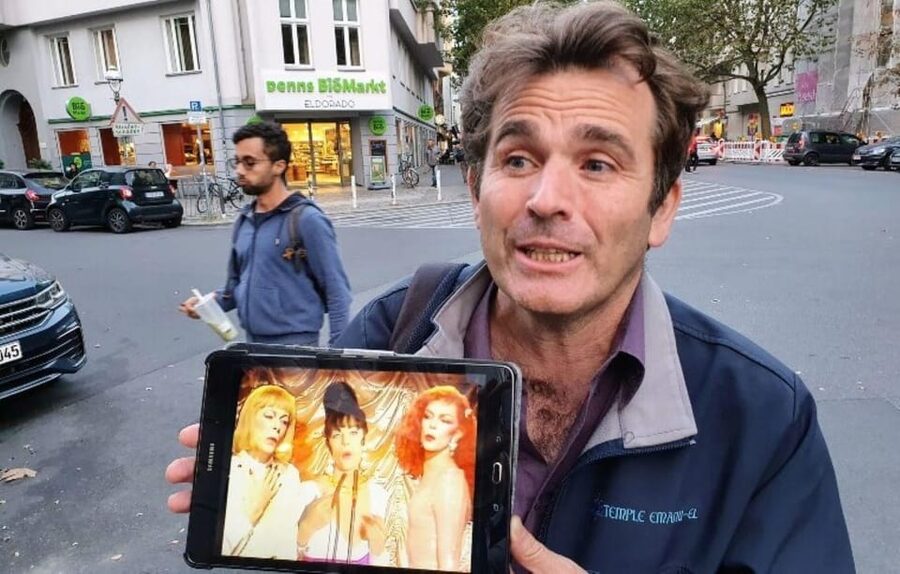
The former El Dorado Cabaret is another anchor. Marlene Dietrich performed there, and the venue’s past also connects to Ernst Röhm, the openly gay head of the Nazi Brown Shirts. Röhm was executed during the 1934 Night of the Long Knives, a grim example of how personal identity and political power could collide. The guide’s account makes clear that queer visibility in Berlin’s nightlife did not mean safety.
The itinerary also includes a stop at Real de Catorce. The details of this stop are not specified, so it is best to ask the guide what it adds to the route if you want to know more before booking. More broadly, expect some stops to work as story points rather than visits inside historic buildings.
More LGBTQ-friendly tours in Berlin:
- Berlin: Gay Berlin Out in Schöneberg Walking Tour
★ 4.8 · 281 reviews - Berlin’s Gay, Lesbian, and Queer Scene Small-Group Walking Tour
★ 4.5 · 66 reviews - Street Art & Berlin Gay, Queer, Trans History + Free Gay Map
★ 4.9 · 15 reviews
Remembering Hirschfeld at the emancipation monument
The Memorial to the First Homosexual Emancipation Movement marks the site of the Institute for Sexual Science, founded by Magnus Hirschfeld. The guide explains Hirschfeld’s role as a scientist and advocate, including his work on sexuality and gender and his contribution to the early gay rights movement.
Hirschfeld also co-authored Anders als die Andern (Different from the Others) in 1919, described as the first pro-gay film. The institute’s history took a brutal turn in 1933, when the Nazis closed it and burned its library. That destruction gives the site a special weight: it represents both the ambition of early research and the deliberate effort to erase it.
This is one of the tour’s most valuable stops if you are interested in the roots of LGBTQ+ activism. Instead of treating the past as a string of colorful anecdotes, the guide can show how research, public advocacy, and cultural work formed part of a movement, and how quickly those gains could be attacked.
The tour also visits the Memorial to the Homosexuals Persecuted Under Nazism. Together, the two memorials help you connect the loss of Hirschfeld’s institute with the broader persecution of queer people. The subject is painful, but central to understanding Berlin’s history; the route does not leave the city’s darker chapters out of the picture.
From cabaret nights to postwar Schöneberg
Schöneberg’s story does not stop with the Weimar era. The tour follows the neighborhood’s postwar rebirth as Berlin’s gay heart and points to clubs that shaped its later identity. One notable address is Chez Romy Haag, the nightclub associated with transgender performer Romy Haag and her relationship with David Bowie.
The Bowie connection offers a bridge between Berlin’s queer nightlife and international music history. Haag was an actress, singer, and dancer, and the relationship with Bowie is described as an inspiration for his song Heroes. This section helps show that queer culture was not tucked away from the city’s wider artistic life. It helped shape it.
You will also hear about legendary lesbian bars and a rent-boy dive that remains gay-run. These details add texture to the neighborhood’s history, though the tour is still a guided walk rather than a night out. You should not expect entry to clubs or a performance; the emphasis is on the stories and sites.
The blend of famous names and less polished details is one of the tour’s strengths. Dietrich and Bowie are familiar touchstones, while the bars, cabarets, and street-level accounts bring the history closer to everyday life. The guide’s storytelling style can add to that effect: Dan has led with a lively, humorous approach and a soundtrack, while Justin has drawn on his US upbringing to make comparisons accessible to an American audience. Guides vary, so neither is guaranteed.
Unter den Linden and queer lives in earlier Berlin
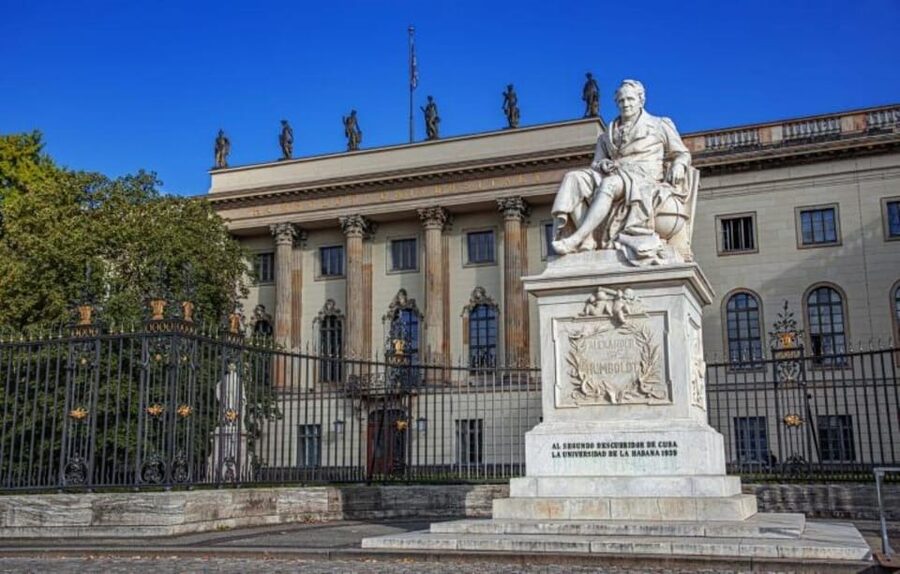
The route reaches Unter den Linden, where the guide introduces figures such as Prussian King Frederick the Great and explorer Alexander von Humboldt. The focus is on how men whose sexuality was concealed or disguised lived within the limits of their time.
This stop broadens the timeline beyond the better-known club culture of the 1920s and later decades. It also asks you to consider how history records private lives, and what people had to hide to keep their place in public life. The details are best heard from the guide, who can explain the context without reducing these figures to a single part of their identity.
Unter den Linden is a major historic boulevard, so this section also helps place queer history within Berlin’s more familiar civic and cultural story. If you have already visited the city’s central sights, the tour may give you a different lens on places you recognize. If this is your first visit, it adds context while you see them.
Same city, a different kind of day:
- Berlin: Reichstag, Dome and Government District Guided Tour
★ 4.7 · 18,288 reviews - Berlin: 1-Hour City Tour by Boat with Guaranteed Seating
★ 4.3 · 16,993 reviews - Berlin: Boat Tour Along the River Spree
★ 4.4 · 11,252 reviews - Discover Berlin Half-Day Walking Tour
★ 5.0 · 9,624 reviews
Alexanderplatz and queer life behind the Wall
Alexanderplatz marks a shift in tone and setting. As the heart of Cold War East Berlin, it provides a backdrop for stories about the restrictions and suffering faced by gay and lesbian people behind the Iron Curtain. This part of the tour matters because Berlin’s queer history did not end with the Nazi era or remain confined to West Berlin’s clubs.
The city’s division shaped daily life, and the guide brings the tour’s timeline into the more recent past. You hear how queer people endured state and social pressures, then reach the present-day context of Queer Berlin. The tour’s conclusion makes the history feel ongoing, rather than sealed inside memorials and old nightlife addresses.
The endpoint is listed as two drop-off locations, Berlin and Impala Coffeeshop. Check the exact finish point with your guide when you book, especially if you have plans afterward. The route is a walking tour, and metro fares are extra, so allow for additional transit if you need to return to your starting point.
What the $153 price buys you
At $153 per person, this is a premium-priced walking tour. The value depends on how much you want expert interpretation and a route built around LGBTQ+ history. You are paying for three hours of guided storytelling across several neighborhoods and eras, not for transport, food, or admission to indoor attractions.
The price may make sense if you want a focused account that connects Hirschfeld, Isherwood, cabaret, the Nazi period, postwar Schöneberg, and Cold War East Berlin. Those subjects can be hard to piece together on your own, particularly when the important sites are modest addresses or memorials whose meaning is not obvious at first glance.
Private or small-group options are available. A smaller group can make it easier to ask questions and follow a personal story, though the exact group size is not specified. The tour is offered in English and German, and guides such as Dan and Justin have brought distinct approaches, including personal perspective, comparisons, images, and music.
There is also practical flexibility: you can reserve now and pay later, and cancellation up to 24 hours in advance is eligible for a full refund. Starting times vary, so check availability for your date. Since the itinerary covers a lot on foot, contact the provider with mobility questions before you commit.
Who will get the most from this walk
I would choose this tour if you want Berlin’s history told through queer lives, rather than as a separate niche topic. It suits LGBTQ+ visitors, history-minded travelers, and anyone curious about the people and movements behind Berlin’s reputation as a gay capital. You do not need to know the history in advance; the route is designed to introduce its key figures and turning points.
It is also a good fit if you value a guide’s interpretation more than access to interiors. Much of the experience is about seeing a place and understanding what happened there. If you want a museum visit, a club night, or a short overview of Berlin’s top sights, this is not that kind of outing.
The main tradeoff is pace and subject matter. Three hours of walking can be tiring, and the tour includes persecution and loss alongside cultural history. If you prefer a lighter outing, choose another walk. If you want a clear, specific account of the city’s queer past and present, this one offers a strong way in.
Should you book the Queer Berlin Tour?
Book it if you want a guided, place-based account of queer Berlin that spans Hirschfeld’s institute, Schöneberg’s nightlife, Nazi persecution, postwar community, and Cold War East Berlin. Its strongest feature is the way it links famous cultural figures with less familiar local history. Before booking, confirm the start and finish points, check the available language and group option, and consider whether three hours of walking suits you.
FAQ
How long is the tour?
The walking tour lasts three hours.
What languages are available?
The live guide speaks English or German. Check the available language when choosing a time.
Where does the tour start?
The starting location depends on the option selected. Nollendorfplatz is one of the tour stops.
Where does the tour finish?
Two drop-off locations are listed: Berlin and Impala Coffeeshop. Confirm the exact endpoint with the provider.
Is metro fare included?
No. Metro fare is not included in the tour price.
Is this a private tour?
Private or small-group options are available.
Can I cancel for a refund?
Yes. You can cancel up to 24 hours in advance for a full refund.
Is the tour suitable if I have mobility concerns?
It is a walking tour. Contact the provider before booking if you have mobility issues or concerns.
Newest tours in Berlin
- Berlin: guided canoe | kayaktour★ 4.1 · 7 reviews
- Understanding Kreuzberg: The roots of local (sub)culture★ 4.9 · 11 reviews
- Where It All Began: Berlin’s Queer & Trans History Tour★ 4.9 · 6 reviews
- Warnemünde Shore Excursion: Private Sachsenhausen and Berlin Tour★ 5.0 · 12 reviews
- Ultimate E-Bike Tour of Berlin with Beer Garden Stop★ 5.0 · 4 reviews
- Potsdam Highlights – Private sightseeing tour by minibus★ 5.0 · 3 reviews
- Private Potsdam City Tour in an authentic vintage van★ 5.0 · 14 reviews
- Transfer from Berlin Schönefeld Airport (SXF) to Berlin city Hotels – ROUND TRIP★ 4.0 · 3 reviews
Berlin Tours, compared.
Reichstag, Dome and Government District Guided Tour
Read our review →
1-Hour City Tour by Boat with Guaranteed Seating
Read our review →

Reichstag, Plenary Chamber, Cupola & Government Tour
Read our review →
Browse the lists this tour appears in