
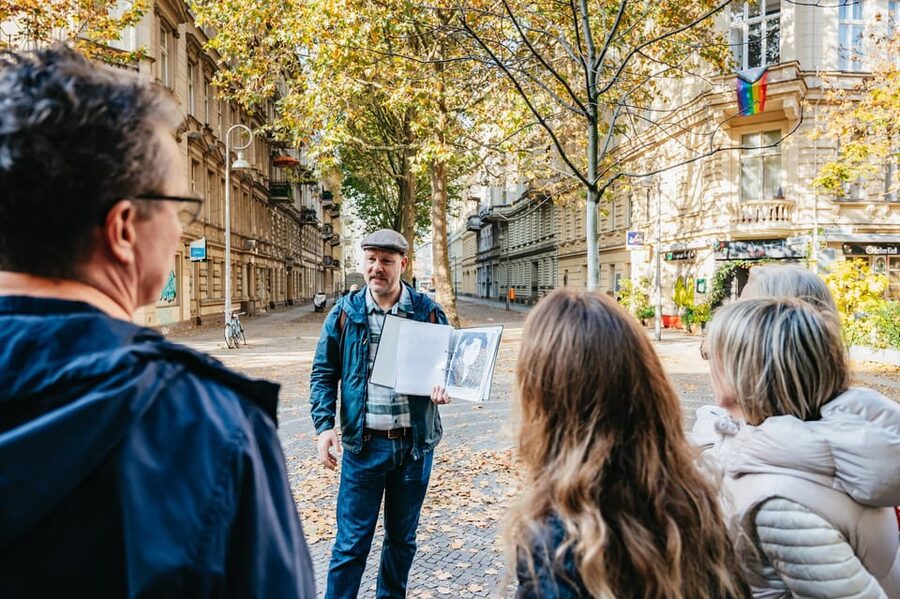
Reviewed · BERLIN WALKING TOURS
Berlin: Gay Berlin Out in Schöneberg Walking Tour
Schöneberg’s queer past is written into ordinary streets: a former club site, a novelist’s old address, and the neighborhood where Berlin’s gay rights movement once took shape. This 2.5-hour walk connects those places to the area’s renewed LGBTQ+ life, giving you more than a list of historic addresses.
I like the mix of early 20th-century history and present-day neighborhood life, and the use of archive images and text to help bring vanished venues into view. I also like that the route makes room for lesbian history and stories beyond the most familiar gay men’s names.
The main consideration is that this is a walking tour, so the experience depends on being comfortable on your feet for about two and a half hours. You’ll also see the sites of famous clubs, not a preserved cabaret interior, and food and drinks are not included.
- Nollendorfplatz anchors the walk: Get oriented in the area known for Berlin’s queer community.
- Former clubs turn street corners into history: The route includes the Hollandais, Kleist Casino, and Nationalhof.
- Motzstraße recalls El Dorado: See the former location of the celebrated cabaret club.
- Isherwood’s address links literature and queer history: Stop by the novelist’s former home on Nollendorfstraße.
- The story reaches beyond the 1920s: Learn about Schöneberg’s revival from the late 1960s and walk through its lesbian quarter.
- A guide adds the human detail: Tobias is named as a guide, and the tour is offered in English or German.
Start at Nollendorfplatz, the heart of queer Schöneberg
The walk centers on the streets around Nollendorfplatz, an area with a long connection to Berlin’s LGBTQ+ community. Rather than treating queer history as something locked away in a museum, the guide uses the neighborhood itself as the setting. You follow a route through places where people met, gathered, organized, and built a community.
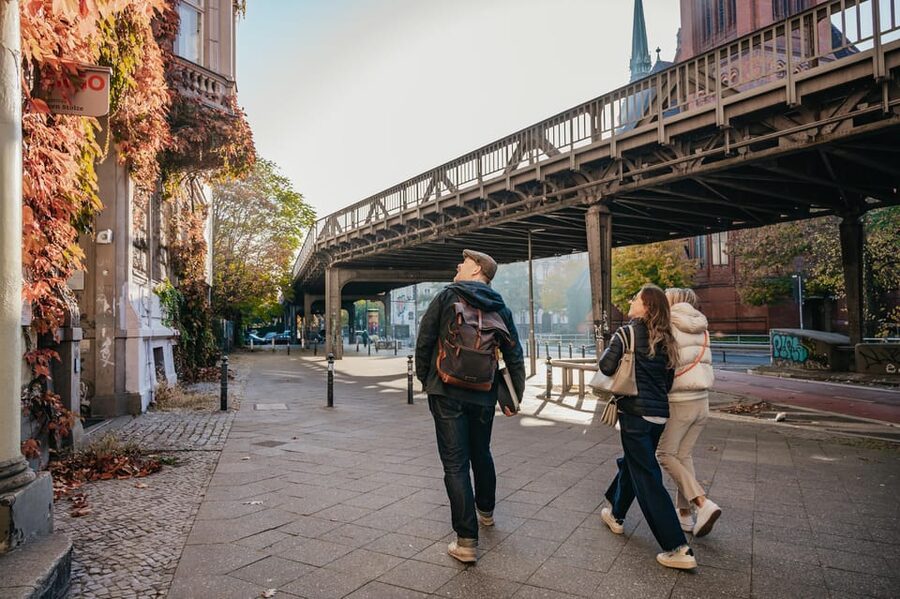
That street-level approach matters because many of the places you’ll hear about no longer serve their original purpose. The tour points out locations such as the Hollandais club, Kleist Casino, and Nationalhof, helping you read the present-day streets alongside the past. Don’t expect each stop to look like a preserved historic attraction. The value is in understanding what happened there and why the address mattered.
The Nationalhof is presented as a center of the gay rights movement. That gives the walk a useful focus: Berlin’s queer history was not only about nightlife, but also about people forming networks and pushing for recognition. The guide connects the movement to the neighborhood’s social life, so the clubs and meeting places become part of a larger story.
The route is especially helpful if you are new to Berlin. Schöneberg is not always the first district people picture when they think of the city’s history, and a guide can give you context that a casual stroll might miss. You’ll leave with a clearer sense of how the neighborhood’s past and present fit together.
Picture the 1920s at the Hollandais and Nationalhof
The tour gives particular attention to the years between the end of World War I and the Nazi Party’s rise to power in the early 1930s. This period is described as Schöneberg’s heyday, with a flourishing gay scene and an active rights movement. The walk helps you place that history in its actual neighborhood, rather than reducing it to a few names and dates.
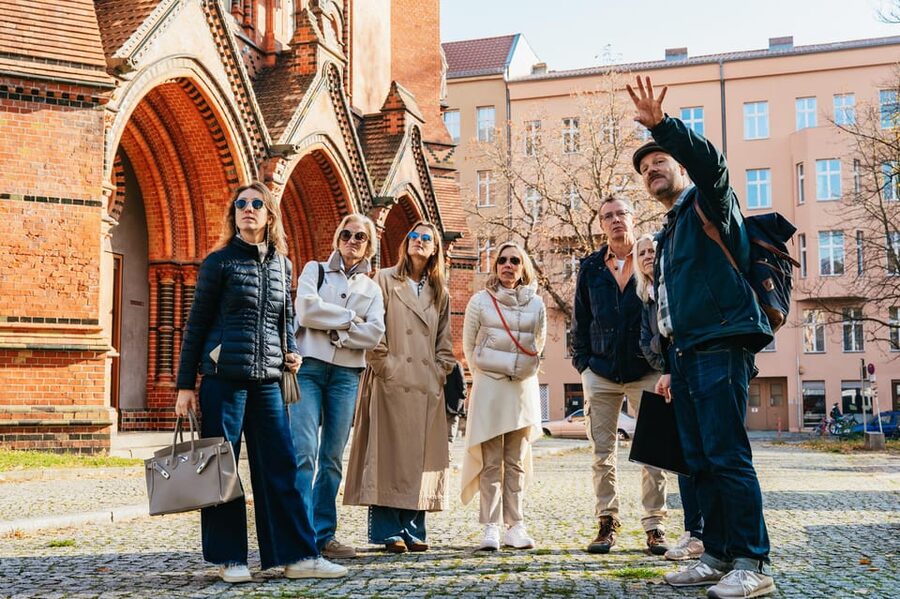
At stops connected with the Hollandais and Nationalhof, the guide explains the role these venues played in local community life. They are historical sites, not necessarily buildings you can enter as clubs today. What you gain is a sense of the network that formed around them and of how much social and political meaning could gather at a single address.
The route also includes the Kleist Casino, another former gathering place. Hearing about several venues in one compact area makes the history easier to picture: this was a district with multiple points of connection, rather than one isolated club. The guide’s stories help put people back into those locations, which can make an otherwise ordinary street feel newly legible.
This part of the tour is likely to be the most rewarding if you are interested in queer history, civil rights, or Berlin between the wars. It is also the section where a good storyteller makes a real difference. Tobias is praised for tying historical figures and local places together, and for adding humor without treating serious subjects lightly.
More walking tours in Berlin:
- Discover Berlin Half-Day Walking Tour
★ 5.0 · 9,624 reviews - Berlin: Third Reich and Cold War 2 Hour Walking Tour
★ 4.9 · 6,830 reviews - Berlin: Discover Berlin Walking Tour
★ 4.9 · 5,998 reviews
Find El Dorado on Motzstraße
Motzstraße is associated with the famed El Dorado cabaret club, and the tour stops at its former location. The appeal here is the contrast between the name’s place in Berlin’s nightlife history and the fact that you are looking at a site in a living neighborhood, not stepping into a recreated cabaret set.
The guide uses the address to talk about the interwar gay scene and its public life. Archive pictures and written materials can help you imagine what has changed, especially when a club itself is no longer there to see. If you enjoy visual context, this is one of the most useful parts of the walk: a photograph or document can bridge the gap between a present-day street and its former use.
Keep your expectations grounded. This is not a show or a visit to a historic club interior. It is a chance to understand what El Dorado represented and how venues like it helped shape the area’s identity. For many people, that context is more valuable than simply ticking off a building from the outside.
Stop at Christopher Isherwood’s former home
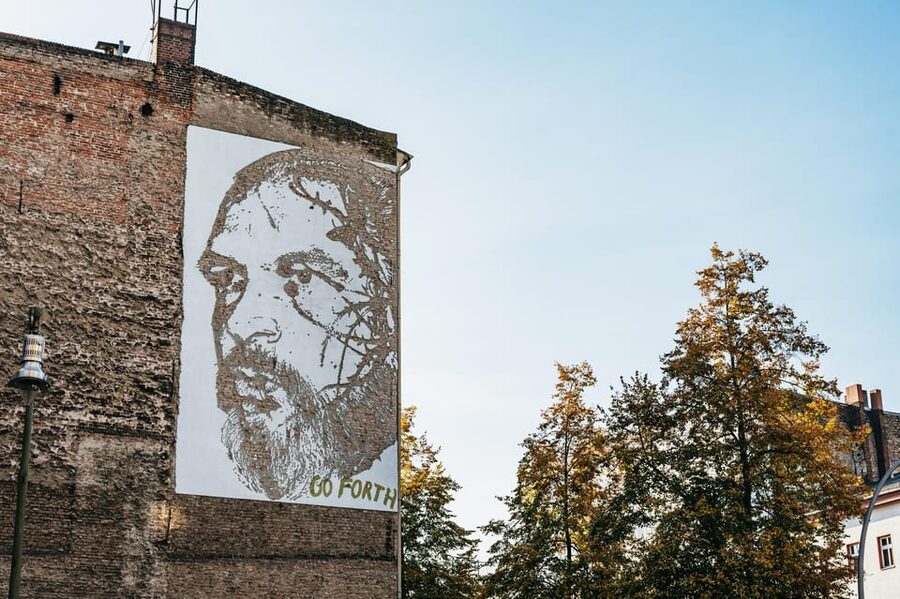
On Nollendorfstraße, the route passes the former home of novelist Christopher Isherwood. His writing became an important part of the Gay Liberation movement, making this a natural stop on a tour that links personal stories, literature, and public history.
The address gives the guide a way to connect the history of the neighborhood with the people who lived and worked there. It also broadens the tour beyond clubs and political organizing. Literature can preserve how a place felt and how people understood their own lives, giving you another way to approach the period.
As with other stops, this is a look at a former address rather than a house museum. You won’t need to set aside extra time for an interior visit. Instead, listen for the guide’s explanation of Isherwood’s place in the story and how his work later resonated with gay liberation.
Walk the lesbian quarter and today’s Schöneberg
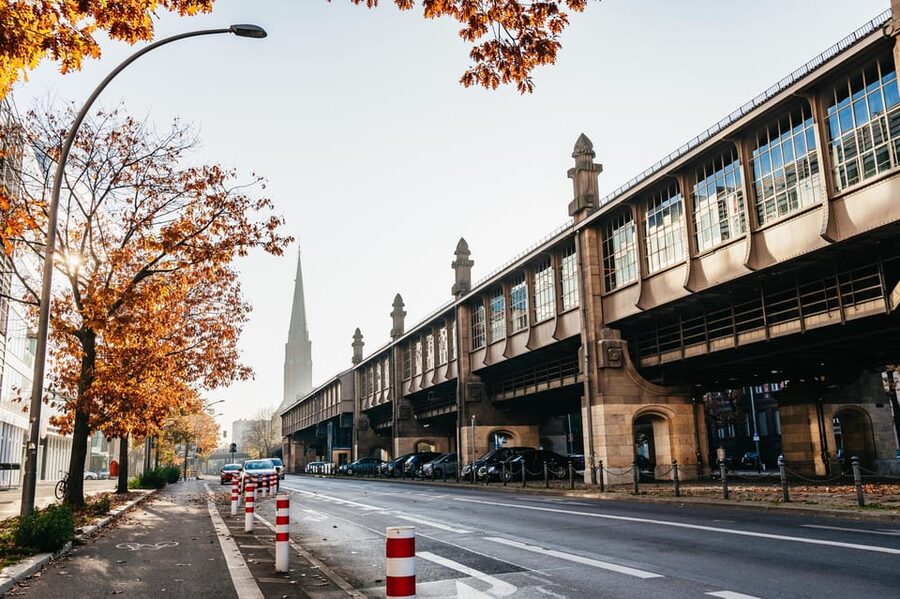
The tour does not end with the interwar years. It follows Schöneberg’s return as West Berlin’s gay district from the late 1960s onward, bringing the story closer to the neighborhood you see today. That later chapter matters because it shows that local queer life was not a single historic moment. The area changed, and its community found new ways to gather and be visible.
A walk through the lesbian quarter on Schwerin Straße makes the route more inclusive than one focused only on men’s venues and well-known male figures. The tour also includes stories about trans, intersex, and gender-nonconforming people, according to the experience described by participants. If you want a broad introduction to queer Berlin rather than a narrow account of gay nightlife, this wider scope is a strength.
Eisenacher Straße offers another view of the neighborhood’s varied life. The walk moves through streets that still reflect Schöneberg’s LGBTQ+ identity, alongside everyday local businesses and street life. You may find that the most interesting part is the contrast between the historical stories and the ordinary present-day details around you.
Guides also bring in local architecture, street art, cafés, shops, and community spaces. These touches help the walk feel rooted in the area rather than like a lecture delivered outdoors. If you have time after the tour, a nearby queer café or bookshop can be a fitting place to continue exploring, though food and drinks are your own expense.
More LGBTQ-friendly tours in Berlin:
- Berlin’s Gay, Lesbian, and Queer Scene Small-Group Walking Tour
★ 4.5 · 66 reviews - Street Art & Berlin Gay, Queer, Trans History + Free Gay Map
★ 4.9 · 15 reviews - Queer Berlin Tour: Birthplace of LGBTQ+ Movements
★ 5.0 · 6 reviews - Berlin: BKA Theater “Operetta for two gay tenors”
★ 4.0 · 4 reviews
What the guide adds to the walk
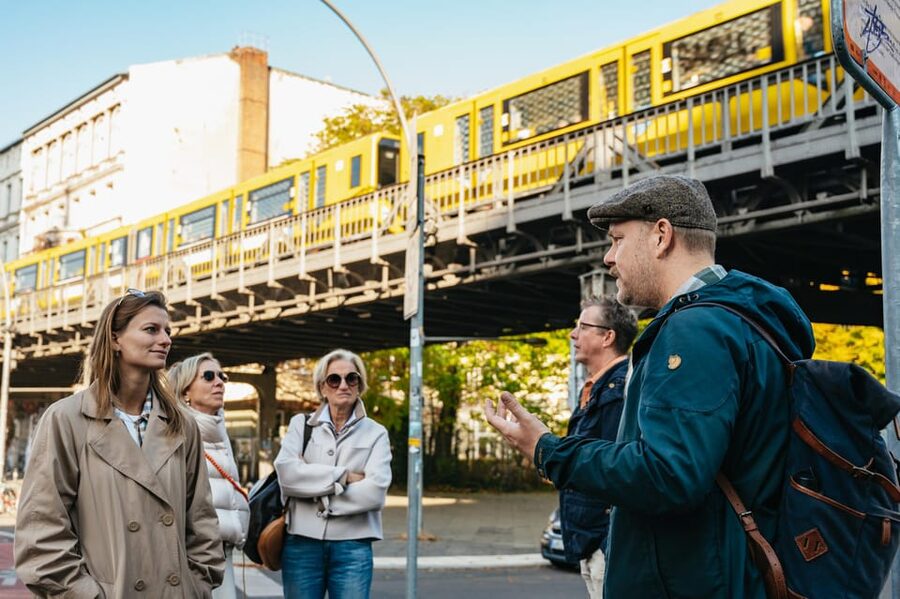
The guide is central to this experience. The tour is offered in German and English, and Tobias is the guide named in many accounts of the walk. He is described as personable, funny, patient, and deeply prepared, with personal anecdotes that add another layer to the history. When he leads your tour, expect time for questions and a conversational approach rather than a script that never stops.
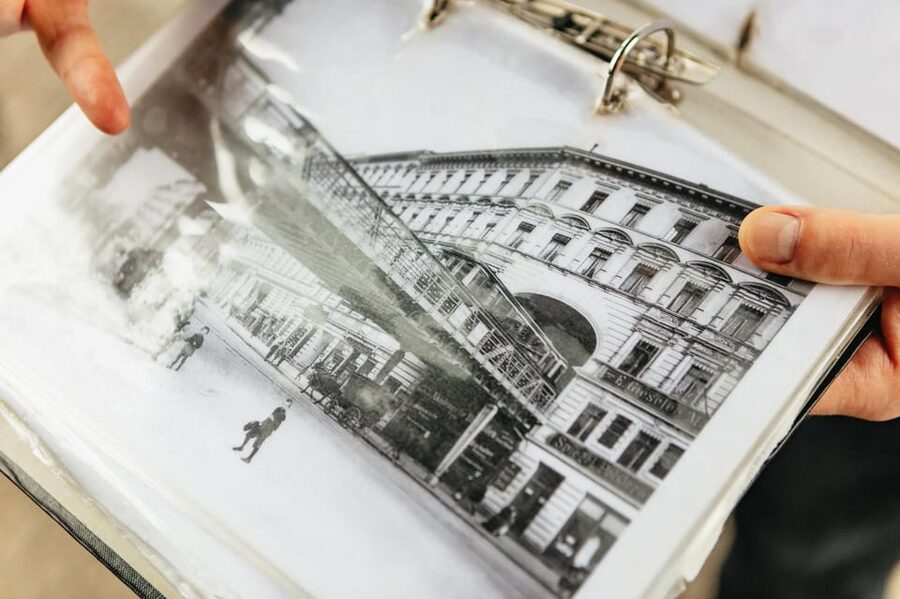
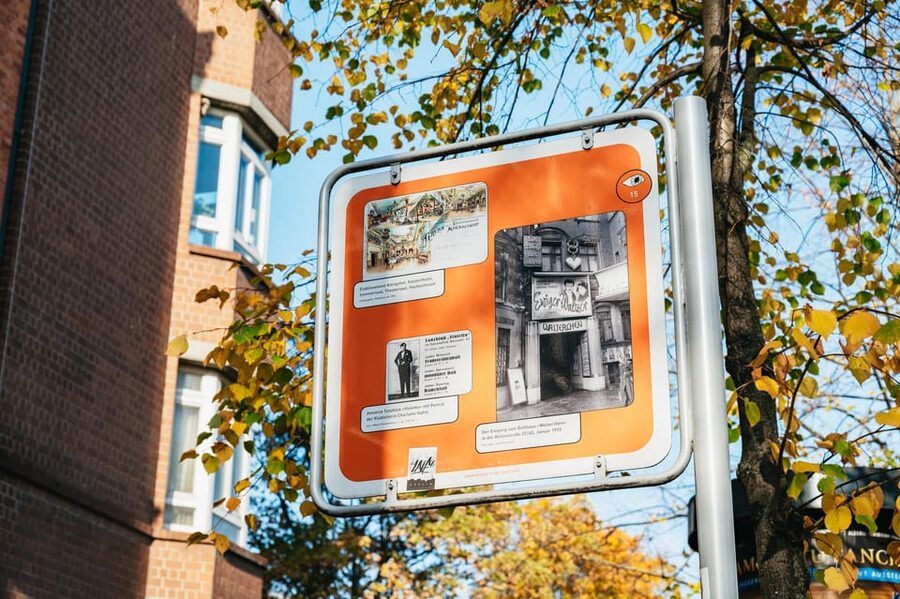
Archive images and text are another useful feature. These materials can help you picture former venues and people whose stories might otherwise feel remote. The guide’s mix of visual aids, historical detail, and personal perspective is particularly valuable when the buildings have changed or the clubs have disappeared.
The subject calls for care as well as energy. The tour covers difficult parts of queer history, and the guide is described as handling sensitive subjects thoughtfully. That balance helps keep the walk engaging without making the past feel like a sequence of entertaining anecdotes.
The group size is not specified, so don’t assume a private or small-group format. Special dates, times, and meeting points can be arranged for you and your group by telephone. The standard meeting point can vary depending on the option booked, so check the details for the departure you choose.
Is $23 a fair price for 2.5 hours?
At $23 per person, this is a solid-value walking tour if you want a focused introduction to Schöneberg’s queer history. The price covers the guide and the 2.5-hour walk. You are paying for local interpretation and the links between places, not admission to attractions or a meal.
The route’s value comes from its combination of historical periods and perspectives. You hear about the 1920s gay rights movement, the El Dorado cabaret, Isherwood’s former home, the lesbian quarter, and the neighborhood’s revival from the late 1960s. Trying to assemble those connections from addresses alone would take time and research, and you might miss how they relate to one another.
The main cost to plan around is your own food and drink. No refreshments are included, so eat beforehand or bring what you need. The tour lasts long enough that this is worth thinking about, especially if you are joining in cold or wet weather. Guides have adapted the pace and made comfort stops on challenging days, but dress for the conditions rather than counting on the weather to cooperate.
The activity is listed as wheelchair accessible. Since the precise meeting point can vary, confirm the departure details when booking if access arrangements are important to you. Starting times are available through the booking calendar. You can reserve without paying immediately, and cancellation up to 24 hours ahead qualifies for a full refund.
Who should take this tour?
I’d recommend it to anyone curious about LGBTQ+ history, Berlin’s interwar years, or how a neighborhood’s identity changes over time. It is also a good choice if you want to see a side of Berlin beyond the city’s best-known monuments. The route makes local history tangible without requiring you to already know the names or the timeline.
You do not need to identify as LGBTQ+ or arrive with a background in queer history to get something from the walk. The guide’s role is to explain the places and people in a way that welcomes questions. The tour can also work well early in a Berlin visit, since its local references may prompt you to explore Schöneberg further afterward.
It may be less suitable if you prefer indoor attractions, want a fast overview of all of Berlin, or are mainly looking for nightlife. This is a neighborhood history walk, not a pub crawl or cabaret performance. Its strongest moments come from listening, looking closely at the streets, and letting the guide supply the context.
Should you book the Schöneberg walk?
Book it if you want a thoughtful, place-based account of queer Berlin, especially the 1920s scene and the community’s later return to Schöneberg. The combination of historic club sites, Isherwood’s former address, and the lesbian quarter gives the walk more range than a simple tour of nightlife landmarks.
Skip it if a long outdoor walk is not right for you, or if you expect to enter the former clubs. At $23 for two and a half hours with a guide, it offers good value for a specific subject and an engaging introduction to the neighborhood. Check the meeting point and language before you reserve, then bring comfortable shoes and an open mind.
FAQ
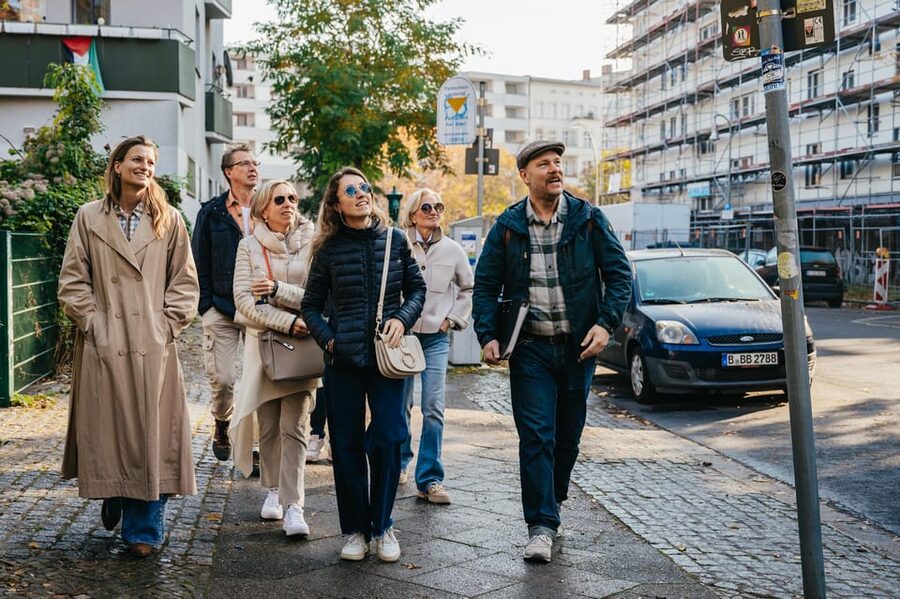
How long is the tour?
The walking tour lasts 2.5 hours.
What languages are offered?
The live guide speaks German or English. Check the available language and starting time when choosing a tour.
What places does the walk include?
Stops and locations include Nollendorfplatz, the former Hollandais club, Kleist Casino, Nationalhof, the former El Dorado cabaret site on Motzstraße, and Christopher Isherwood’s former home on Nollendorfstraße. The route also covers Schwerin Straße and Eisenacher Straße.
Is the tour wheelchair accessible?
Yes, the activity is listed as wheelchair accessible. The meeting point may vary by booking option, so confirm your departure details if you need to plan for access.
Are food and drinks included?
No. The guide and walking tour are included, but food and drinks are not.
Can I cancel or pay later?
You can reserve now and pay later. You can cancel up to 24 hours before the tour for a full refund.
Newest tours in Berlin
- Berlin: guided canoe | kayaktour★ 4.1 · 7 reviews
- Understanding Kreuzberg: The roots of local (sub)culture★ 4.9 · 11 reviews
- Where It All Began: Berlin’s Queer & Trans History Tour★ 4.9 · 6 reviews
- Warnemünde Shore Excursion: Private Sachsenhausen and Berlin Tour★ 5.0 · 12 reviews
- Ultimate E-Bike Tour of Berlin with Beer Garden Stop★ 5.0 · 4 reviews
- Private Potsdam City Tour in an authentic vintage van★ 5.0 · 14 reviews
- Transfer from Berlin Schönefeld Airport (SXF) to Berlin city Hotels – ROUND TRIP★ 4.0 · 3 reviews
- Potsdam Highlights – Private sightseeing tour by minibus★ 5.0 · 3 reviews
Berlin Walking Tours, compared.

Third Reich Berlin: Hitler and WWII Walking Tour
Read our review →

Explore Berlin: Walking Tour of All The Iconic Sites
Read our review →Browse the lists this tour appears in