
Reviewed · BERLIN MUSEUM TICKETS
Berlin: Museum Europäischer Kulturen Entry Ticket
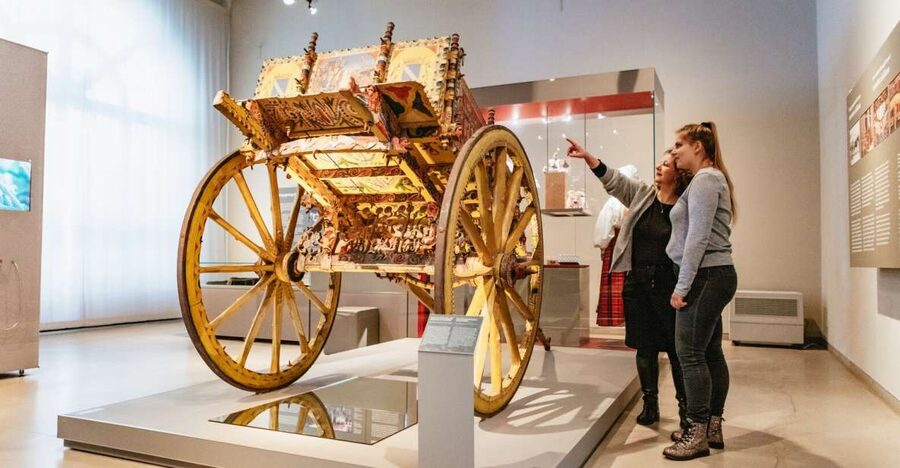
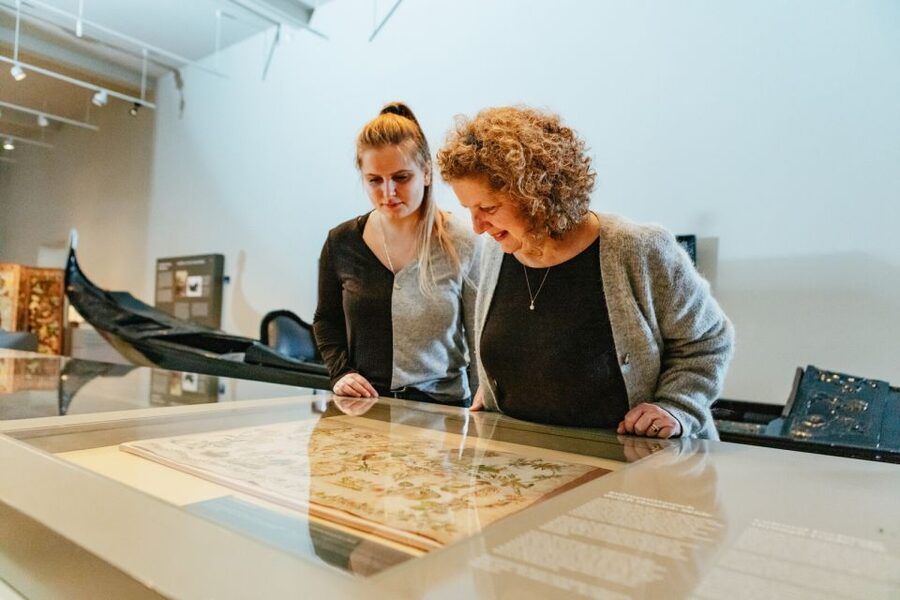
Berlin’s Museum of European Cultures looks at Europe through the things people make, use, wear, eat, and share. Rather than tell the continent’s story through kings and borders alone, it traces daily life from the 18th century to today, connecting objects with the cultures and artistic traditions behind them.
I like two things about this visit: the everyday focus, which can make broad cultural change feel close at hand, and the mix of permanent and temporary exhibitions, which gives you both a long view and a chance to encounter current themes. The permanent show, Cultural Contacts: Living in Europe, draws on collection objects and research linked to a contemporary public study.
One point to weigh before booking: the ticket is non-refundable, and the museum is not suitable for wheelchair users. Backpacks are not allowed, so plan to arrive without one or check what storage options are available before you go.
- Everyday objects tell the story: Explore European arts, crafts, music, food, and daily culture from the 18th century onward.
- A permanent exhibition connects past and present: Cultural Contacts: Living in Europe uses collection material and contemporary research.
- Temporary shows can address current issues: Past subjects have included fast versus slow fashion, though that exhibition dates to 2020 and may no longer be on display.
- The ticket costs $11 per person: It includes museum entry and the permanent exhibitions.
- Plan around closing time: The museum closes at 5:00 PM Tuesday through Friday and 6:00 PM Saturday and Sunday.
- Travel light: Backpacks are not allowed, and wheelchair users may find the museum unsuitable.
Reading Europe Through Everyday Objects
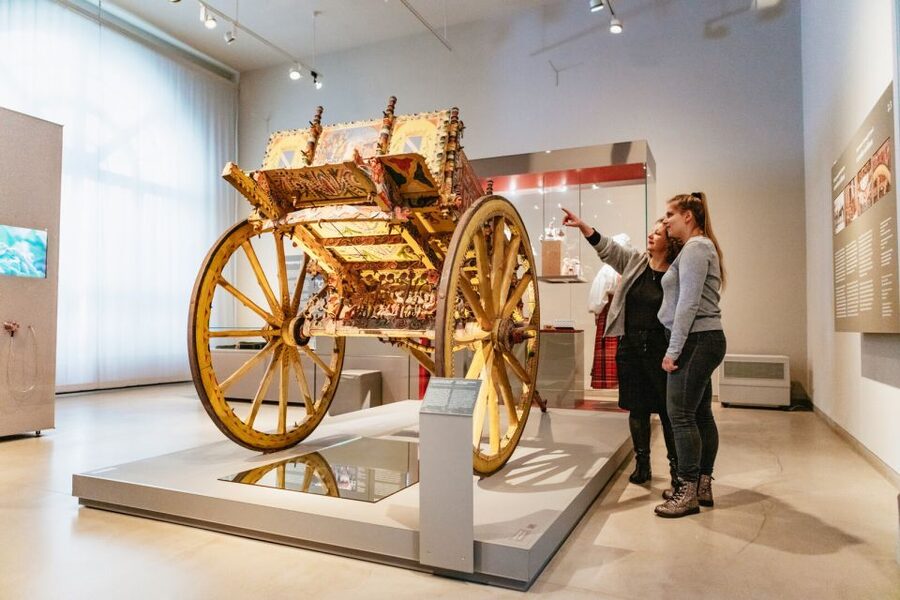
The museum’s subject is broad, but its point of view is practical. Objects from daily life can show how people worked, dressed, made things, celebrated, and fed themselves. That gives you a way into European culture that feels less abstract than a timeline of rulers or wars.
The collections cover material dating from the 18th century to the present. You can expect to encounter arts and crafts, music, and culinary culture alongside objects that speak to social habits and artistic traditions. The value is in seeing these subjects together: daily life is rarely just about one object or one national tradition.
The museum also frames Europe as a place of contact between cultures. That matters because borders do not neatly contain customs, styles, or ideas. As you look at the objects, consider what they suggest about exchange and shared experience, as well as the differences between communities.
Starting With Cultural Contacts: Living in Europe
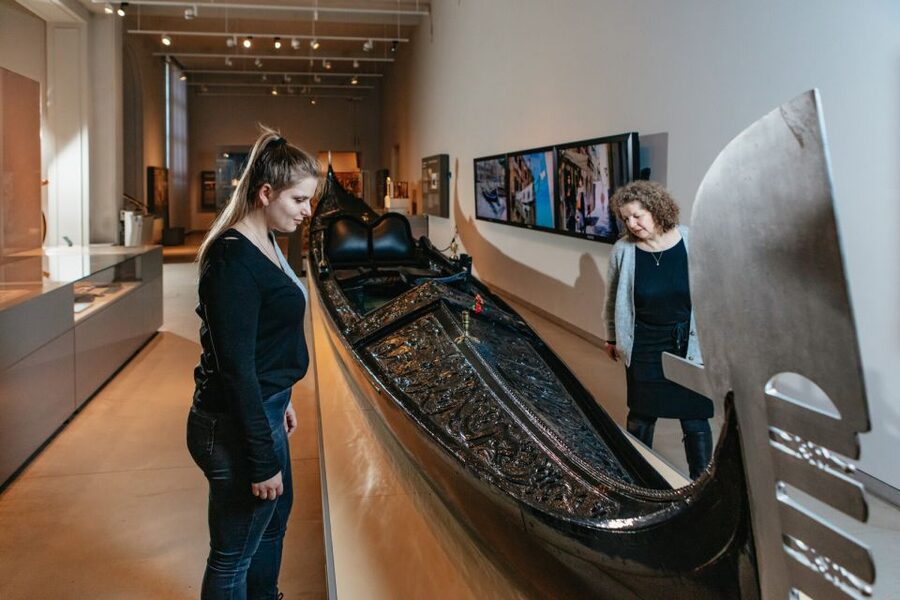
The permanent exhibition, Cultural Contacts: Living in Europe, is the clearest anchor for a first visit. It brings together sections of the museum’s collections and research from a public study known as the Contemporary Showcase. The stated focus is on how people live in Europe and how cultures meet.
That pairing of collection and research gives the exhibition two useful angles. Historical objects can show how practices and traditions have changed, while contemporary material brings the subject closer to the present. You are not only looking backward; the exhibition also asks you to think about how cultural life is shaped now.
The museum does not provide a fixed route or a set visit duration, so you can give the permanent show as much or as little time as suits you. If you are short on time, I would start here, since it is the main exhibition included with your ticket and offers a frame for the rest of the visit.
More museum visits in Berlin:
- Berlin: Jewish Museum Berlin Entrance Ticket
★ 4.5 · 8,393 reviews - Berlin: DDR Museum Tickets
★ 4.3 · 3,443 reviews - Berlin: Natural History Museum Entrance Ticket
★ 4.6 · 3,382 reviews
From Crafts and Music to Food
The subject matter ranges across the practical and expressive sides of life. Arts and crafts point to the skills people use to make useful or decorative things. Music and culinary culture bring in forms of expression that are often shared within families and communities, then adapted as people and ideas move.
This variety is a strength for anyone who prefers cultural history to feel tangible. You do not need specialist knowledge to begin asking questions: Who made this? What was it used for? What does it say about the time and place it came from? Those questions help turn a collection of objects into a story about people.
The range also means you should not expect every display to follow one narrow subject. The experience is about European everyday culture as a whole, so the displays may shift between forms of art, practical objects, and social themes. If you prefer a single focused topic, a temporary exhibition may offer a more concentrated visit when one is on display.
Temporary Exhibitions and Changing Subjects
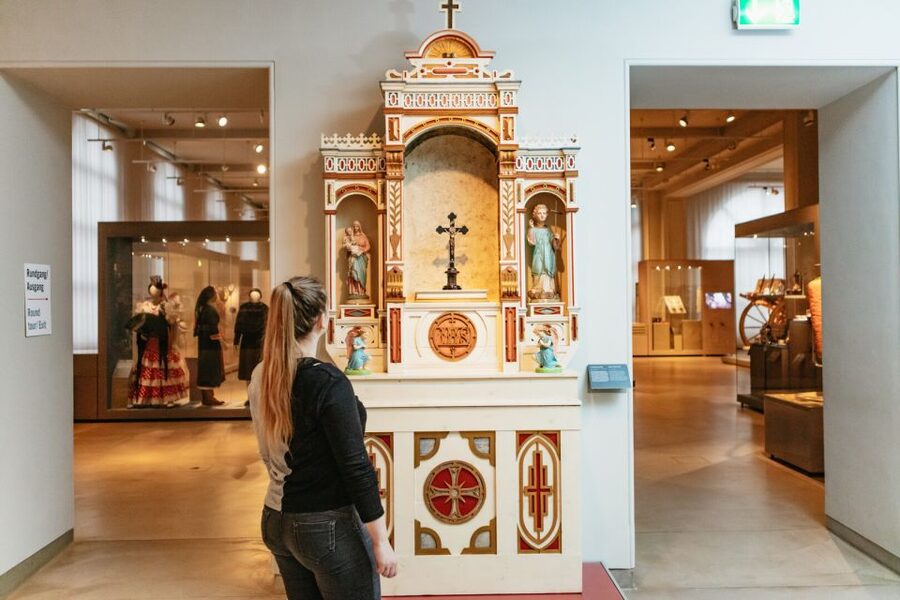
Alongside its permanent exhibition, the museum presents temporary shows. Their subjects can bring a sharper focus to current debates and cultural questions. A past exhibition, for example, considered fast and slow fashion, linking everyday choices with wider questions about how things are made and used.
That fashion exhibition was on view in 2020, so do not assume it is still showing. The useful point is that temporary displays can make the museum’s broad subject feel timely and specific. Check what is currently on before you go if you want to plan around a particular theme.
The ticket information confirms entry to the museum and permanent exhibitions, but does not clearly state whether every temporary exhibition is included. If a temporary show is the main reason for your visit, check its admission details before buying. This is a small but important distinction when comparing the $11 ticket with the visit you have in mind.
How to Make the Visit Meaningful
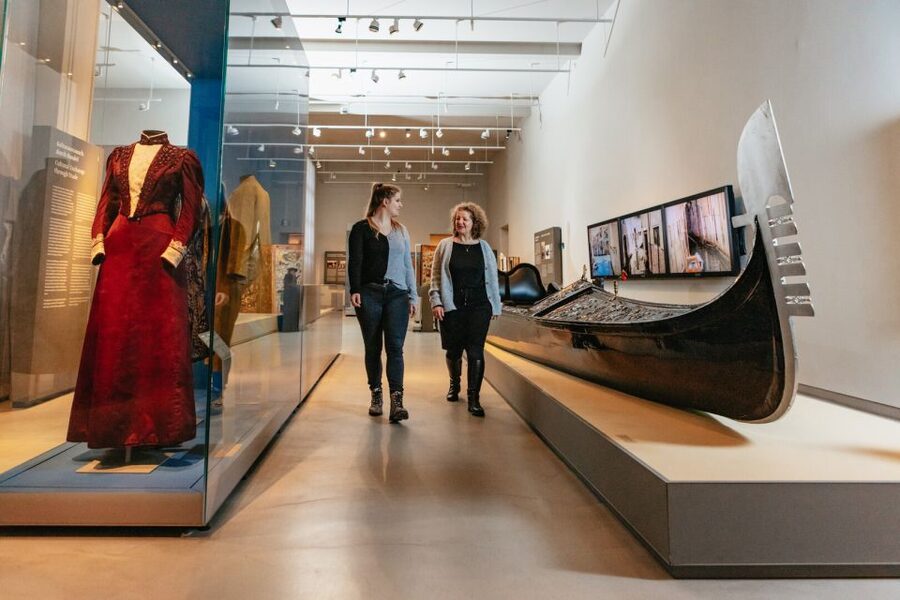
You can approach the collection as a series of contrasts: past and present, local tradition and cultural contact, handmade craft and modern practice. Instead of trying to absorb every object, pause over the ones that make you curious. Ask what they reveal about ordinary routines, and what might have changed or stayed familiar over time.
It also helps to keep the museum’s broad scope in mind. A display about food, music, or craft is not simply a collection of attractive things; it is part of a larger account of how Europeans live and express identity. The permanent exhibition’s focus on cultural contact gives you a helpful lens for making those connections.
There is no stated guided-tour component, guide name, or fixed itinerary with this ticket. You are buying entry, not a scheduled program. That suits independent visitors who like to move at their own pace, but anyone who wants expert commentary or a structured tour should not assume it is part of the experience.
More tickets and passes in Berlin:
- Berlin: Berlin Story Bunker Entry Ticket
★ 4.6 · 6,759 reviews - Berlin: Illuseum Berlin Entrance Ticket
★ 4.1 · 3,970 reviews - Berlin: Madame Tussauds Admission Ticket
★ 4.6 · 3,941 reviews - Berlin: Neues Museum Entry Ticket
★ 4.6 · 3,261 reviews
Is $11 Good Value?
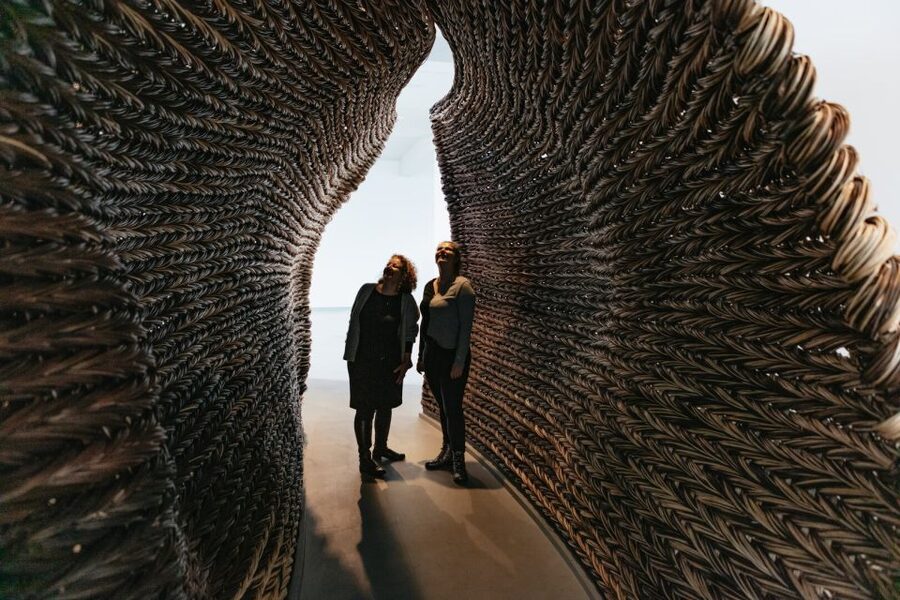
At $11 per person, the ticket is a modest way to spend part of a day with European cultural history. Its value depends less on the number of objects you see than on whether you enjoy learning through material culture: crafts, music, food, and the objects of ordinary life. If those subjects interest you, the permanent exhibition gives the ticket a clear purpose.
The one-day validity gives you room to fit the museum into a day in Berlin, but it does not mean you can visit at any hour. Closing time is 5:00 PM Tuesday through Friday and 6:00 PM on Saturday and Sunday. No Monday closing time or specific starting time is provided, so check availability for the day you plan to go.
Keep the non-refundable policy in mind when weighing the price. The ticket includes entry and the permanent exhibitions, but the available details do not promise admission to every temporary show. For a straightforward visit focused on the permanent collection, $11 is easy to assess; for a visit built around a special exhibition, confirm its terms first.
Practical Details Before You Go
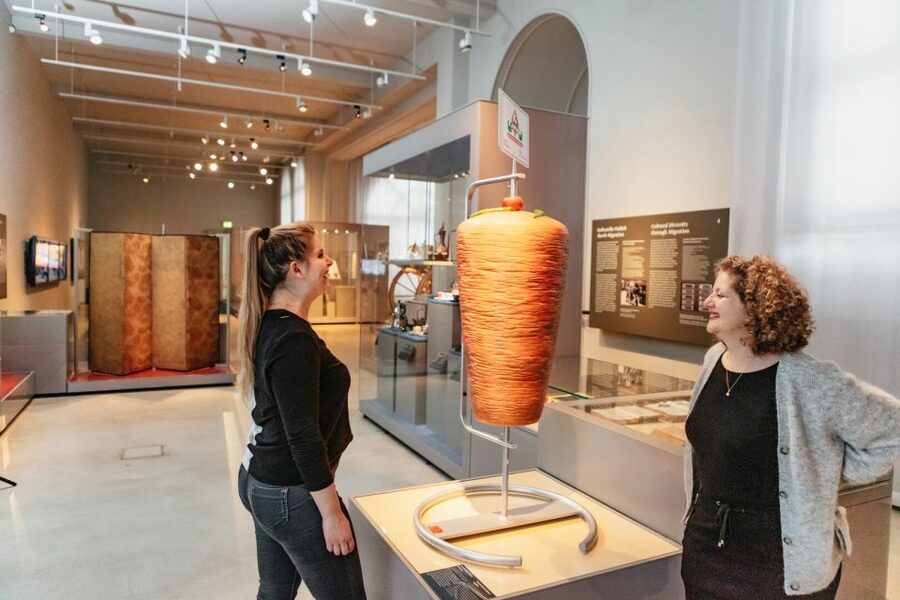
Leave your backpack behind. Backpacks are not allowed, and the information provided does not specify whether the museum offers a cloakroom or lockers. If you will be carrying one, check storage arrangements before setting out rather than assuming you can bring it inside.
A medical or FFP2 mask is recommended but not mandatory. The museum is not suitable for wheelchair users, so this is a significant consideration for anyone who needs step-free or wheelchair-accessible facilities. No further accessibility details are provided.
The ticket is valid for one day, and you should check availability for starting times. The listed closing times are 5:00 PM Tuesday through Friday and 6:00 PM Saturday and Sunday. Give yourself enough time to see the permanent exhibition without rushing, especially if you also hope to visit a temporary show.
Who Should Book This Museum Ticket?
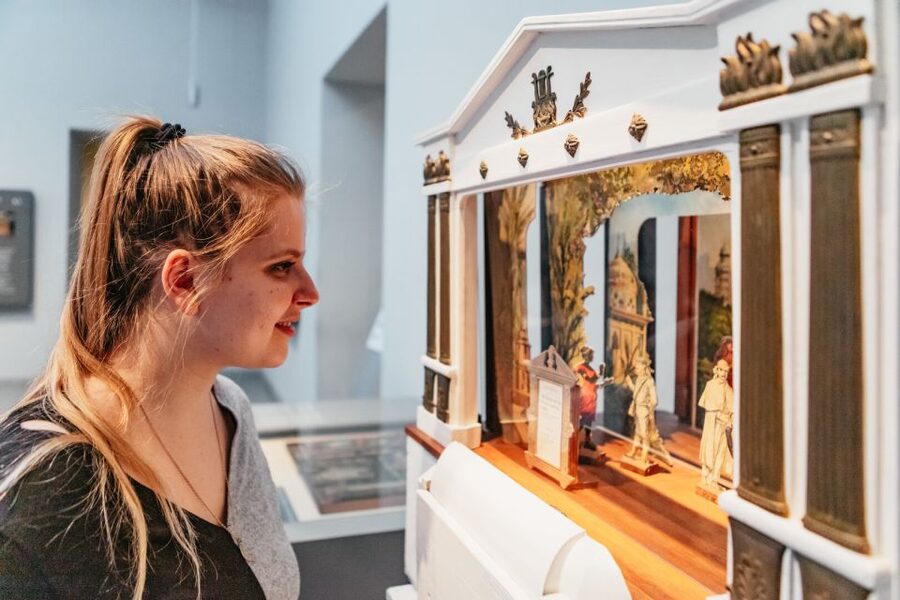
This is a good fit if you enjoy cultural history told through the things people make and use, or if you want a museum visit that reaches beyond famous monuments and political events. The broad mix of arts, crafts, music, and food gives you several ways into the subject, while the permanent exhibition links historical collections with contemporary research.
It may be less satisfying if you want a guided experience, a fixed route, or guaranteed access to a particular temporary exhibition. The ticket details do not include a guide or specify temporary-show admission. Accessibility is another clear limitation for wheelchair users, and backpack restrictions call for a little planning.
I would book if the everyday side of European culture interests you and the permanent exhibition fits your plans. If a special show is your priority, confirm that it is open and covered by your ticket before paying. At $11, the museum offers a worthwhile, focused look at how culture takes shape in ordinary life, with a few practical checks to make first.
FAQ
What does the $11 ticket include?
It includes entry to the museum and its permanent exhibitions.
How long is the ticket valid?
The ticket is valid for one day. Check availability for starting times.
What is the permanent exhibition called?
The permanent exhibition is called Cultural Contacts: Living in Europe.
Does the museum have temporary exhibitions?
Yes. The museum presents temporary exhibitions as well as its permanent exhibition. The ticket information does not specify whether temporary exhibitions are included.
What time does the museum close?
It closes at 5:00 PM Tuesday through Friday and 6:00 PM Saturday and Sunday.
Are backpacks allowed?
No. Backpacks are not allowed.
Is a mask required?
No. Wearing a medical or FFP2 mask is recommended but not mandatory.
Is the museum suitable for wheelchair users?
No. The museum is listed as not suitable for wheelchair users.
Newest tours in Berlin
- Berlin: guided canoe | kayaktour★ 4.1 · 7 reviews
- Understanding Kreuzberg: The roots of local (sub)culture★ 4.9 · 11 reviews
- Where It All Began: Berlin’s Queer & Trans History Tour★ 4.9 · 6 reviews
- Warnemünde Shore Excursion: Private Sachsenhausen and Berlin Tour★ 5.0 · 12 reviews
- Ultimate E-Bike Tour of Berlin with Beer Garden Stop★ 5.0 · 4 reviews
- Potsdam Highlights – Private sightseeing tour by minibus★ 5.0 · 3 reviews
- Private Potsdam City Tour in an authentic vintage van★ 5.0 · 14 reviews
- Transfer from Berlin Schönefeld Airport (SXF) to Berlin city Hotels – ROUND TRIP★ 4.0 · 3 reviews
Berlin Museum Tickets, compared.


Skip-the-Line: Berlin Wall Museum at Checkpoint Charlie
Read our review →

Browse the lists this tour appears in