
Reviewed · BERLIN TOURS
Where It All Began: Berlin’s Queer & Trans History Tour
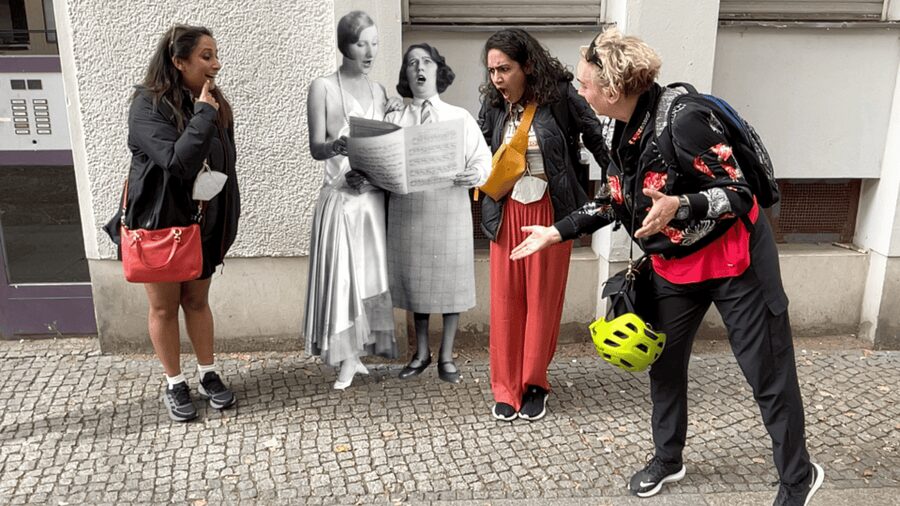
Berlin’s queer history is not tucked away in a museum. It runs through the streets around Nollendorfplatz, where this three-hour walk connects early LGBTQIA+ activism, trans lives, lesbian nightlife and queer resistance under the Nazis. The tour’s 200-plus archival images, videos and rare audio clips give those stories faces and voices.
I like two things especially: the tour pairs serious history with interactive touches, including quizzes and AR selfies with historic figures, and its small group size makes room for questions. Jeff, the guide named in visitor accounts, is described as warm, inclusive and passionate, with a knack for making the material both informative and at times funny.
One consideration: this is an adult tour with frank and sometimes painful subject matter, including Nazi persecution, racism, HIV/AIDS, sex work and sexual violence. It is not suitable for children under 18, and some stops may have bright lights or loud noise.
- Early rights activism: Follow the stories of Karl Heinrich Ulrichs and Magnus Hirschfeld, pioneers of the first LGBTQIA+ rights movement.
- Trans and non-binary history: Learn about early gender-affirming surgeries and the use of transvestite certificates.
- Berlin nightlife: Hear about lesbian bars, cabarets and queer clubs, from the 1920s to the present.
- History on screen: Use archival photos, video, audio, quizzes and AR scenes to put faces and voices to the past.
- A compact group: The tour is limited to 10 people, with an English-speaking guide.
- A clear-eyed account: The route also addresses Nazi persecution, AIDS activism and the many forms of queer resistance.
A street-level introduction to queer Berlin
The tour starts outside Alnatura Super Natur Markt at Nollendorfplatz, at Else-Lasker-Schüler-Straße 18. From there, it sets out to tell more than 150 years of LGBTQIA+ history through places and stories connected to Berlin’s queer life.
That street-level format matters. A walk gives you a sense of how history and ordinary city blocks sit together, while the guide’s images and audio help make the past visible where a building or street alone might not explain it. You are not just hearing dates and names; you are being shown archival material alongside the places where the tour unfolds.
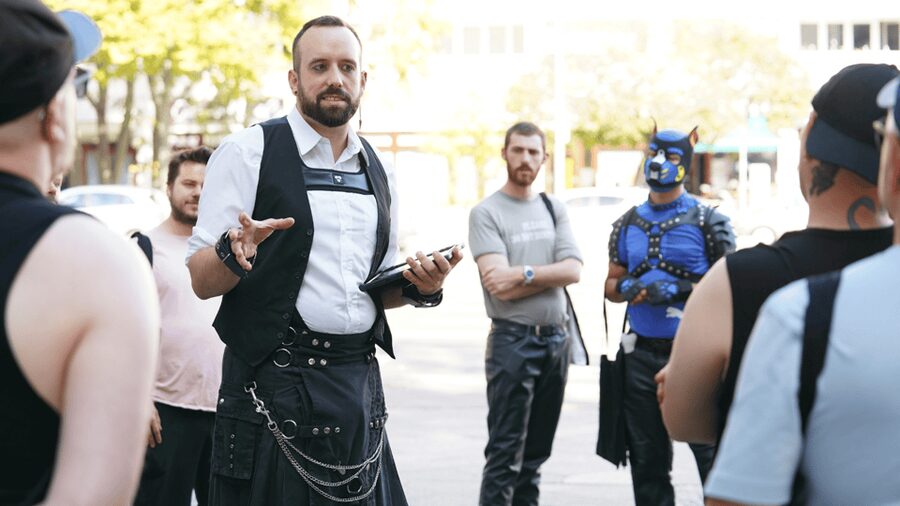
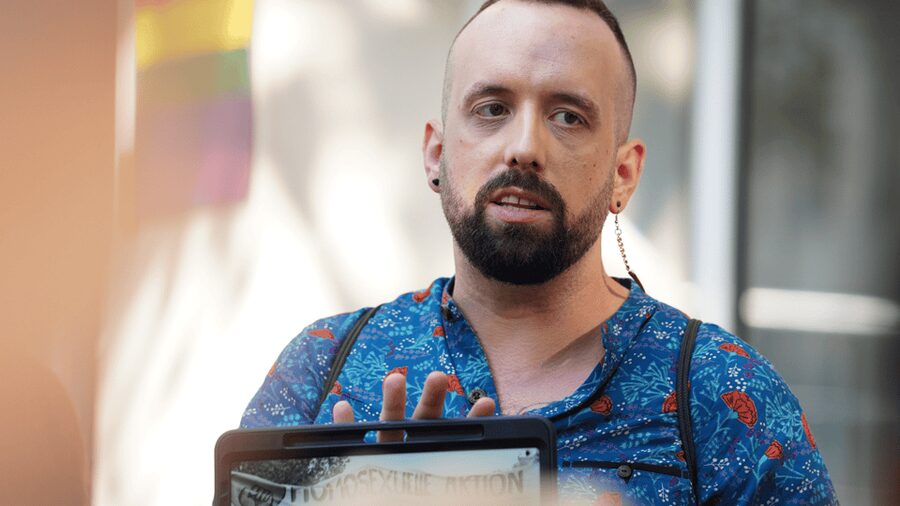
The guide is described as a queer activist, social scientist and certified sex educator. Visitor accounts specifically name Jeff and praise his research, unusual visual material and inclusive manner. He also adapts to the group when circumstances allow, so bring questions if you have them. The route is in English and capped at 10 participants, a useful limit for a topic that invites discussion.
Starting with Ulrichs and the first rights movement
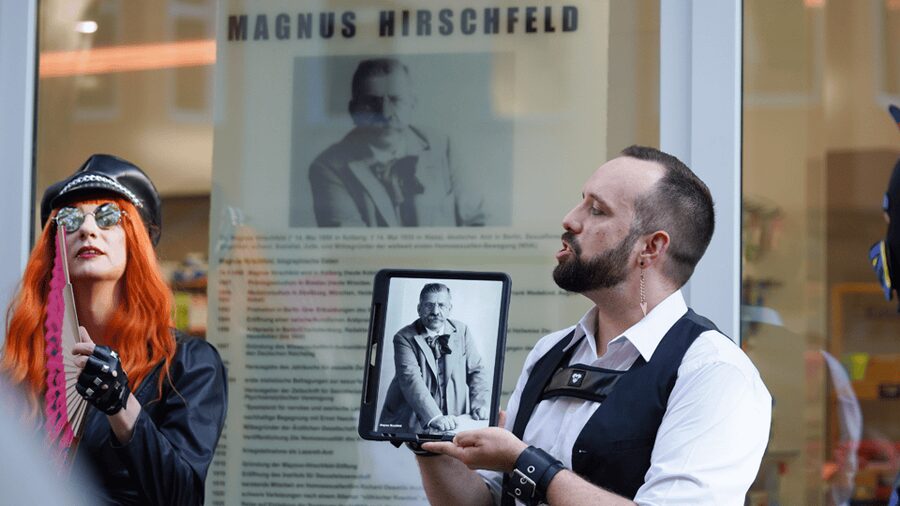
An early stop is Karl-Heinrich-Ulrichs-Straße, where the tour introduces Karl Heinrich Ulrichs and Magnus Hirschfeld. Their work anchors the story of Berlin as a birthplace of the modern LGBTQIA+ movement, and gives the walk a useful starting point: organized activism has a history, not just a set of recent milestones.
The guided segment here is about 10 minutes. That is enough to set the scene, but the tour’s larger value comes from linking this early movement to later stories of identity, nightlife and resistance. If you are new to the subject, listen for how the tour describes changing ideas about sexuality and gender, rather than treating the past as a simple march toward progress.
The route then includes a stop listed as Hidden gem, also around 10 minutes. The exact site is not specified in the tour details, so do not book expecting a named landmark or a particular building interior. Think of it as one of the route’s smaller story stops, where the guide can add context through the archival material.
More history tours in Berlin:
- Berlin: Natural History Museum Entrance Ticket
★ 4.6 · 3,382 reviews - Berlin: World Heritage Cruise to Potsdam
★ 4.5 · 1,435 reviews - Berlin Historical Highlights Walking Tour
★ 4.9 · 657 reviews
Trans lives before the Nazi crackdown
The tour’s account of early trans and non-binary identities is one of its most distinctive subjects. You will hear about the first gender-affirming surgeries and how some trans people lived openly with transvestite certificates. That detail gives you a glimpse of both possibility and constraint: people found ways to live more openly, but their lives were still shaped by laws and social attitudes.
The stories also make the Nazi era’s attempt to erase queer history especially stark. Rather than treating persecution as an abrupt break from an otherwise safe past, the tour connects earlier organizing and visibility with the danger that followed. Expect difficult material, handled as part of the historical story rather than softened into a feel-good account.
The itinerary moves through Schwerinstraße for about 15 minutes, then Nollendorfstraße for about 10. The supplied details do not assign each topic to a particular address, so it is best to think of these as connected stops in the broader walk, not as standalone attractions with a guaranteed story attached to every doorway. The guide’s visual material helps carry the history from one stop to the next.
Lesbian bars, cabarets and public life
Berlin’s lesbian history gets its own place in the tour, rather than being folded into a general nightlife chapter. You will hear about lesbian bars and cabarets in the 1920s, and about women finding community and resistance in a period when public space could carry real significance.
The tour also introduces Claire Waldoff, Marlene Dietrich and Josephine Baker. Their names help open a wider view of queer culture and performance in Berlin, while the stories of lesbian activism extend beyond the city’s prewar nightlife into the periods during and after Nazi rule. The point is not simply that a lively scene existed. It is that queer communities built social worlds, and those worlds faced repeated efforts to suppress them.
Magnus-Apotheke is scheduled for about 20 minutes, followed by a 15-minute segment at Denns BioMarkt. The route does not specify which subject belongs to which stop, so the value here is in the guide’s narrative and the supporting material, not in assuming that every venue has a visible historic marker. The photos, clips and personal quotes help fill in what a street corner cannot show.
Nightlife from the Roaring Twenties to today
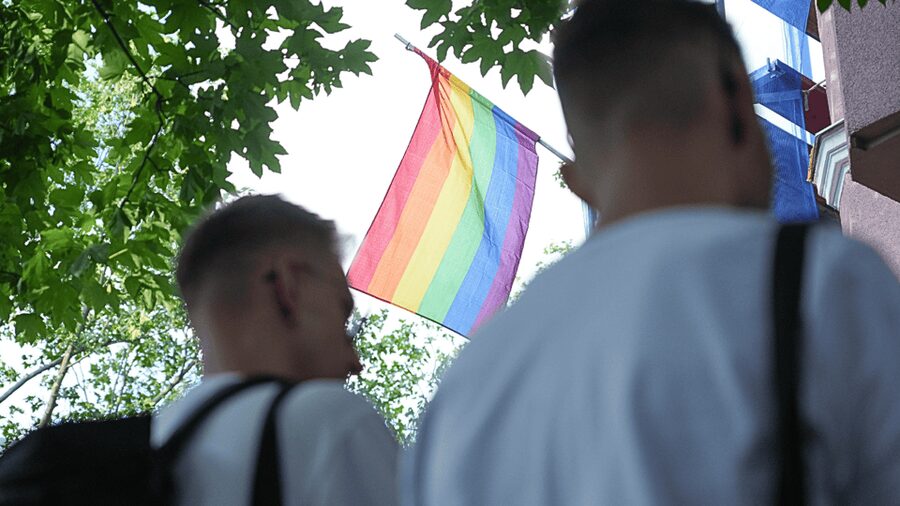
Berlin’s prewar nightlife is a major thread. The tour covers underground drag clubs and cabarets, and explains how the city became a center for LGBTQIA+ expression before the Nazis cracked down on queer life. That contrast is central: the nightlife story is not a detached catalogue of famous clubs, but part of a larger account of visibility, freedom and threat.
A 15-minute stop at Prinz Eisenherz and another 15 minutes at Connection Club lead into the tour’s modern and historical nightlife themes. The itinerary also includes Metropol, where the scheduled guided segment is about 20 minutes. The supplied details do not say exactly which stories are told at each venue, so expect the route to connect these named stops to the wider story rather than promise a specific interior visit.
The tour traces queer nightlife from the 1920s to contemporary Berlin, including Chez Romy Haag and Berghain. It also covers how today’s Pride movements, Dyke March and Folsom Europe carry parts of that legacy forward. If you are interested in club culture, this context can make familiar names mean more: nightlife appears not only as entertainment, but also as a place where people found community and expression.
Same city, a different kind of day:
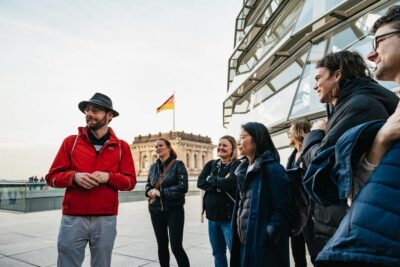
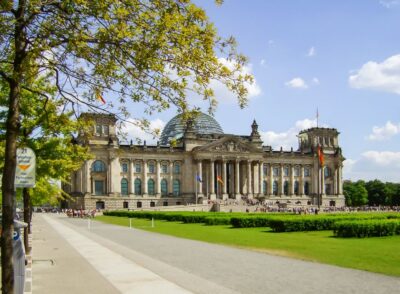
- Berlin: Reichstag, Dome and Government District Guided Tour
★ 4.7 · 18,288 reviews - Berlin: 1-Hour City Tour by Boat with Guaranteed Seating
★ 4.3 · 16,993 reviews - Berlin: Boat Tour Along the River Spree
★ 4.4 · 11,252 reviews - Discover Berlin Half-Day Walking Tour
★ 5.0 · 9,624 reviews
Persecution, memory and the AIDS crisis
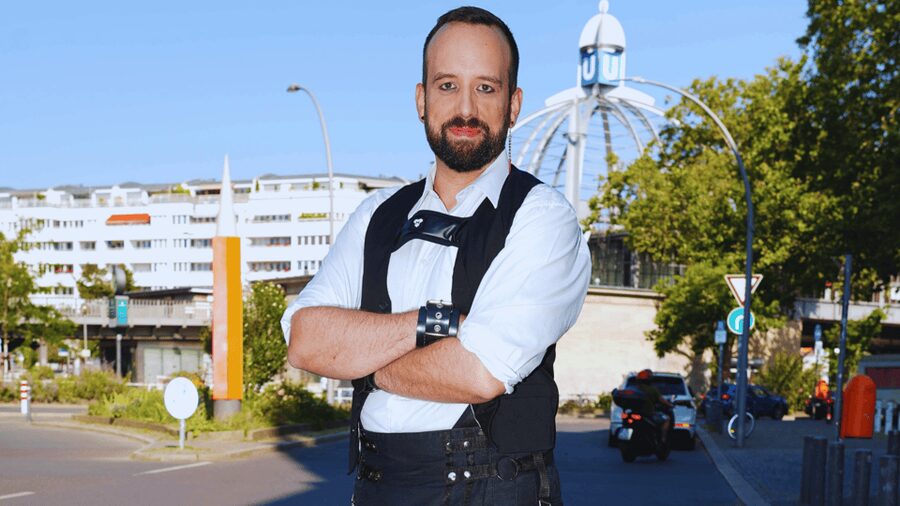
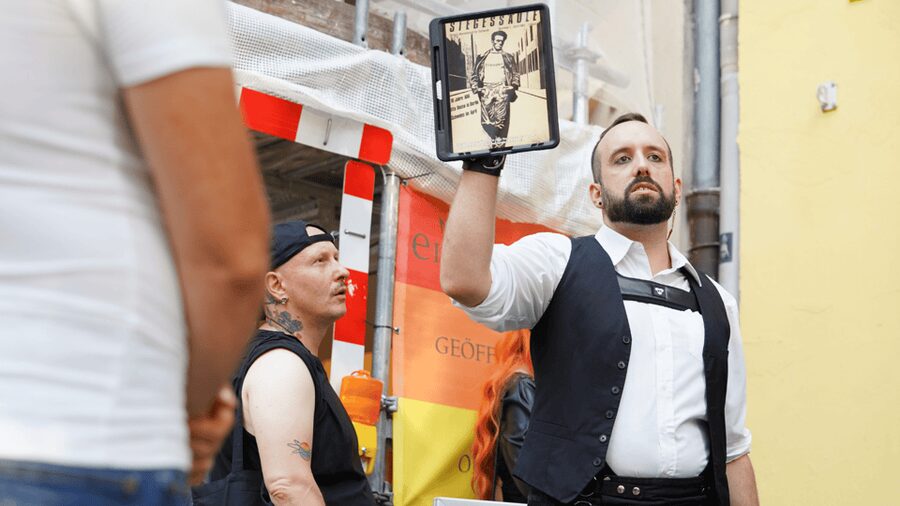
The tour does not skip the darkest chapters. It addresses Hitler’s contradictory stance on homosexuality, the persecution of queer people in concentration camps and the ways queer resistance survived the Nazi era. An important stop is the Internationale Stele GEGEN DAS VERGESSEN, scheduled for about 10 minutes. Its place in the route brings remembrance into the walk itself.
The subject matter is broad and can be upsetting. The content notes include antisemitism, racism, homophobia, transphobia, Nazi mass murder, sexualized violence, violence against children, suicide and poverty. There are also discussions of sex work, BDSM, kinks, fetishes, nudity and sexual abuse. That candor may be valuable if you want a full account, but it is worth knowing in advance and deciding what feels right for you.
The story then moves to queer activism during the AIDS crisis in divided Berlin. You will learn how the community fought for survival and how SchwuZ nightclub became an activist hub. The tour also explains why the Berlin Wall was called the condom of the GDR, an arresting phrase that points to the complicated relationship between politics, public health and everyday life. The stop at Metropol is one of the longer scheduled segments, giving the guide time to connect this later history with Berlin’s club culture.
Multimedia that supports the walking
This is a walking tour with a substantial digital layer. The guide uses more than 200 archival photos, videos, rare audio clips and personal quotes. Videos have subtitles in German, English or both, and the material is intended to help you see and hear details that a spoken account alone could miss.
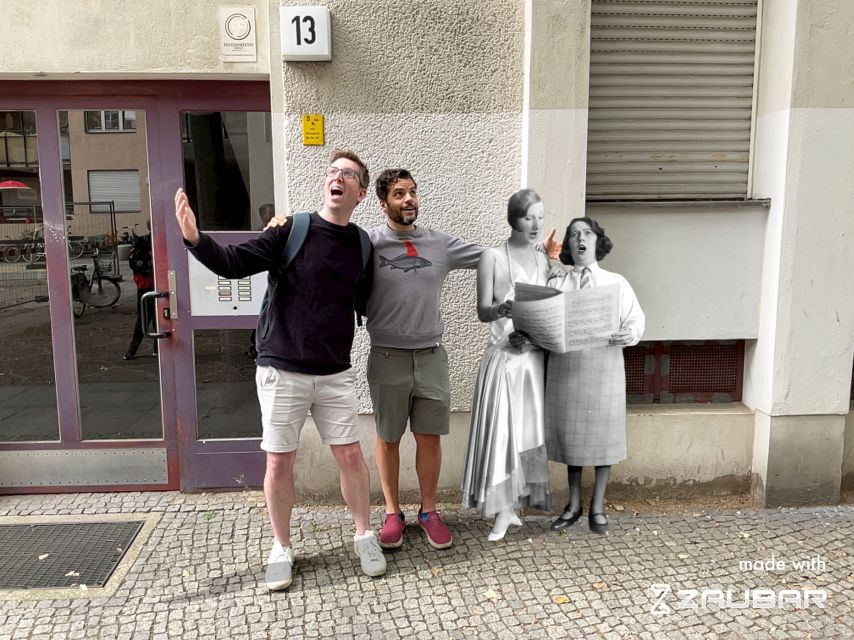
Interactive quizzes offer a break from listening and give you a chance to check what you have picked up. AR scenes and Mixies, personalized AR photos with historic queer figures, add a playful element. They will appeal most if you enjoy trying new technology; they are not the reason to book if you prefer a strictly traditional history walk.
The multimedia approach can also make the subject feel more immediate. One visitor described the combination of video, music, interviews and the walk itself as informative, funny and shocking. That range is a fair guide to the tone: some moments are light, but the difficult history stays in view. If you have a visual disability, the guide can describe the visual materials.
Practical details, pace and value
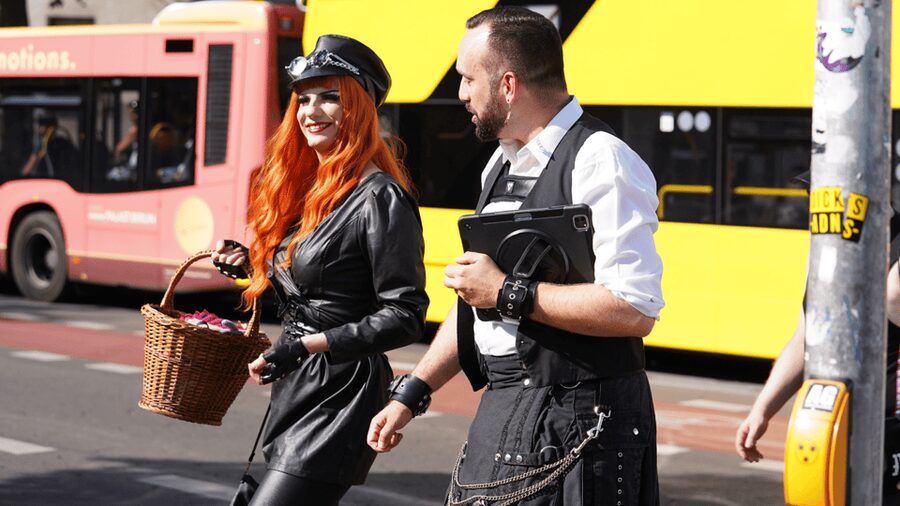
The walk lasts three hours and ends at Nollendorfplatz. Named segments range from about 10 to 20 minutes, with time between stops forming part of the outing. Wear comfortable clothes and dress for the weather. The route is wheelchair accessible, though some paths may be bumpy; accessible toilets are available upon request.
The group limit of 10 is a real advantage for a three-hour tour with layered subject matter. A smaller group makes it easier to hear the guide, ask a question and keep the discussion personal. The guide can also arrange mandatory mask use indoors if needed for health and safety.
At $81 per person, this is not a cheap orientation walk. The price makes more sense if you value the guide’s specialist perspective, the small group and the substantial archive of images, video and audio. You are paying for a focused account of queer and trans history, not just a route between landmarks. If you mainly want a quick look at Berlin’s nightlife district, it may be more than you need; if you want history with context and room for conversation, the three hours have a clear purpose.
Should you book this Berlin history walk?
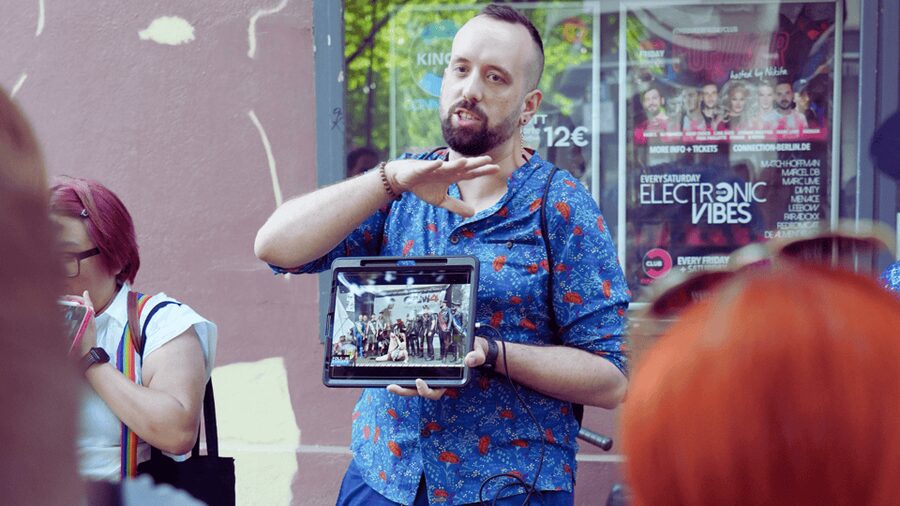
Book it if you want Berlin’s queer past explained with care, and if you are comfortable engaging with both celebratory and painful material. It is especially suited to LGBTQIA+ visitors and allies, history-minded visitors, and Berlin residents who want a fuller connection to the city’s queer heritage.
The strongest reasons to go are the specific focus on trans and lesbian history, the archival media and the small-group format. The main reasons to pause are the adult-only content, the sensitive subjects and the cost. If those fit your interests and comfort level, this offers a thoughtful way to understand how activism, nightlife and resistance shaped queer Berlin.
FAQ
How long is the tour?
It lasts three hours.
Where does the tour start?
Meet outside Alnatura Super Natur Markt at Nollendorfplatz, at Else-Lasker-Schüler-Straße 18.
Where does the tour finish?
It finishes at Nollendorfplatz.
What language is the tour in?
The live tour is in English. Videos include subtitles in German, English or both.
How much does the tour cost?
The listed price is $81 per person.
How large is the group?
The tour is limited to 10 participants.
Is the route wheelchair accessible?
Yes. The route is wheelchair accessible, though some paths may be bumpy. Accessible toilets are available upon request.
What should I bring?
Wear comfortable clothes and dress for the weather.
Is the tour suitable for children?
No. It is not suitable for children under 18.
Does the tour discuss sensitive subjects?
Yes. Topics include Nazi Germany and mass murder, racism, homophobia, transphobia, HIV/AIDS, sex work, sexual violence and other difficult subjects.
Newest tours in Berlin
- Berlin: guided canoe | kayaktour★ 4.1 · 7 reviews
- Understanding Kreuzberg: The roots of local (sub)culture★ 4.9 · 11 reviews
- Warnemünde Shore Excursion: Private Sachsenhausen and Berlin Tour★ 5.0 · 12 reviews
- Ultimate E-Bike Tour of Berlin with Beer Garden Stop★ 5.0 · 4 reviews
- Potsdam Highlights – Private sightseeing tour by minibus★ 5.0 · 3 reviews
- Private Potsdam City Tour in an authentic vintage van★ 5.0 · 14 reviews
- Transfer from Berlin Schönefeld Airport (SXF) to Berlin city Hotels – ROUND TRIP★ 4.0 · 3 reviews
- Love and War in Berlin: Self-Guided Story Puzzle Walk★ 5.0 · 7 reviews
Berlin Tours, compared.
Reichstag, Dome and Government District Guided Tour
Read our review →
1-Hour City Tour by Boat with Guaranteed Seating
Read our review →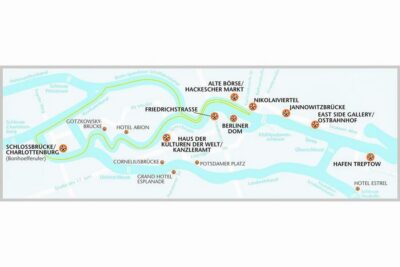
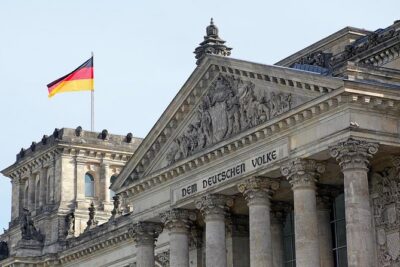
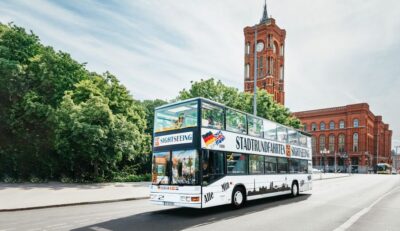
Reichstag, Plenary Chamber, Cupola & Government Tour
Read our review →
Browse the lists this tour appears in