
Reviewed · BERLIN WALKING TOURS
Queer Berlin Walking Tour
Berlin’s queer past is written into its streets: in Schöneberg’s former nightlife spots, at a memorial to people persecuted by the Nazis, and in the Tiergarten, long known as a gay meeting place. This 3.5-hour walk follows those traces through Schöneberg and the Tiergarten, linking personal lives to the city’s wider history.
I like two things especially: the tour gives proper attention to Magnus Hirschfeld’s pioneering work, and it sets queer life beside Berlin’s cabaret culture, political upheaval and changing public attitudes. One consideration: this is a substantial walk, and the tour runs in all weather, so comfortable shoes and a drink are sensible.
Key points
- Schöneberg’s queer history: Explore Berlin’s best-known gay neighborhood and sites linked to its nightlife.
- The former Eldorado: Stop at the site of one of the city’s oldest queer and trans bars.
- Hirschfeld’s work: Learn how his Institute for Sexual Science supported queer and transgender people before the Nazis shut it down.
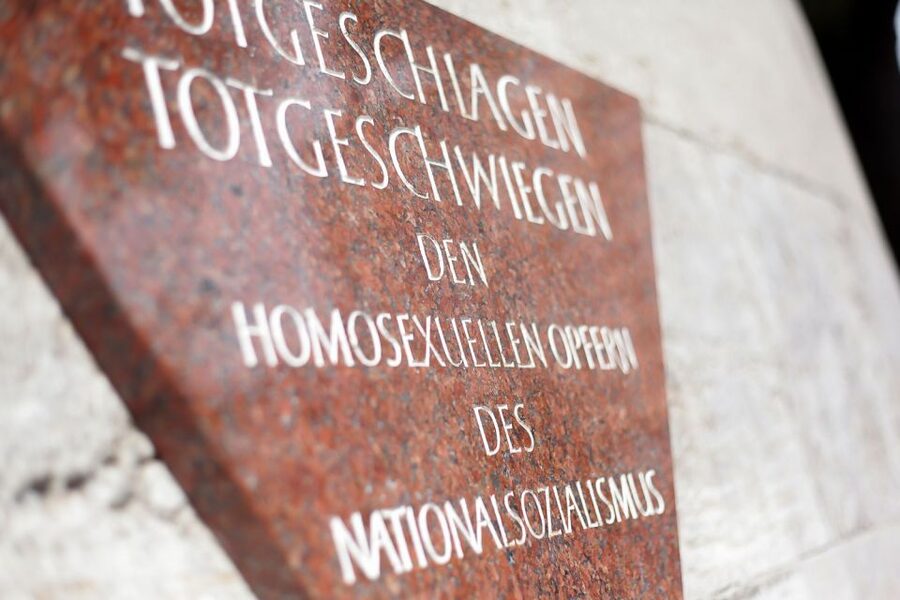
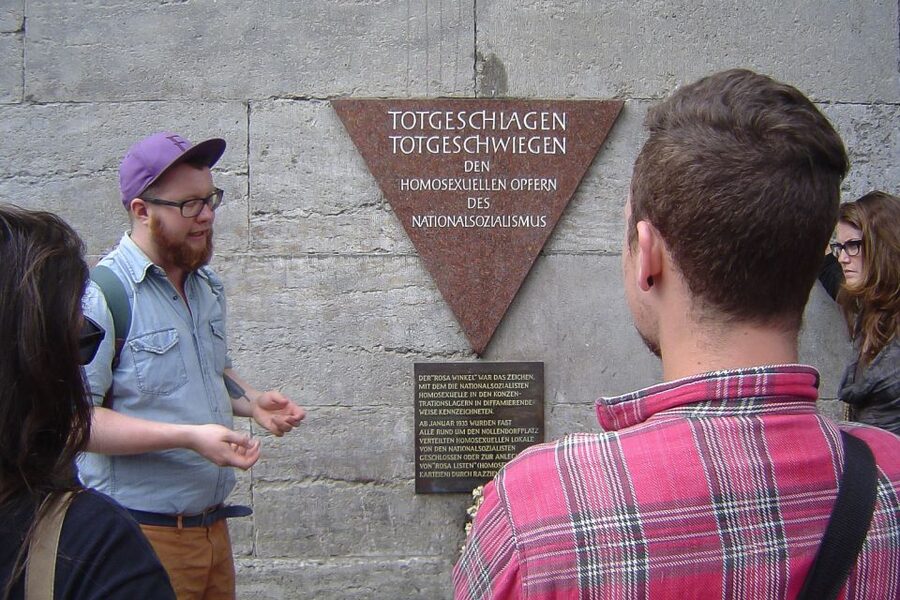
- A difficult history: Visit a memorial to homosexual people persecuted by the Nazis and sent to concentration camps.
- The Tiergarten: Walk through a long-standing gay meeting place, in the shadow of the Berlin Wall.
- A personal guide makes a difference: Past guides have included Tom, Tobi, Finn, Jared and Beth, with the exact guide varying by departure.
Schöneberg: Where Berlin’s Nightlife Took Shape
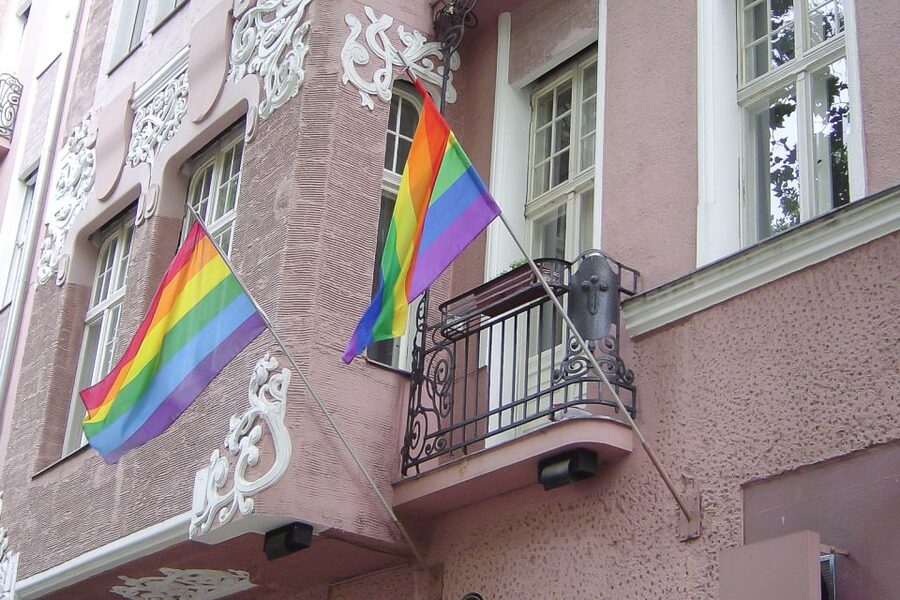
Schöneberg is the natural starting point for understanding why Berlin became known as a queer capital. The tour walks through the neighborhood’s history as a place of queer social life, with stories tied to cabaret, clubs and the people who made the district their home and workplace.
The setting matters. Rather than treating queer history as a side note, the walk connects it to the city’s broader cultural life. You hear about Marlene Dietrich, Christopher Isherwood and artist Otto Dix, whose lives and work intersected with the era’s cabaret and nightlife scene. Their stories help explain how Berlin’s creative reputation was built, and how queer people shaped the city’s public culture.
The former Eldorado is one of the tour’s most telling stops. It was among Berlin’s oldest gay and trans bars, and its site gives the guide a concrete place to talk about queer social life before the Nazi period. The building and its past are more than a backdrop: they help make clear that public gathering places could offer community and visibility, but also existed amid legal and political risks.
Do not expect every historic venue to survive as a working bar or museum. The value here is in understanding what stood there and what it meant. If you want to see a preserved club interior, this is not that kind of tour. If you want the story attached to the street, the stop does its job.
More walking tours in Berlin:
- Discover Berlin Half-Day Walking Tour
★ 5.0 · 9,624 reviews - Berlin: Third Reich and Cold War 2 Hour Walking Tour
★ 4.9 · 6,830 reviews - Berlin: Discover Berlin Walking Tour
★ 4.9 · 5,998 reviews
From Hirschfeld’s Institute to the Nazi Book-Burnings
Magnus Hirschfeld is a central figure in the walk, and rightly so. His Institute for Sexual Science offered support and assistance to queer and transgender people at a time when such services were rare. The tour explains the institute’s work and why it mattered to people whose lives were often constrained by law and social hostility.
The institute was shut down in 1933, and its library was destroyed during the Nazi book-burnings. That loss gives the history a sharp edge: Berlin’s earlier work on sexual science was not simply interrupted by a change in government. Its institutions and records were targeted, and the knowledge they held was deliberately attacked.
The tour also places these events against the longer history of discrimination. Section 175 of the German penal code criminalized male homosexuality, and its effects continued for decades after World War II. This context helps you see why Berlin’s reputation as a center of queer culture does not tell the whole story. The city’s history includes public freedoms and brave pioneers, but also punishment, persecution and long periods when legal protection was absent.
This material can be heavy. The walk balances historical facts with anecdotes, but the persecution of queer people under the Nazis is not a light subject. The memorial stop gives the story a place for reflection, rather than leaving it as an abstract lesson.
The Memorial to People Persecuted by the Nazis
A stop at the memorial to homosexual people persecuted by the Nazis and sent to concentration camps is among the tour’s most sobering moments. It connects individual stories and public memory to the streets you have been walking, and asks you to consider who was targeted and how that history has been acknowledged.
The memorial is not a substitute for a full visit to Berlin’s many sites of Nazi history. Instead, it brings a specific group into view within that wider story. That focus is useful, especially if you have already visited other memorials and want to understand how queer lives and persecution fit into the city’s past.
The contrast with Schöneberg’s nightlife is striking. One part of the walk recalls places where queer people gathered and found community; another shows how vulnerable that community became under Nazi rule. I appreciate that the tour does not present Berlin’s queer past as a simple march toward progress. It includes celebration, loss and the long work of remembering.
The Tiergarten and the Berlin Wall’s Shadow
The walk continues through the Tiergarten, described as Berlin’s best-known gay meeting spot. This changes the pace from neighborhood streets and former venues to a large public park, while keeping the focus on how queer social life has used the city’s spaces.
The park’s history is also tied to the Berlin Wall, which stood nearby. That setting gives the guide a way to connect queer life with the city’s division and transformation. The tour does not just trace a sequence of famous names; it considers how public space, political boundaries and changing social attitudes affect where people can meet.
The route also reaches across a long timeline, from Prussian King Frederick the Great to openly gay mayor Klaus Wowereit. The point is not that these figures had the same lives or experiences. It is that queer history in Berlin is not confined to one period, one neighborhood or one kind of person.
Expect plenty of walking between the stories. One past participant advised packing light and bringing a snack and a cool drink, practical advice for a 3.5-hour outing. The walk runs in all weather, so check the forecast and dress for the conditions rather than assuming Berlin will provide a sunny backdrop.
Same city, a different kind of day:
- Berlin: Reichstag, Dome and Government District Guided Tour
★ 4.7 · 18,288 reviews - Berlin: 1-Hour City Tour by Boat with Guaranteed Seating
★ 4.3 · 16,993 reviews - Berlin: Boat Tour Along the River Spree
★ 4.4 · 11,252 reviews - Berlin: Hop-on Hop-off Bus Tour with Live Commentary
★ 4.3 · 8,579 reviews
The Guides: History, Questions and Personal Detail
The guide is a major part of this experience. Past tours have been led by people named Tom, Tobi, Finn, Jared and Beth, among others, so you should not count on a particular person for your departure. What the tour needs is someone who can connect dates and sites to human stories, and the range of feedback points to guides who have handled that well.
Tom was described as funny, patient and helpful, while Tobi was praised for covering a wide range of queer Berlin history. Other guides have brought personal experience into the discussion and made room for women’s history and the politics of inclusion. Those are valuable strengths for a subject that can be flattened if the story focuses only on famous men or legal milestones.
You can expect historical explanation, anecdotes and time for questions. One past guide helped a participant who had missed the start reconnect with the group later, and another navigated logistical challenges on the day. These examples suggest a flexible, human approach, though they are not a promise that every guide can accommodate late arrivals.
The tour is offered in English or German. If you have a particular interest, such as lesbian history, Hirschfeld, cabaret or Berlin’s current queer culture, ask about it during the walk. The format appears well suited to questions, and the subject gains depth when you follow the threads that matter most to you.
Is $23 Good Value for Three and a Half Hours?
At $23 per person, this is a strong-value way to spend part of a Berlin day if queer history is a subject you want to understand in place. The price includes an English-speaking guide, or a German-speaking guide depending on the tour option. Public transport, if needed, and entrance fees are not included.
The value comes less from access to buildings than from the guide’s interpretation of streets, former venues and memorials. You are paying for a structured route and someone to connect Schöneberg’s nightlife, Hirschfeld’s work, Nazi persecution and the Tiergarten into a coherent story. That context is hard to get from passing a former bar site on your own.
There are limits. The tour is a walking experience, not a museum visit, and the former Eldorado site should not be confused with an operating attraction. It also covers a difficult history in a relatively short span, so you may want to follow up independently if you are especially interested in a particular figure or period.
The 3.5-hour duration gives the guide room to move beyond a quick list of dates, but it takes a good chunk of the day. I would plan it for a morning or afternoon when you are ready to walk and listen, rather than squeezing it between several timed attractions.
Before You Set Out
The meeting point can vary depending on the option you book, so check the details for your chosen departure. The guide wears a blue Original Berlin Walks name badge, a useful detail when you arrive at the meeting spot.
Wear comfortable walking shoes and bring water. Since the tour runs in all weather, a rain layer or sun protection may be useful depending on the day. Public transport is not included if the route requires it, and entrance fees are not included either.
This walk is a good fit for anyone interested in LGBTQIA+ history, social history, Berlin’s cabaret era or the way public attitudes shift over time. You do not need to arrive with specialist knowledge. The guide’s job is to make the subject understandable, and the stops give you physical reference points for stories that might otherwise feel distant.
It is also a worthwhile choice if you have already seen Berlin’s major landmarks and want a more focused look at the people and communities that shaped the city. If you have limited mobility or prefer short walks, the duration and walking-heavy format deserve careful thought before booking.
Should You Book the Queer Berlin Walking Tour?
Book it if you want a thoughtful, place-based account of Berlin’s queer past, with a route that moves from Schöneberg’s nightlife to Hirschfeld’s lost institute, a Nazi persecution memorial and the Tiergarten. Its strongest feature is the way it ties major historical events to specific streets and meeting places, while leaving room for questions and personal detail.
Skip it if you are looking for an indoor attraction, a short stroll or a guaranteed visit to preserved bar interiors. For $23 and 3.5 hours, though, it offers a useful perspective on Berlin that standard sightseeing often leaves out. Bring comfortable shoes, stay curious, and give the difficult parts of the story the attention they deserve.
FAQ
How long is the Queer Berlin Walking Tour?
The tour lasts 3.5 hours.
What languages are available?
The tour is offered with a live guide in English or German.
What areas does the tour visit?
It explores Schöneberg and the Tiergarten, including the site of the former Eldorado and a memorial to homosexual people persecuted by the Nazis.
Is Magnus Hirschfeld part of the tour?
Yes. The guide discusses Hirschfeld, his work supporting queer and transgender people, and the Institute for Sexual Science, which was shut down in 1933.
Does the tour include public transport or entrance fees?
No. Public transport, if needed, and entrance fees are not included.
Does the tour run in bad weather?
Yes. The tour runs in all weather, so dress for the conditions.
Where is the meeting point?
The meeting point may vary depending on the option booked. The guide wears a blue Original Berlin Walks name badge.
Newest tours in Berlin
- Berlin: guided canoe | kayaktour★ 4.1 · 7 reviews
- Understanding Kreuzberg: The roots of local (sub)culture★ 4.9 · 11 reviews
- Where It All Began: Berlin’s Queer & Trans History Tour★ 4.9 · 6 reviews
- Warnemünde Shore Excursion: Private Sachsenhausen and Berlin Tour★ 5.0 · 12 reviews
- Ultimate E-Bike Tour of Berlin with Beer Garden Stop★ 5.0 · 4 reviews
- Potsdam Highlights – Private sightseeing tour by minibus★ 5.0 · 3 reviews
- Private Potsdam City Tour in an authentic vintage van★ 5.0 · 14 reviews
- Transfer from Berlin Schönefeld Airport (SXF) to Berlin city Hotels – ROUND TRIP★ 4.0 · 3 reviews
Berlin Walking Tours, compared.

Third Reich Berlin: Hitler and WWII Walking Tour
Read our review →

Explore Berlin: Walking Tour of All The Iconic Sites
Read our review →Browse the lists this tour appears in