
Reviewed · BERLIN WALKING TOURS
Berlin: The Time of National Socialism Walking Tour
Berlin’s Nazi-era story is written into places you can still walk through today: the Brandenburg Gate, the former site of Hitler’s bunker and the buildings that once housed the regime’s security offices. This two-hour tour connects those sites, helping you read the city’s present-day streets against its past.
I like two things in particular: the route puts major landmarks into historical context, and the small group limit of 10 gives you room to ask questions. One consideration: the tour is in German, so it is not a good fit if you need English-language commentary. You’ll also be outdoors in all weather, so dress for the forecast.
- Follow the route from the Brandenburg Gate to the Topography of Terror, linking central sites in a single walk.
- Stand at places tied to Nazi rule, including the Reichstag, the former location of Hitler’s bunker and the former government district.
- See physical reminders of the war, including Soviet tanks and artillery at the Soviet War Memorial in Tiergarten.
- Pause at two memorials, one dedicated to the murdered Jews of Europe and one to Johann Georg Elser.
- Hear about German resistance, with a guide who can connect the locations to stories of opposition to the dictatorship.
- Keep the group small, with no more than 10 participants and a professional city guide.
A two-hour walk through the sites of Nazi Berlin
This is a focused history tour, not a general introduction to Berlin. Over two hours, you follow a route through central locations associated with National Socialism, World War II, the German resistance and the city’s later memorials. The changing uses of these places matter: the Reichstag is now home to the German Parliament, while the Topography of Terror documents institutions that once served the dictatorship.
The tour starts at Pariser Platz and ends at the Topography of Terror. Along the way, you move between open squares, memorial sites and buildings. That makes the experience useful if you want to understand how Nazi rule shaped central Berlin, rather than simply tick off famous sights. You’ll get a guided explanation at key stops, but the tour is still a walk through active city streets, not a museum visit.
The small-group limit is a practical plus. With up to 10 people, it should be easier to hear the guide and ask questions than on a large group walk. Recent tours have been led by Carlo, also called Carlos in some accounts. He is described as lively and prepared to answer questions, and he has offered further Berlin tips. Those details are worth knowing, but a specific guide is not guaranteed.
Finding the meeting point at Brandenburg Gate
Meet the guide at the exit of S+U Brandenburger Tor station, exit B, in the direction of Pariser Platz and Straße des 17. Juni. Look for the Get Your Guide flag marked You in Berlin. The tour’s start point is listed as Call a Bike, so follow the detailed meeting instructions rather than relying on the general starting-location label alone.
Arrive with enough time to find the exit and spot the guide. The route begins by the Brandenburg Gate, one of Berlin’s best-known landmarks, so the square can feel busy. You won’t need to plan a separate transfer between stops: the experience is a walking tour, and it finishes at the Topography of Terror.
Wear shoes and clothes suited to walking. The tour runs in all weather and on public holidays, so a cold, wet or windy day does not automatically mean a cancellation. If conditions are poor, warm layers and shoes with a good grip will make the two hours more comfortable.
More walking tours in Berlin:
- Discover Berlin Half-Day Walking Tour
★ 5.0 · 9,624 reviews - Berlin: Third Reich and Cold War 2 Hour Walking Tour
★ 4.9 · 6,830 reviews - Berlin: Discover Berlin Walking Tour
★ 4.9 · 5,998 reviews
Pariser Platz and the Brandenburg Gate
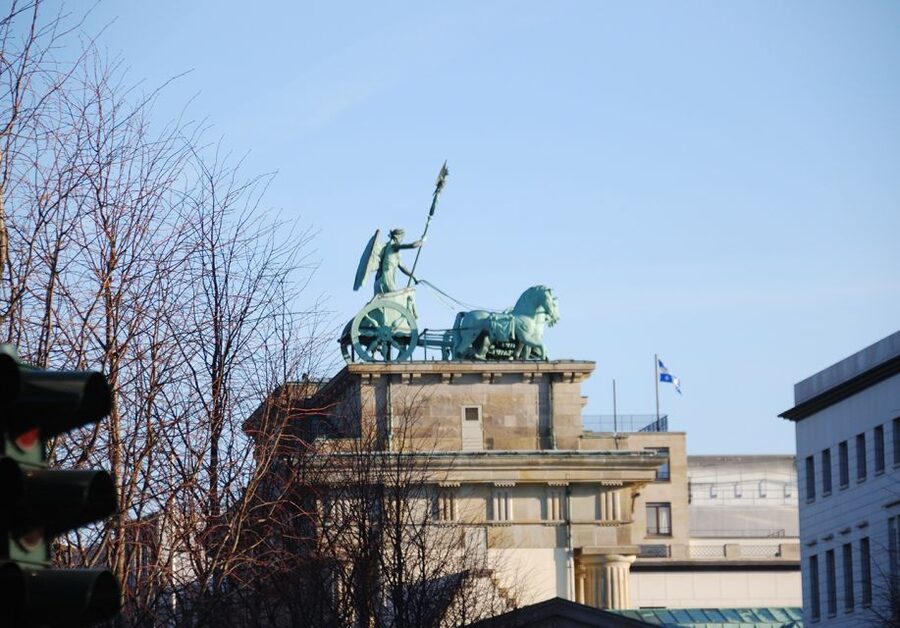
Pariser Platz is the natural starting point for a tour about power and public display. The Brandenburg Gate, directly beside it, was used for propaganda marches during the National Socialist period. Your guide can place that use in context, turning a familiar photo stop into a chance to consider how political movements used public spaces.
The gate is also a useful point of orientation. From here, the tour moves toward the Reichstag and then through the Tiergarten and central memorial sites. You begin among prominent landmarks, but the focus is not architecture for its own sake. The aim is to understand how these locations were connected to the regime and what their present-day roles tell you about Berlin now.
Expect to stop and listen rather than rush from one landmark to the next. The details of the guide’s commentary will shape how much background you take away, so this is a good place to ask questions if you want clarification before the route continues.
The Reichstag and the road to power
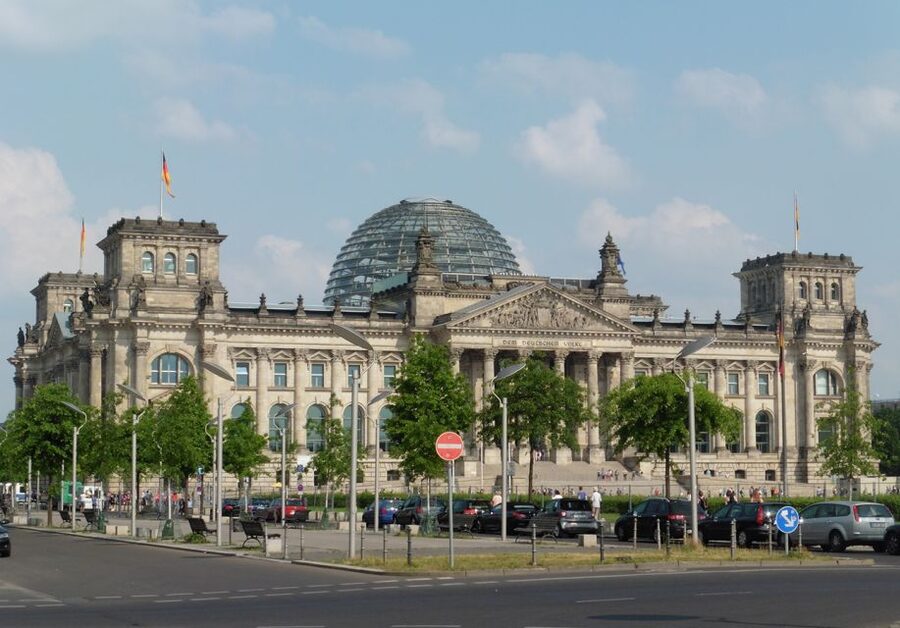
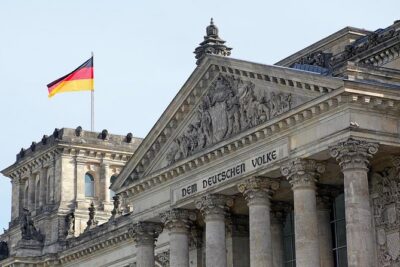
The walk continues to the Reichstag, now the seat of the German Parliament. The building’s current role gives the stop a clear contrast with the tour’s subject: the guide discusses how the NSDAP and Adolf Hitler came to power in 1933, while you stand beside a building central to Germany’s parliamentary government today.
The tour is a street-level visit, not a parliamentary tour. You should not expect entry to the Reichstag or time inside its dome; neither is included in the experience details. Its value here is the setting and the historical explanation, rather than access to the building.
I find this kind of stop useful because it gives political history a real location. Dates and names can blur together in a book; hearing about power and government while standing beside an important civic building helps anchor the discussion. The guide’s account is especially valuable if you want a coherent introduction rather than a list of disconnected facts.
Soviet tanks and the Tiergarten memorial
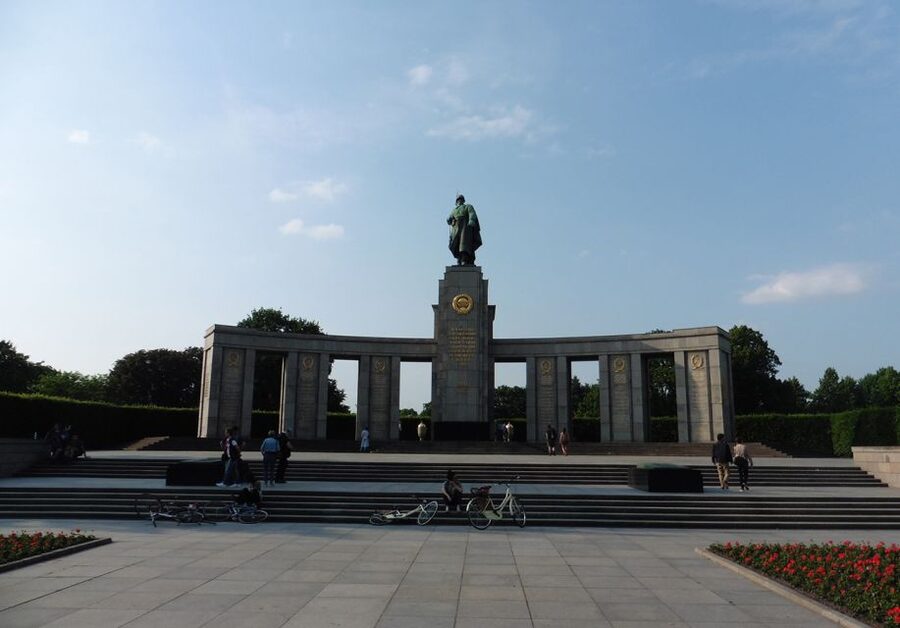
From the Reichstag, the route reaches the Soviet War Memorial in the Tiergarten. Here you can see Soviet T-34 tanks and artillery from World War II. These physical objects offer a stark contrast to the open park around them and make the war’s material traces easy to recognize.
The stop also widens the focus beyond the Nazi leadership buildings. The tour is about the period and its consequences, not just the people who governed. You’ll have a chance to hear how the memorial fits into the city’s story and to look at the wartime equipment preserved at the site.
Because this is an outdoor walk, your time at the memorial may feel different in bad weather. You can still see the tanks and artillery, but there is no indoor shelter described as part of the tour. Keep your coat handy rather than assuming you’ll be inside between stops.
Same city, a different kind of day:
- Berlin: Reichstag, Dome and Government District Guided Tour
★ 4.7 · 18,288 reviews - Berlin: 1-Hour City Tour by Boat with Guaranteed Seating
★ 4.3 · 16,993 reviews - Berlin: Boat Tour Along the River Spree
★ 4.4 · 11,252 reviews - Berlin: Hop-on Hop-off Bus Tour with Live Commentary
★ 4.3 · 8,579 reviews
The Holocaust Memorial and a place of remembrance
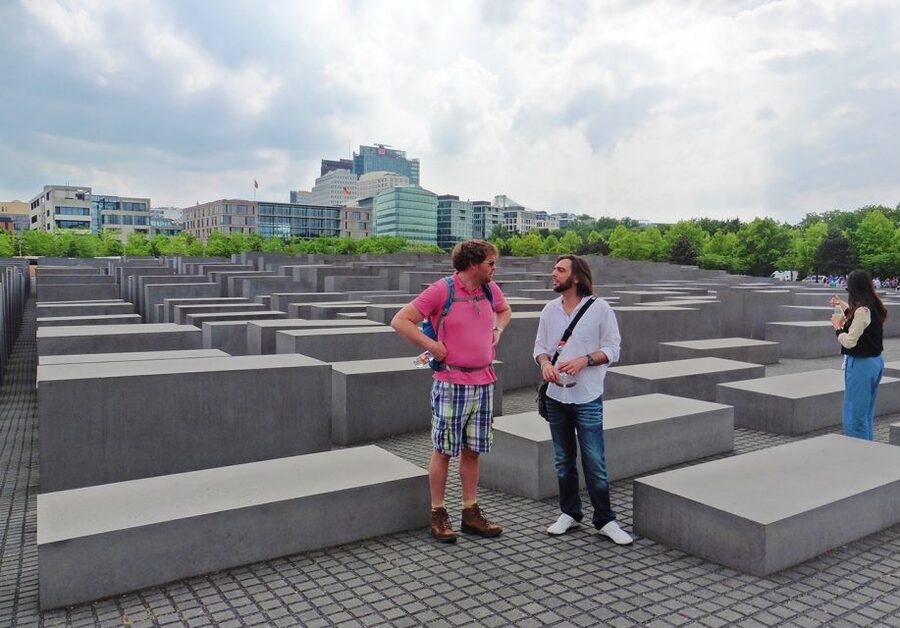
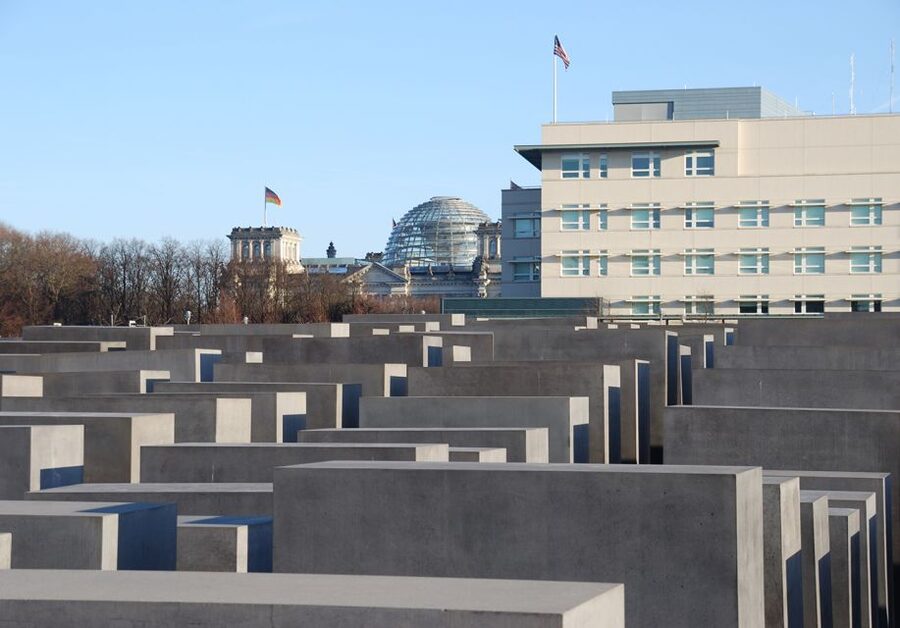
The route includes the Holocaust Memorial, formally the Memorial to the Murdered Jews of Europe. This is a serious stop, and the setting invites a more reflective pause than the route’s government buildings or war memorial. The guide’s role is to provide context, while the memorial itself gives you space to take in the site.
A guided visit can help place the memorial within the wider story of Berlin, but it is worth approaching it with care. This is not simply another photo opportunity on a city walk. You may find it useful to listen closely, ask respectful questions and allow a little quiet time to consider what the memorial commemorates.
The tour’s two-hour limit means each stop is part of a larger route. If you want an extended visit to the memorial or more time for personal reflection, you may want to return on your own afterward. The tour can give you a framework for that second visit.
The bunker site and the Johann Georg Elser Memorial
The walk then brings you to the location where Hitler’s bunker and the New Reich Chancellery stood. The significance here lies in the site itself and the guide’s explanation of what was once there. You should not expect an intact bunker building or a preserved underground attraction: the tour identifies the former location and discusses the surrounding history.
This is one of the route’s more sobering stops. The absence of a grand surviving structure can make it harder to picture the past, but it also underlines how much of the story must be understood through context rather than visible ruins. A guide can connect the site to the wider government district and explain why this part of central Berlin mattered.
The itinerary also includes the Johann Georg Elser Memorial. The tour promises stories of German resistance against the dictatorship, and this memorial gives that subject a dedicated stop. If you are interested in more than the regime’s institutions and leaders, pay attention here: the resistance thread adds another perspective to the walk.
The former government district and the Topography of Terror
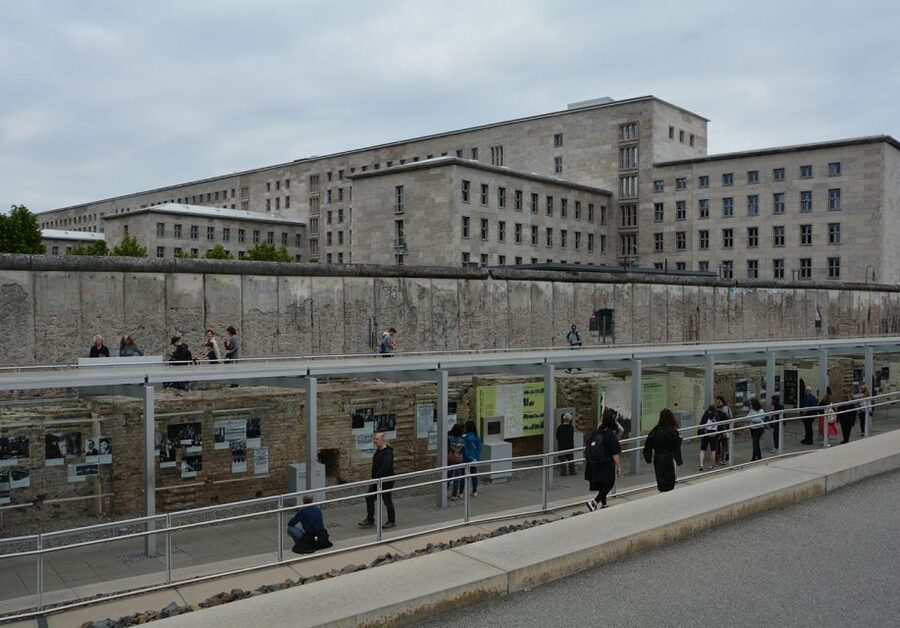
The route continues through locations associated with Berlin’s government district during the Nazi period, including Detlev-Rohwedder-Haus. The building is part of the story of how the area was used at the time. The experience describes a street-level visit, so expect to see the site from outside rather than take a tour through the building.
The final stop is the Topography of Terror Documentation Center. During World War II, the area housed the headquarters of the SS, the Secret State Police, the Reich Security Main Office and the Reich Aviation Ministry. Those names can be difficult to sort out in isolation. Seeing the location and hearing how the institutions fit into the regime gives the subject a more concrete frame.
The walk ends here, which makes the documentation center a useful place to continue exploring if you have time. Entry or a guided visit inside is not listed as part of the tour, so treat the center as the endpoint rather than an included museum session. You can decide afterward whether you want to spend more time with its exhibits.
What the guide adds to the experience
A good guide matters on this route because many of the most important stops are not self-explanatory. A square, memorial or former building site may look ordinary unless you know what happened there and how it connects to the next location. The tour’s central value is the guide’s ability to tie these places together and explain the period in context.
Carlo, also referred to as Carlos, has led recent tours. He is described as telling the story in an engaging way, answering questions and sharing additional Berlin tips. One account also notes that he took care on icy streets in very cold weather. That is a useful sign of the practical attention you want on an outdoor walk, though the guide and conditions can vary.
The subject can suit teenagers as well as adults, particularly those already curious about Berlin’s history. The tone is historical and reflective, not entertainment built around the Nazi period. If you’re travelling with younger people, think about their readiness for serious material before booking.
Is $43 fair for this Berlin history tour?
At $43 per person, the price pays for a professional guided walk lasting two hours. You’re not paying for transport, a meal or a listed museum entry. You’re paying for a compact route through several important locations and for the historical explanations that connect them.
That can be good value if you want a clear introduction to the city’s National Socialist past and prefer learning from a local guide. The small-group limit is part of the appeal: a group of 10 or fewer should make it easier to hear the commentary and raise questions. If you already know the history well, or would rather explore at your own pace, the price may feel less compelling.
The tour’s value also depends on language. The activity information specifies German as the live tour language, despite a broader description of multilingual guiding. If you need commentary in another language, confirm availability before booking rather than assuming it will be offered.
Who should book this walk
Book this tour if you want a concentrated, guided account of Nazi-era Berlin, with major political sites, memorials and visible wartime traces in one route. It is especially useful early in a stay, when you want context that can help you make sense of later visits around the city.
It is also a good choice if you appreciate a small group and enjoy asking questions as you go. The route covers serious history, including Nazi rule and the Holocaust, so it suits people ready to engage thoughtfully with the subject.
Choose another option if you need an English-language tour, want to enter the Reichstag or expect a full museum visit at the Topography of Terror. This walk is about connecting places on foot, not interior access. At two hours, it offers a strong overview, but you may want more time at some memorials afterward.
FAQ
How long is the tour?
The walking tour lasts two hours.
What language is the tour in?
The listed live tour language is German. Confirm before booking if you need another language.
Where do I meet the guide?
Meet at exit B of S+U Brandenburger Tor station, in the direction of Pariser Platz and Straße des 17. Juni. Look for the Get Your Guide flag marked You in Berlin.
Where does the tour finish?
The tour finishes at the Topography of Terror.
What places are included on the route?
Stops include Pariser Platz, the Brandenburg Gate, the Reichstag, the Soviet War Memorial in Tiergarten, the Holocaust Memorial, the Johann Georg Elser Memorial, Detlev-Rohwedder-Haus and the Topography of Terror.
Is the tour suitable for wheelchair users?
The activity is listed as wheelchair accessible.
How large is the group?
The tour is limited to 10 participants.
Does the tour run in bad weather?
Yes. It takes place in all weather conditions and on public holidays. Wear suitable clothing for an outdoor walking tour.
What is included in the price?
A professional city tour guide is included. Museum entry and entry to the Reichstag are not listed as inclusions.
Newest tours in Berlin
- Berlin: guided canoe | kayaktour★ 4.1 · 7 reviews
- Understanding Kreuzberg: The roots of local (sub)culture★ 4.9 · 11 reviews
- Where It All Began: Berlin’s Queer & Trans History Tour★ 4.9 · 6 reviews
- Warnemünde Shore Excursion: Private Sachsenhausen and Berlin Tour★ 5.0 · 12 reviews
- Ultimate E-Bike Tour of Berlin with Beer Garden Stop★ 5.0 · 4 reviews
- Potsdam Highlights – Private sightseeing tour by minibus★ 5.0 · 3 reviews
- Private Potsdam City Tour in an authentic vintage van★ 5.0 · 14 reviews
- Transfer from Berlin Schönefeld Airport (SXF) to Berlin city Hotels – ROUND TRIP★ 4.0 · 3 reviews
Berlin Walking Tours, compared.


Third Reich Berlin: Hitler and WWII Walking Tour
Read our review →

Explore Berlin: Walking Tour of All The Iconic Sites
Read our review →Browse the lists this tour appears in