

Reviewed · BERLIN KREUZBERG TOURS
Understanding Kreuzberg: The roots of local (sub)culture
Kreuzberg makes more sense when you understand the movements that shaped it: squatting, activism and experimental art did not just belong to the 1970s, they still influence how people live and work here. This walk connects that past with the district’s present-day street life and community projects.
I like two things in particular: the tour looks beyond street art to explain the values behind it, and the break at Rio-Reiser-Platz brings you to a local chocolate business rather than another standard sightseeing stop. One practical caveat: the advertised duration ranges from two hours to 210 minutes, while the route outline adds up to about three hours and 15 minutes, so check the exact start time and length before booking.
What to know before you go
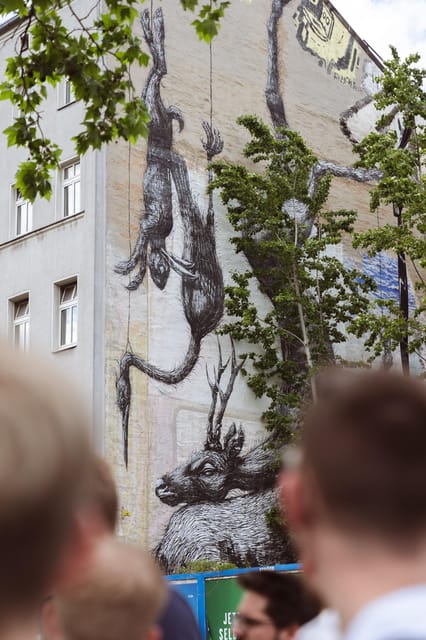
- Start near Ostbahnhof: Meet in front of the YAAM entrance, close to the Schillingbrücke starting point.
- Finish at Kottbusser Tor: The walk crosses Kreuzberg rather than returning to where it began.
- Follow the district’s political roots: Learn how squatting, activism and experimental arts shaped local culture.
- Look beyond the obvious: The route may turn into hidden courtyards and pause at street art and scenic spots.
- Take a local drink break: One hot chocolate, coffee or tea is included, served in collaboration with a small local business.
- Ask for Lee if available: His personal insights and clear explanations are a recurring strength of the experience.
A walk about the ideas behind Kreuzberg
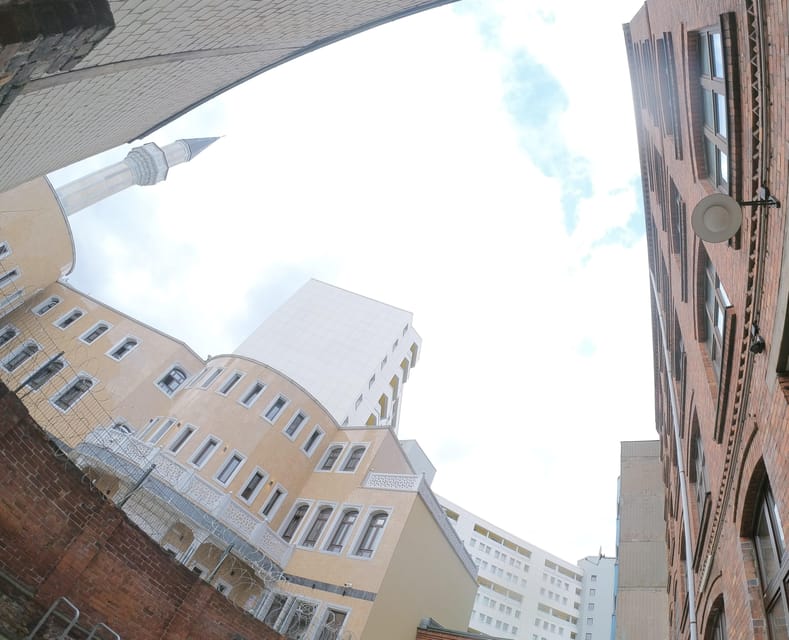
Kreuzberg is often introduced as a place of artists, nightlife and alternative culture. That description is true, but it can leave you with a postcard view of a neighborhood that is also shaped by politics, housing and the people who have organized to make a place for themselves. This tour aims to explain how those strands came together.
The focus is not simply on what looks unusual. You hear why the squatter scene took root, how activism and experimental arts became part of local life, and what those earlier ideals mean to residents now. That context matters: it helps you see a mural, courtyard or community project as part of a longer story rather than a stand-alone curiosity.
The experience is led by a local guide and offered in English, German or Russian. Lee is a guide name associated with this walk. If he is leading your departure, his personal connection to the neighborhood can add a useful layer: he has been praised for linking its buildings, people and history, and for offering practical suggestions about where to eat or go afterward.
Expect a walking tour with conversation, not a string of grand monuments. Kreuzberg’s appeal lies in the way its past remains visible in everyday surroundings. The guide’s job is to help you notice those connections and give you enough background to make your own sense of the place.
More Kreuzberg tours in Berlin:
- Kreuzberg: Culinary Food Tour
★ 4.5 · 770 reviews - Berlin: Kreuzberg Guided Walking Evening Tour
★ 4.7 · 555 reviews - Berlin: Alternative Bike Tour of Kreuzberg & Friedrichshain
★ 4.7 · 548 reviews
From Schillingbrücke into Kreuzberg
The meeting point is in front of the YAAM entrance, very close to Ostbahnhof. The listed starting address is An d. Schillingbrücke 4. That location gives the walk a clear starting point near the river and the eastern edge of the route, rather than dropping you straight into the district’s best-known streets.
From there, the guide leads you into Kreuzberg for a substantial walking section. The route description allows about an hour and a half for this first part, though exact timing can vary. You’ll hear the district’s story as you move through it, with stops for sights and discussion along the way.
The opening is useful if you are new to Berlin because it gives you a framework for the neighborhood before you encounter its details. Rather than treating Kreuzberg as a single scene, the guide can explain how its reputation grew from particular historical and social conditions. You can then look at the area with more informed eyes.
A walking tour is also a practical way to connect places that may seem unrelated when you explore on your own. The trade-off is that the pace depends on the group and on how much time is spent talking at each stop. If you want a brisk route focused on covering ground, this may feel slow. If you want to ask questions and understand what you are seeing, the pauses are part of the point.
The Wall years and the squatter legacy
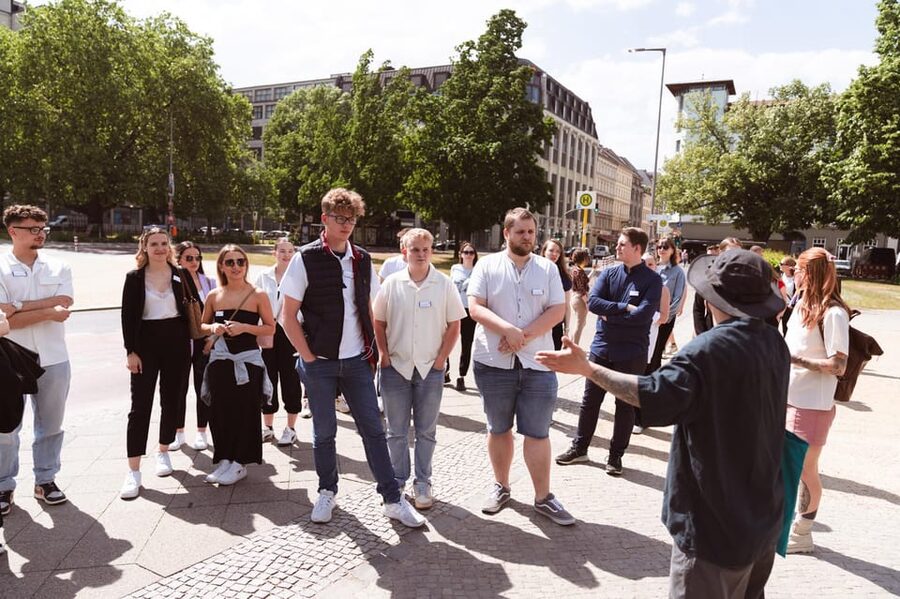
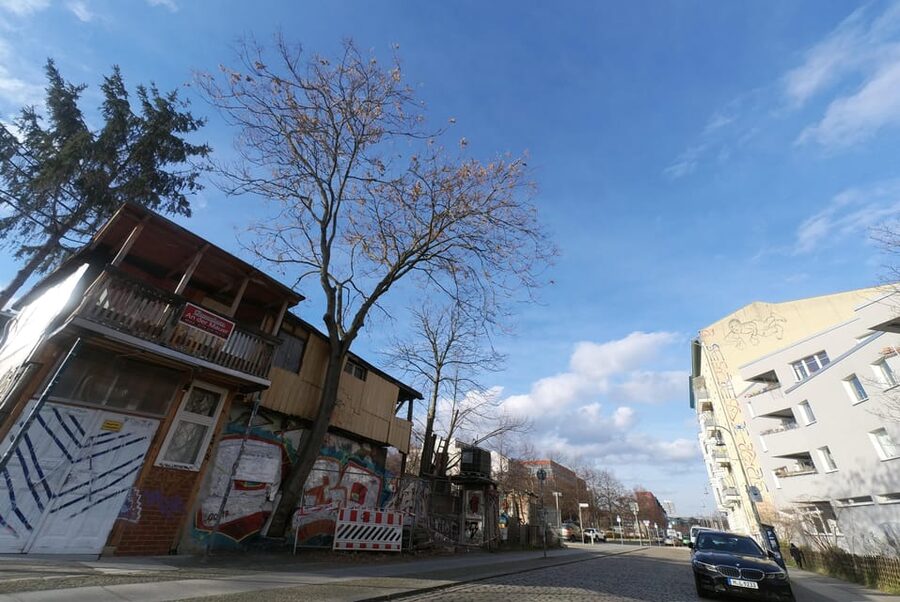
One of the tour’s central subjects is the squatter movement and the era around the Berlin Wall. You’ll hear stories about life during the Wall’s presence and what changed afterward, then look at how squatting, activism and experimental arts left a mark on Kreuzberg.
That history is valuable because it helps explain why the district’s creative reputation is not just a matter of style. The tour connects local culture to people who sought new ways to use buildings, organize their communities and shape city life. It also considers how values from that period continue to influence residents today.
The experience is not described as a museum visit, and the route’s strength is its connection between history and the streets around you. You can ask how a past movement relates to current projects, or what has changed since the days being discussed. The account is likely to feel most rewarding if you enjoy social history and are comfortable with a guide-led discussion rather than a list of dates and famous names.
There is a practical limit to what a short neighborhood walk can cover. Kreuzberg’s history is broad, and this tour focuses on the roots of local subcultures, not every chapter of Berlin’s past. If you want a general overview of the whole city, choose a broader Berlin tour as well. If you want to understand why this district feels distinct, this is a more focused choice.
Courtyards, street art and community action
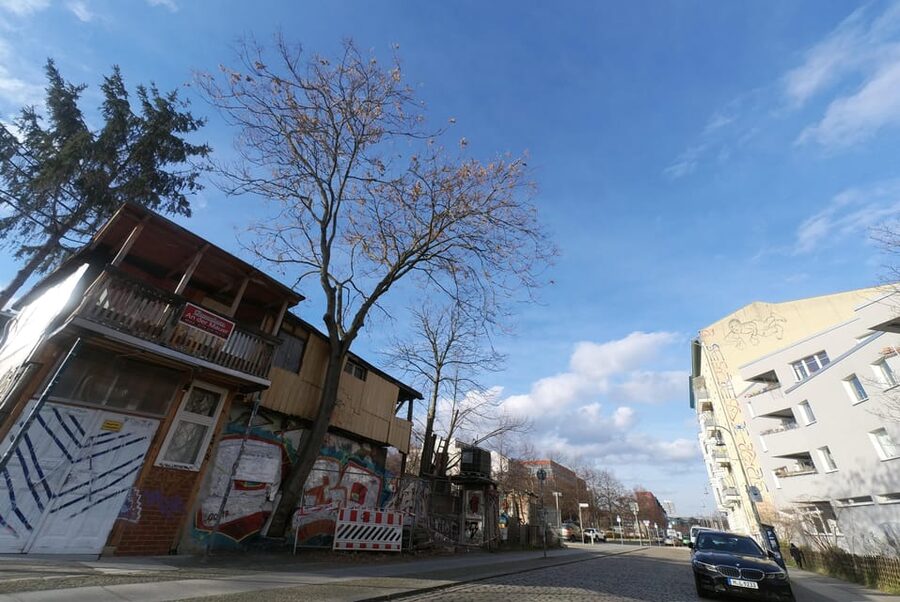
The route may turn into hidden backyards and pause at examples of local street art. These moments are a chance to see how Kreuzberg’s character is expressed in ordinary spaces, not only on its main streets. The guide can point out details you might otherwise walk past and explain how people are shaping their district together.
The tour also covers social and environmental projects organized by local residents. That subject gives the walk a present-day purpose. Instead of leaving you with the idea that Kreuzberg’s alternative culture belongs to the past, it shows how collaboration and local initiative still enter daily life.
The exact courtyards and art stops are not specified in advance, so treat them as parts of the route rather than guaranteed visits to named sites. That flexibility can make the walk feel more responsive to the neighborhood and the group. It also means that if a particular artwork or courtyard is your main reason for booking, you should ask the operator what the current route includes.
This is a good tour for people who like to look closely. You may come away noticing small things that previously blended into the street scene, from a piece of public art to the way a shared space is used. One local resident who joined with visiting parents said the walk changed how they saw familiar streets afterward. That is a useful measure of what the tour aims to do: not just show you Kreuzberg, but give you a sharper way to read it.
Same city, a different kind of day:
- Berlin: Reichstag, Dome and Government District Guided Tour
★ 4.7 · 18,288 reviews - Berlin: 1-Hour City Tour by Boat with Guaranteed Seating
★ 4.3 · 16,993 reviews - Berlin: Boat Tour Along the River Spree
★ 4.4 · 11,252 reviews - Discover Berlin Half-Day Walking Tour
★ 5.0 · 9,624 reviews
A pause at Rio-Reiser-Platz
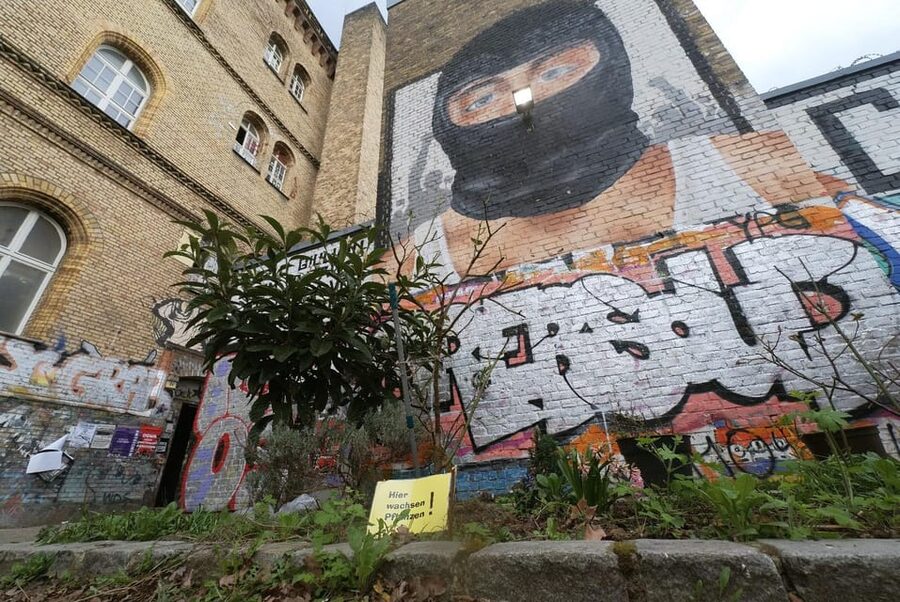
The walk includes a 15-minute break at Rio-Reiser-Platz. Here, you can take a hot chocolate, coffee or tea through the tour’s partnership with a small local business. The drink is included in the $35 per-person price.
This is a modest stop, not a long café visit, but it brings a welcome pause into a walking tour and gives the group a chance to mingle with local life. The hot chocolate is a signature detail of the experience, and the local-business connection fits the tour’s interest in how people shape the neighborhood.
Keep expectations in proportion: one beverage is included, not a full meal. If you want lunch or a longer coffee break, plan to eat before or after the walk. The guide may also have suggestions for places to go once you reach Kottbusser Tor, particularly if Lee is leading and you ask for recommendations.
Ending at Kottbusser Tor
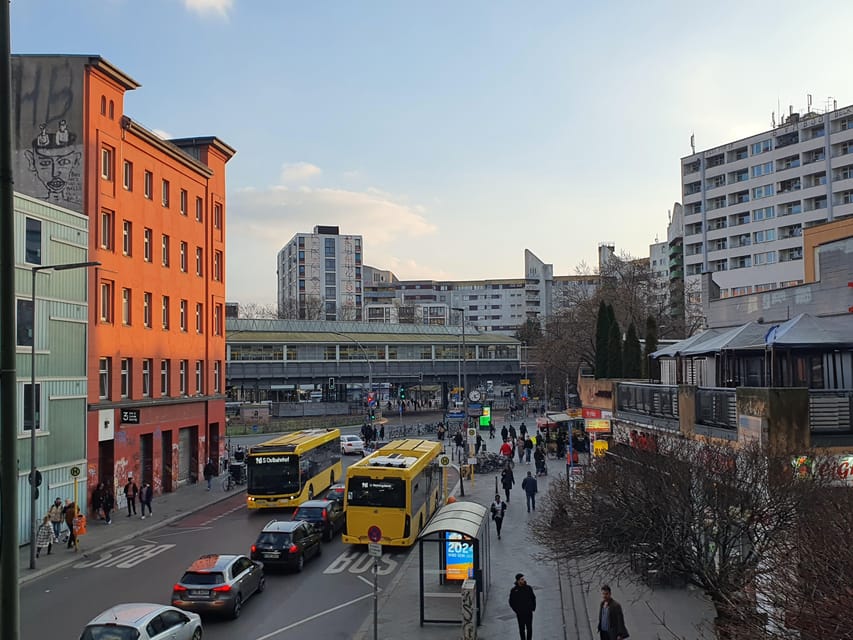
After the break, the tour continues with another guided section through Kreuzberg and ends at U Kottbusser Tor. That finish is useful for planning the rest of your day: you are not required to circle back to the starting point near Ostbahnhof.
The route outline sets aside about another hour and a half for the later guided portion. Combined with the first 90-minute section and the 15-minute break, that suggests a walk of roughly three hours and 15 minutes. Yet the advertised duration is given as a range from two hours to 210 minutes. Since 210 minutes is three and a half hours, the precise length appears to depend on the departure. Confirm the duration for your chosen time rather than building a tight schedule around the shorter figure.
The route is listed as wheelchair accessible, and private groups are available. If accessibility details matter for your plans, confirm the route and any specific needs directly before booking, since the walk includes street stops and possible courtyard visits.
Is $35 a fair price?
At $35 per person, you are paying for a guided neighborhood walk, an experienced local guide and one included drink. The value rests mainly on the quality of the interpretation. If you already know Kreuzberg well, or prefer to explore without a guide, you may not need this experience. If you want the district’s history tied to the streets and projects you see, the guide’s context can make the price worthwhile.
The strongest value is the combination of past and present. The tour covers the squatter movement and Wall-era stories, then looks at how local values continue through community and environmental projects. That is more useful than a route built only around photo stops, especially if you want a better sense of how the neighborhood works.
The small-business drink is a pleasant extra, but it should not be the main reason to book. The walk’s real payoff is the guide’s ability to make Kreuzberg legible. The high marks given to Lee in particular point to an engaging style, strong subject knowledge and personal insight. He has also been described as adjusting to the group’s plans and offering ideas for what to do next. Those touches are especially helpful if you have time to explore more of the area after the tour.
Who will get the most from this walk?
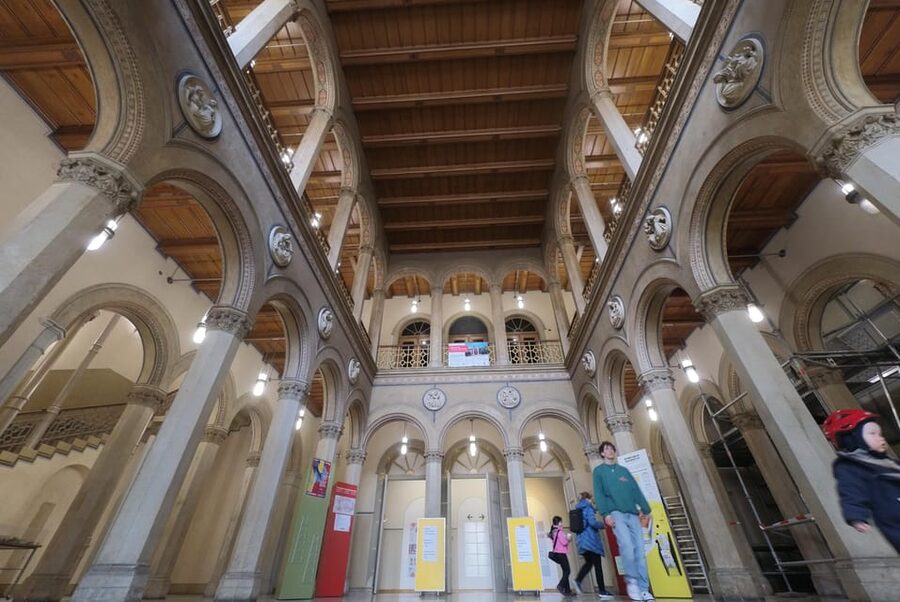
Choose this tour if you are curious about Berlin’s alternative culture and want more than a general city introduction. It suits people interested in social history, urban life, street art and the ways residents influence their neighborhood. It can also work well for someone already living in Kreuzberg who wants to understand familiar streets in a new way.
The walk is less suited to anyone who wants a tightly timed, monument-heavy excursion. The route emphasizes conversation and local context, and the stated duration is not fully consistent with the detailed timing. If you have a train to catch or a fixed appointment, confirm the exact length and leave a generous buffer.
Families with adult visitors may find the subject matter a good way to explore together, as one local participant did with visiting parents. The walk is also available as a private group, which may suit people who prefer a more personal pace or want to keep the discussion within their own party.
Should you book it?
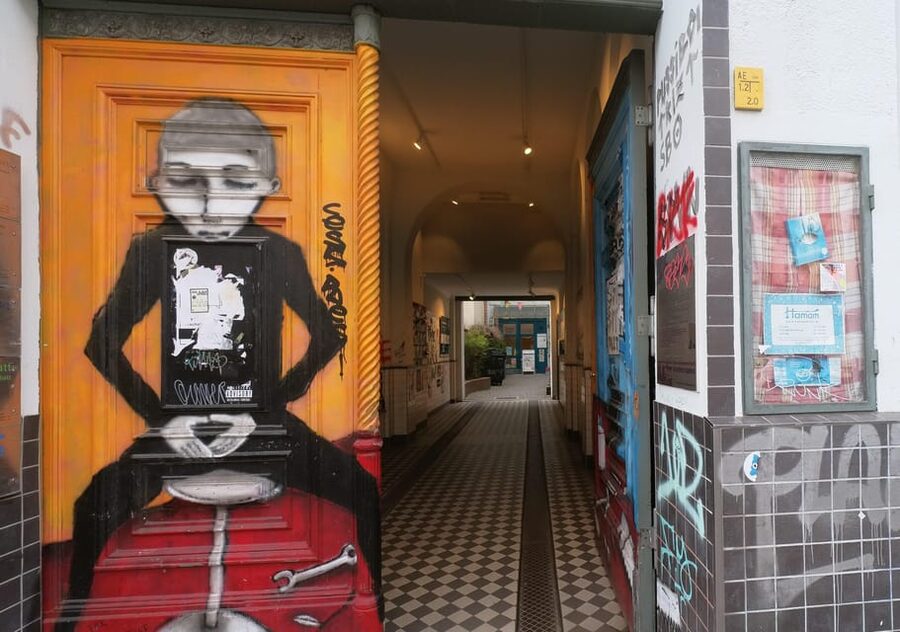
I’d book this if you want to understand why Kreuzberg became a center for subcultures, and how that history still affects the district. Its best features are the connection between political history and everyday life, the chance to see courtyards and local art, and the guide’s personal approach, especially when Lee leads.
Before confirming, check the exact duration for your chosen departure. The route’s stated sections suggest about three hours and 15 minutes, while the advertised range begins at two hours. If that timing works for you, this is a thoughtful, grounded way to get beyond Berlin’s usual headline sights and see Kreuzberg as a neighborhood shaped by its own residents.
FAQ
Where does the tour start?
Meet in front of the YAAM entrance, very close to Ostbahnhof. The listed starting address is An d. Schillingbrücke 4.
Where does the tour finish?
The walk ends at U Kottbusser Tor.
How long is the tour?
The advertised duration ranges from two hours to 210 minutes. The route outline includes two guided sections of about 1.5 hours each and a 15-minute break, so check the time for your chosen departure.
What languages are available?
The live tour guide is available in English, German and Russian.
Is a drink included?
Yes. One hot beverage, chocolate, coffee or tea, is included through a collaboration with a local small business.
Is the tour wheelchair accessible?
The activity is listed as wheelchair accessible.
Can I book a private group?
Yes. A private group is available.
Newest tours in Berlin
- Berlin: guided canoe | kayaktour★ 4.1 · 7 reviews
- Where It All Began: Berlin’s Queer & Trans History Tour★ 4.9 · 6 reviews
- Warnemünde Shore Excursion: Private Sachsenhausen and Berlin Tour★ 5.0 · 12 reviews
- Ultimate E-Bike Tour of Berlin with Beer Garden Stop★ 5.0 · 4 reviews
- Potsdam Highlights – Private sightseeing tour by minibus★ 5.0 · 3 reviews
- Private Potsdam City Tour in an authentic vintage van★ 5.0 · 14 reviews
- Transfer from Berlin Schönefeld Airport (SXF) to Berlin city Hotels – ROUND TRIP★ 4.0 · 3 reviews
- Love and War in Berlin: Self-Guided Story Puzzle Walk★ 5.0 · 7 reviews
Berlin Kreuzberg Tours, compared.

Alternative Bike Tour of Kreuzberg & Friedrichshain
Read our review →

Berlin Off-the-Beaten-Path Walking Tour: Kreuzberg, Mitte and Friedrichshain
Read our review →

Kreuzberg Berlin: Off the Beaten Track PRIVATE Walking Tour
Read our review →
Experience the Alternative Kreuzberg on a Bike Tour
Read our review →Browse the lists this tour appears in