
Reviewed · BERLIN STREET ART TOURS
Berlin: Street Art and Alternative Tour
Berlin’s street art makes more sense when you know what the Wall divided, and what changed when it fell. This three-hour walk connects murals and smaller works with the city’s Cold War past, the alternative culture that grew around it, and the pressure of gentrification today.
I like two things in particular: the focus on Kreuzberg and East Side Gallery, and the chance to hear the story in French or Italian from a guide who can put art in its social and historical setting. Guides named on recent outings include Antonella, Iacopo, Martin and Marie, though you should not assume a particular guide will lead your tour.
One thing to plan for: the tour price does not include public transport. You need to buy a 24-hour AB ticket, and the meeting point can vary by booking option, so check your confirmation before setting off.
- Art with a historical frame: Connect Berlin’s street art to the Cold War border, the fall of the Wall and the changes that followed.
- A walk through Kreuzberg: See an alternative quarter where political history and present-day urban life meet.
- East Side Gallery: Encounter a major stretch of art tied directly to the former Wall.
- Small-group format: Walk with a guide rather than trying to decode the city’s walls on your own.
- French or Italian guiding: Choose a tour language that suits you, then bring comfortable shoes and a separate transit ticket.
Reading Berlin’s walls as part of its history
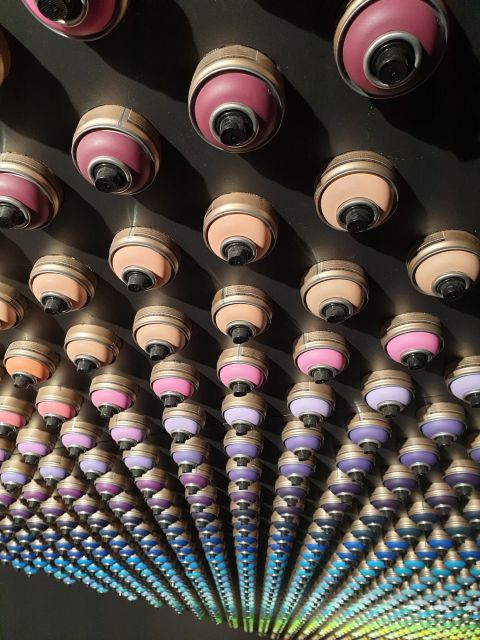
Berlin’s art is not just decoration on old brick. In this city, walls can mark political division, carry social messages and show how neighborhoods have changed. This tour uses that art as a way into Berlin’s past and present, rather than treating murals as a string of colorful backdrops.
The story begins with the Cold War and the city’s position between East and West. The Wall was a physical border, but its fall in 1989 also brought economic and social change. The tour traces how alternative culture helped shape Berlin’s revival in the 1990s, then brings the story forward to the current phase of gentrification.
That context gives the art more weight. A large work can speak to a neighborhood’s identity, while a small piece tucked into a corner may be easier to miss if you are walking without someone to point it out. The guide’s role is not only to identify what you are seeing, but to explain why it belongs in this particular place.
This is a useful way to approach Berlin if you have already seen the main historic sights and want to understand how the city’s past continues to show up in daily life. It is also a good starting point for anyone who sees street art everywhere but wants a clearer sense of the politics, people and changes behind it.
Kreuzberg: alternative culture in a changing neighborhood
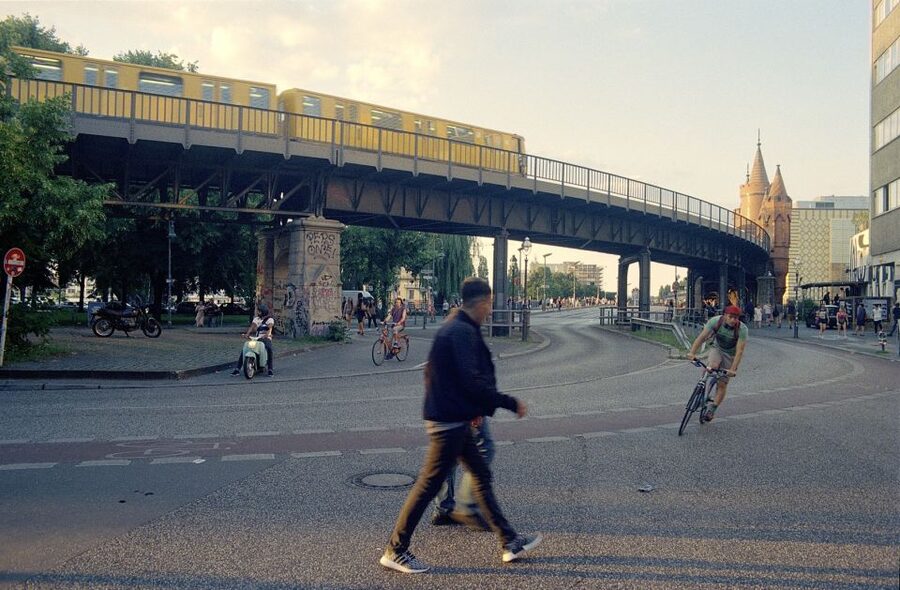
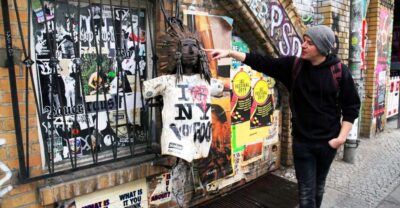
Kreuzberg is the tour’s clearest link between urban art and alternative Berlin. You will walk through a district known for its alternative quarter, with the guide explaining how art, politics and local change intersect there. The focus is less on collecting mural photos and more on understanding why creative culture took root in the city.
The subject is especially relevant after the Wall fell. Berlin’s revival in the 1990s is closely tied to alternative culture, and the tour follows that history into the present. That makes Kreuzberg more than a backdrop: it is a place where you can consider how a neighborhood’s identity develops, and what happens when an area becomes more desirable and gentrification advances.
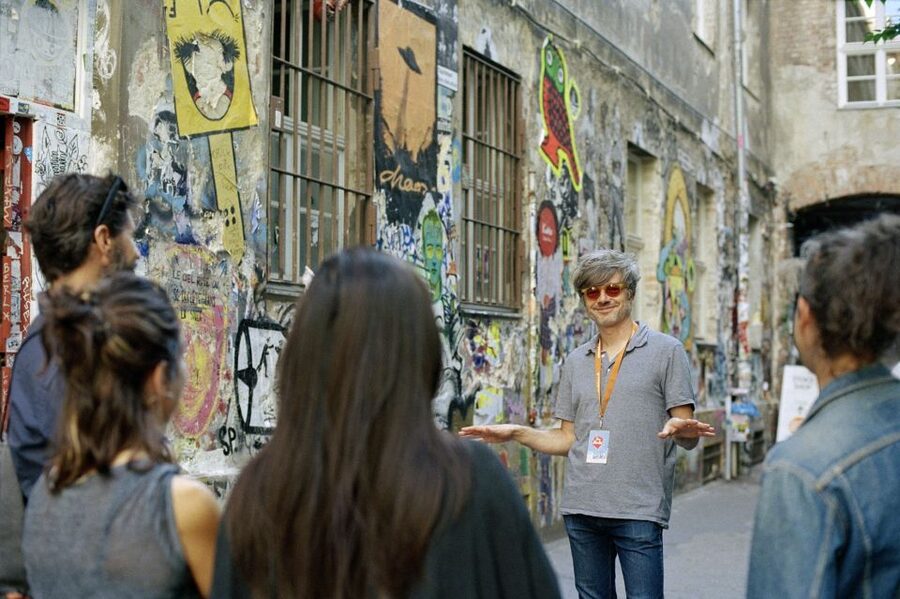
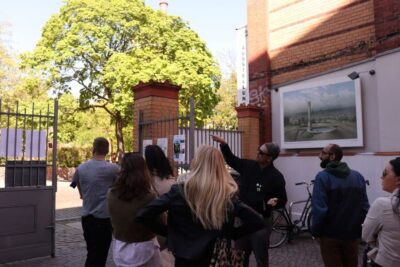
The guide may point out large works between buildings as well as smaller pieces in less obvious spots. The exact selection and route are not specified, so do not expect a fixed checklist of particular murals. The appeal is in seeing the district with someone who can draw connections between its art and its wider history.
This part should suit you if you like urban neighborhoods that reward looking closely. A walking tour also lets you take in the streets at ground level, where the scale and placement of a work matter. The trade-off is that street art can be scattered, and the experience depends on the guide’s explanations as much as on any single landmark.
More street art tours in Berlin:
- Berlin: Alternative Berlin Walking Tour
★ 4.6 · 1,204 reviews - Berlin: City Street Art Guided Walking Tour
★ 4.8 · 886 reviews - Berlin: 3-Hour Street Art Tour
★ 4.7 · 778 reviews
East Side Gallery: art along the former border
The East Side Gallery is one of the tour’s stated highlights, bringing the history of the Wall into direct view. Here, art and politics sit side by side in a way that captures the central idea of the walk: Berlin’s walls are not only surfaces for paintings, but reminders of a divided city and the changes that followed reunification.
This stop gives the tour a clear historical anchor. Instead of discussing the Wall only as an abstract line between East and West, you can connect its physical presence with the art that now occupies it. The contrast is part of the point. A structure associated with separation has become a place where public art carries stories and meanings.
The East Side Gallery is a well-known stop, so it is not the tour’s most unexpected discovery. Its value here is the context a guide can add, especially if you want to understand how the Wall’s legacy continues to influence Berlin’s identity. The experience is broader than the gallery itself, though, and the tour also looks at street art in neighborhood settings.
The published route details do not promise a particular order or a precise list of stops. Treat the East Side Gallery as a highlight rather than a guarantee about how long you will spend there or what specific works you will discuss.
Friedrichshain and Mitte: large works and smaller finds
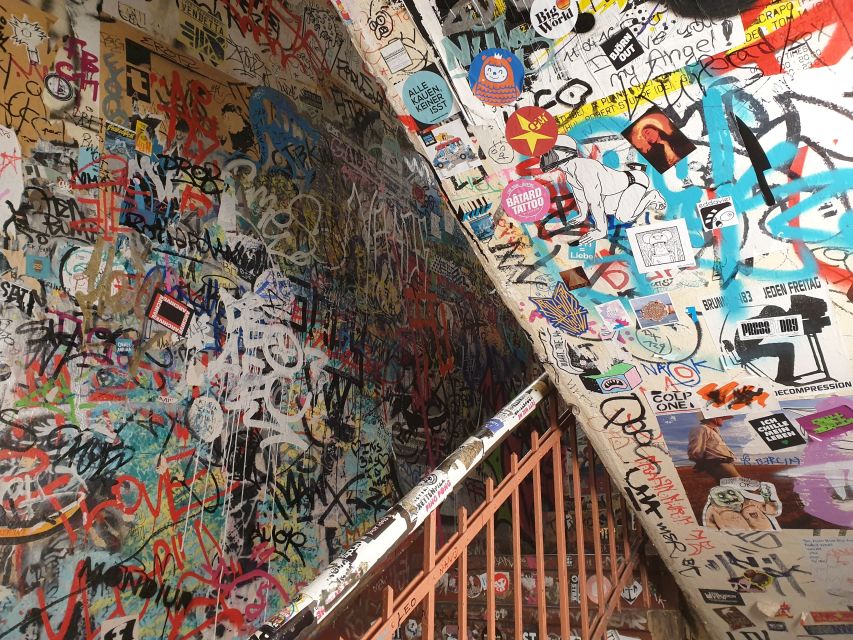
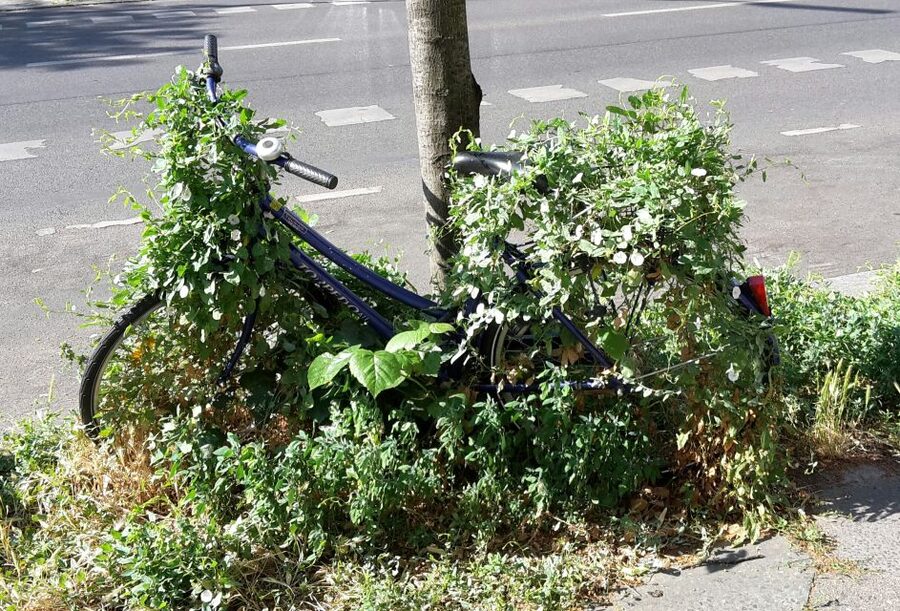
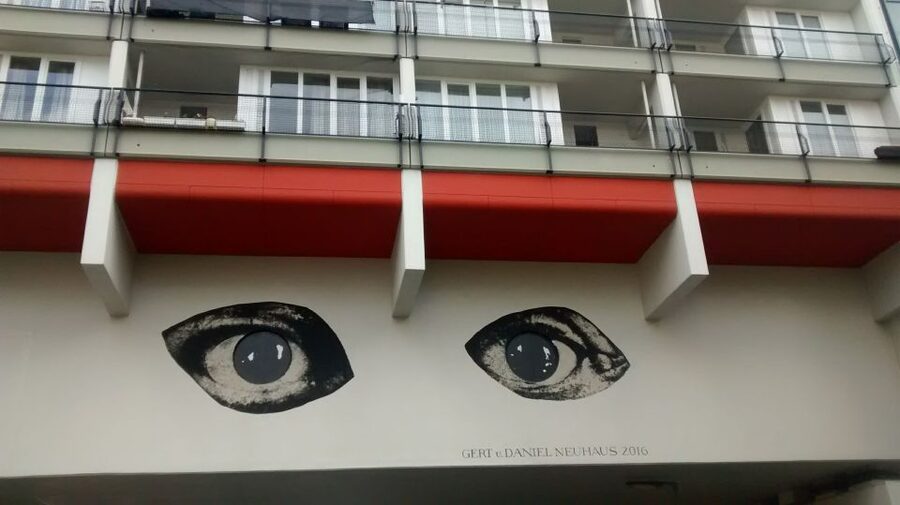
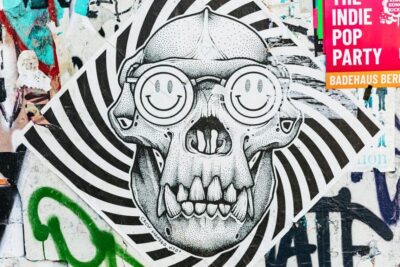
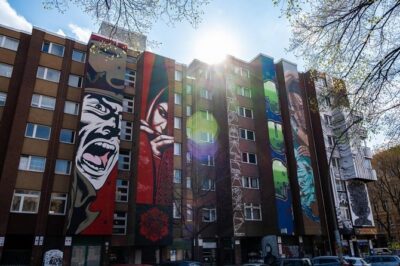
The tour’s subject reaches beyond Kreuzberg. Berlin’s urban art includes large works between buildings in Kreuzberg and Friedrichshain, as well as smaller pieces set into corners, courtyards and streets in Mitte. Those descriptions suggest the range you may encounter: prominent paintings that catch your eye from a distance, and more modest works that reward a slower look.
The route is not described as covering every one of these areas on every departure. Your meeting point may vary depending on the option booked, and the precise itinerary is not set out in advance. Check the details for your chosen time rather than planning your day around a particular neighborhood sequence.
That flexibility is worth keeping in mind when deciding how to use the tour. If you want a guided introduction to Berlin’s street art and alternative culture, the range of settings is appealing. If your main goal is to see a specific mural or spend a long time at one site, confirm whether it is part of your departure before booking.
A guide can also help you notice how the art occupies the city. The large pieces are easy to spot, but the smaller works can be hidden in courtyards or tucked along streets. With only three hours, you will not see every corner of Berlin’s art scene. The better aim is to leave with a sharper eye and a clearer sense of the city’s story.
The guide makes the difference
This tour is offered in French or Italian, and its subject benefits from explanation. Street art can be visually striking on its own, but the history behind it is what turns a walk into a more complete account of Berlin. The guide connects the art with the Wall, alternative culture, social change and the city’s current concerns.
The guidance is also an advantage if you like asking questions as you go. Past guide names include Antonella, Iacopo, Martin and Marie. Their names are not a promise of who will lead your tour, but they show that different guides have led outings in both languages.
The most useful quality to look for is not a particular personality, but the ability to make difficult history accessible. This tour’s focus is broad: art, architecture, city history and the social meaning of neighborhoods. It is a good fit if you want those subjects connected rather than delivered as separate facts.
The tour is described as small-group, which generally makes a walking discussion easier to follow than a large procession. No maximum group size is provided, however, so do not book on the assumption that you will have a private or near-private guide.
More street art walks in Berlin:
- Berlin Street Art Walking Tour – Off The Grid
★ 5.0 · 270 reviews - East Meets West: Berlin Food Culture & Street Art
★ 5.0 · 157 reviews - Berlin Street Art & Graffiti Walking Tour
★ 5.0 · 109 reviews - Berlin: Private Kreuzberg Street Art Walking Tour
★ 4.8 · 57 reviews
Three hours on foot, with transit to budget
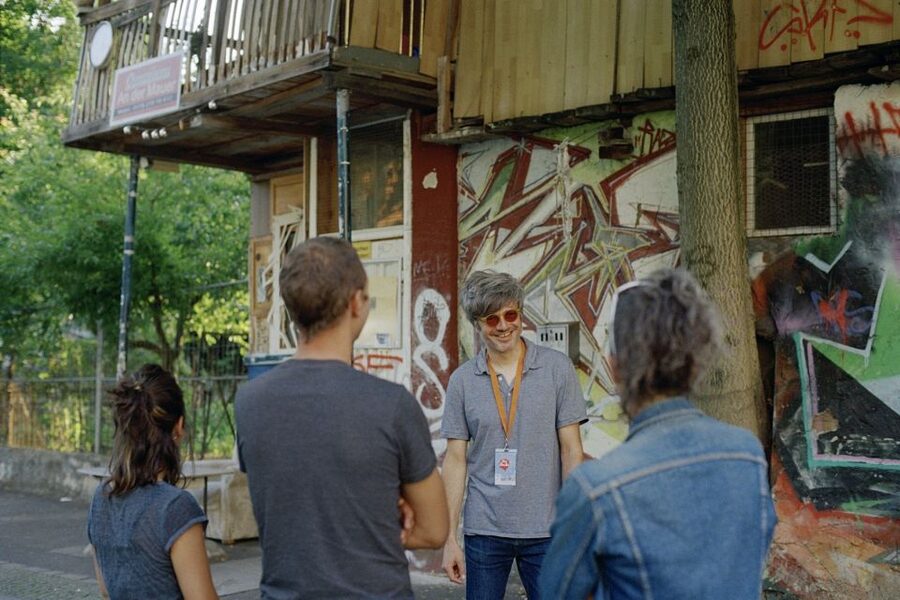
The tour lasts three hours. That is enough time for a focused introduction to several layers of Berlin’s urban art, but it is not a full survey of the city. You will need comfortable shoes, and you should be ready to walk between locations.
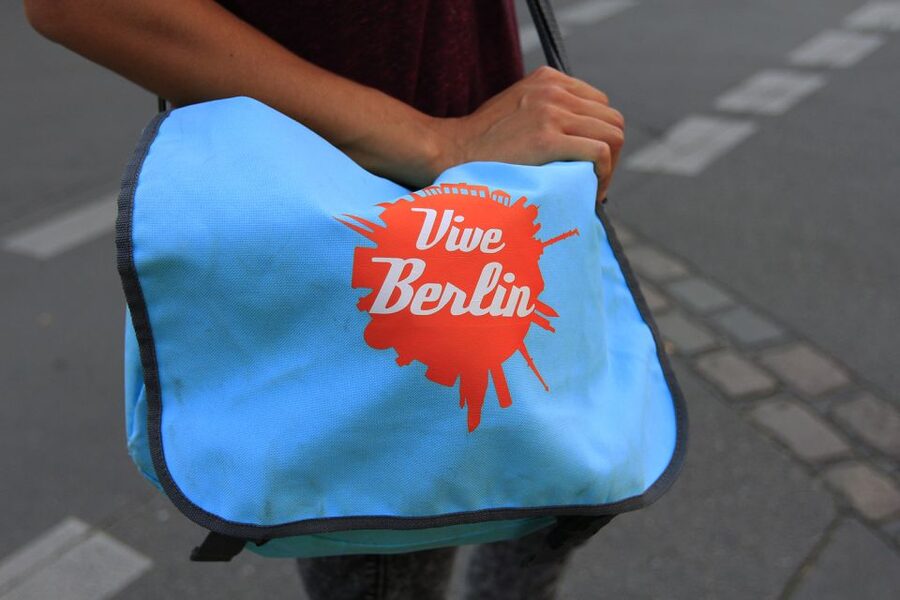
A 24-hour AB public transport ticket is required and is not included in the $31-per-person tour price. The transport ticket is an added cost, so account for it when comparing this outing with a shorter walk or a self-guided visit. The tour operator is Vive Berlin e.G.
At $31, you are paying for a small-group walk and a live guide in French or Italian, along with a structured explanation of how street art relates to Berlin’s history. The value is strongest if you want to understand the meaning and setting of the works, not just find them. If you are comfortable exploring on your own and only want to photograph a major site, the guide may be less essential.
Booking terms offer the option to reserve now and pay later, and cancellation is available up to 24 hours in advance for a full refund. The meeting point varies by booking option, so check the location before you travel. That small bit of planning matters: the tour requires public transport, and arriving at the wrong starting point can eat into a short three-hour outing.
Who should book this Berlin street art walk?
Book it if you are interested in how Berlin’s alternative culture grew from the city’s divided past, or if you want a guide to explain the link between street art and social change. It should also suit you if you speak French or Italian and prefer to hear a complex city story in one of those languages.
You may find it less suitable if you want a detailed itinerary with guaranteed stops at named artworks, or if you are looking for a purely visual tour with little historical discussion. The route can vary, and the focus is as much on the ideas behind the art as on the art itself.
For a first look at alternative Berlin, I see the strongest value in the combination of Kreuzberg, the East Side Gallery and a guide who can tie the sights to the fall of the Wall and the changes that followed. Bring comfortable shoes, buy the required AB ticket and check your meeting point. If those details suit your plans, this is a practical way to see more than the paint on the wall.
FAQ
How long is the Berlin Street Art and Alternative Tour?
The tour lasts three hours.
What languages are available?
The live guide speaks French or Italian. Check availability for the language and starting time you want.
What is included in the price?
The price includes a small-group walking tour with a French- or Italian-speaking guide.
Is public transport included?
No. You need to buy a 24-hour AB public transport ticket separately to take the tour.
What should I bring?
Bring comfortable shoes for the walking tour.
Does the tour include Kreuzberg?
Kreuzberg is one of the tour’s main highlights, and the walk explores its alternative quarter.
Does the tour visit the East Side Gallery?
The East Side Gallery is listed as one of the tour highlights.
Where is the meeting point?
The meeting point may vary depending on the booking option. Check the location for the option you select.
Can I cancel and receive a refund?
Yes. You can cancel up to 24 hours in advance for a full refund.
Can I reserve now and pay later?
Yes. The tour offers a reserve-now, pay-later option, so you can book without paying immediately.
Newest tours in Berlin
- Berlin: guided canoe | kayaktour★ 4.1 · 7 reviews
- Understanding Kreuzberg: The roots of local (sub)culture★ 4.9 · 11 reviews
- Where It All Began: Berlin’s Queer & Trans History Tour★ 4.9 · 6 reviews
- Warnemünde Shore Excursion: Private Sachsenhausen and Berlin Tour★ 5.0 · 12 reviews
- Ultimate E-Bike Tour of Berlin with Beer Garden Stop★ 5.0 · 4 reviews
- Potsdam Highlights – Private sightseeing tour by minibus★ 5.0 · 3 reviews
- Private Potsdam City Tour in an authentic vintage van★ 5.0 · 14 reviews
- Transfer from Berlin Schönefeld Airport (SXF) to Berlin city Hotels – ROUND TRIP★ 4.0 · 3 reviews
Berlin Street Art Tours, compared.

Alternative Bike Tour of Kreuzberg & Friedrichshain
Read our review →

East Meets West: Berlin Food Culture & Street Art
Read our review →Browse the lists this tour appears in