
Reviewed · POTSDAM TOURS
In the Forbidden City – Potsdam Walking Tour
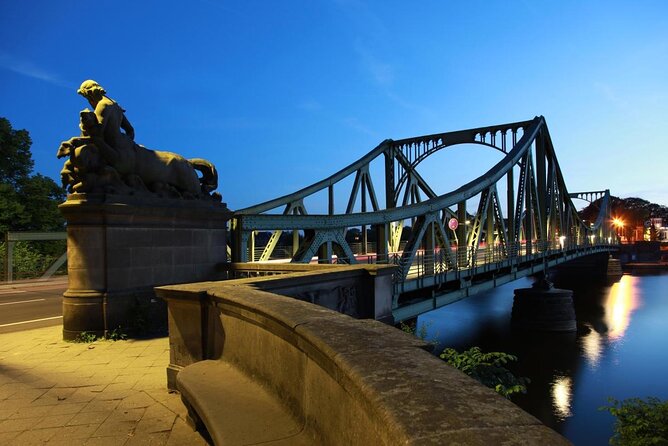
Glienicke Bridge is more than a pretty crossing over the Havel. It once marked the border between East Germany and the American sector of West Berlin, and Cold War intelligence services used it to exchange captured agents. This small-group Potsdam walk follows that tense history through places that still carry its traces.
I like two things in particular: the route joins headline sites such as Cecilienhof with quieter residential streets, and the guide has time to explain how Potsdam’s grand parks became part of a guarded frontier. The trade-off is that you see Cecilienhof from outside, and the tour’s 2.5 hours are spent walking rather than exploring palace interiors.
At a glance
- Cross the Bridge of Spies: Begin at Glienicke Bridge, once a heavily secured border crossing and the setting for agent exchanges.
- See Cecilienhof from the grounds: The palace hosted the 1945 Potsdam Conference, but this tour does not go inside.
- Walk through a former restricted zone: The New Garden and nearby Soviet military district reveal how Cold War borders cut through everyday Potsdam.
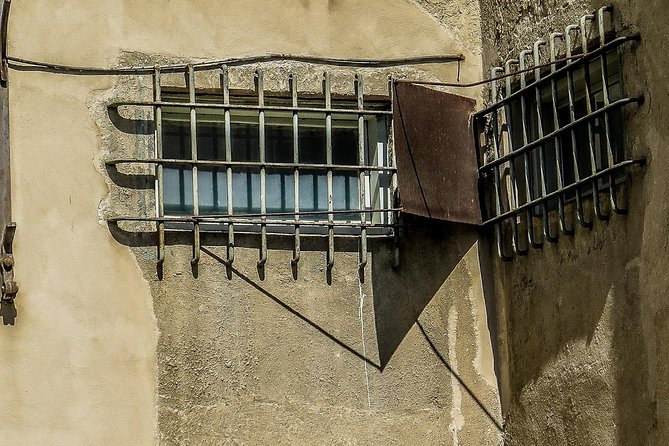
- Finish near the former KGB prison: The tour explores the Leistikowstraße area, once part of a major Soviet intelligence site.
- Expect a small group and a steady walk: The maximum group size is 15, and a moderate level of fitness is advised.
Potsdam’s Cold War story, on foot
Potsdam is famous for palaces and gardens, but this tour looks at what happened when those elegant surroundings became part of a strategic border. You move from the bridge between East and West to the site of a postwar summit, then into a neighborhood that spent decades behind Soviet restrictions.
That change of setting is the point. The route makes it easier to see how political history shaped ordinary streets, riverside homes and public parks, not just conference rooms and monuments. You are not simply being handed dates; you are tracing a former frontier across the city.
The experience lasts about two hours and 30 minutes, with five stops and a maximum of 15 people. That size should make it easier to hear the guide and ask questions than on a large coach tour, while still keeping the walk moving. A local professional guide leads the group, and the subject is specific enough that a guide’s explanations are central to the experience.
The tour starts at 1:15 p.m. at Glienicke Bridge and ends at the Memorial and Meeting Place on Leistikowstraße. The bridge’s listed address is Königstraße, 14467 Berlin, a reminder that the meeting point sits on the boundary between Potsdam and Berlin. Check your route to the bridge carefully rather than assuming the meeting place is in central Potsdam.
More walking tours in Potsdam:
- Potsdam Half-Day Walking Tour from Berlin
★ 4.5 · 398 reviews - Potsdam, City of Emperors Walking Tour
★ 4.5 · 169 reviews - Potsdam: Guided Walking Tour of UNESCO Site and Architecture
★ 4.7 · 49 reviews
Glienicke Bridge: a border you can cross today
The first stop is Glienicke Bridge, better known as the Bridge of Spies. During the Cold War, it was used by the CIA and KGB to exchange agents. It also marked the boundary between the German Democratic Republic and the American sector of West Berlin, and was heavily guarded until the Berlin Wall fell.
You get about 15 minutes here. That is enough for the guide to set the scene and point out why this bridge mattered, but not a long visit for lingering. The crossing is striking because its role was so tightly controlled: an ordinary-looking bridge became a rare, carefully managed passage between rival powers.
The location also has a film connection. The Hollywood movie Bridge of Spies was shot here, which may make the place familiar even if you have not studied Cold War history. The tour’s value is in separating the real history from the screen version and explaining the bridge’s place in the actual border system.
The bridge is an open-air stop, not a museum visit. If you want a close look at the setting where the exchanges took place, this is a strong start. If you expect a detailed indoor exhibit or a long lecture at each point, this brisk 15-minute stop is not designed for that.
Schwanenallee: homes beside a sealed riverbank
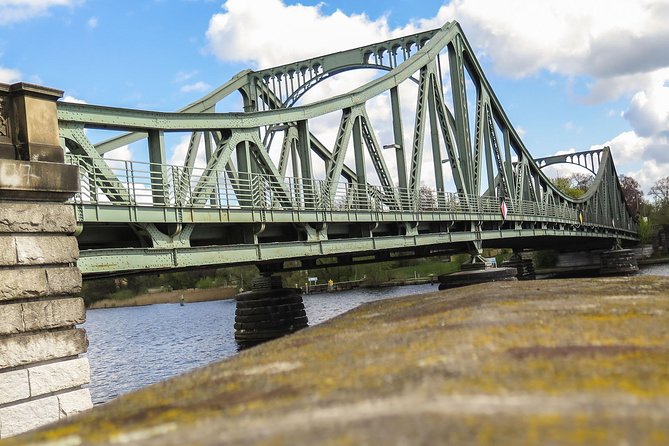
From the bridge, the route continues to Schwanenallee, a stretch of villas once positioned beside the Berlin Wall. The wall shielded the houses from the riverbank, turning what is now a prime waterside location into a place shaped by barriers and restricted access.
This stop lasts about 15 minutes. Its appeal is less about a single monument and more about the contrast between the neighborhood’s present-day setting and its former role beside a closed border. The villas help bring the Cold War story down to street level: the division was not an abstract line on a map, but something that altered what residents could see and reach.
I like that this part of the walk broadens the story beyond leaders and intelligence officers. It asks you to notice how a border changed the use of a river, the feel of a residential area and the relationship between people and their surroundings. You will not get a full account of each house, but the location gives the guide a useful way to explain how the frontier worked in daily life.
Cecilienhof Palace: the summit that ended one war and opened another
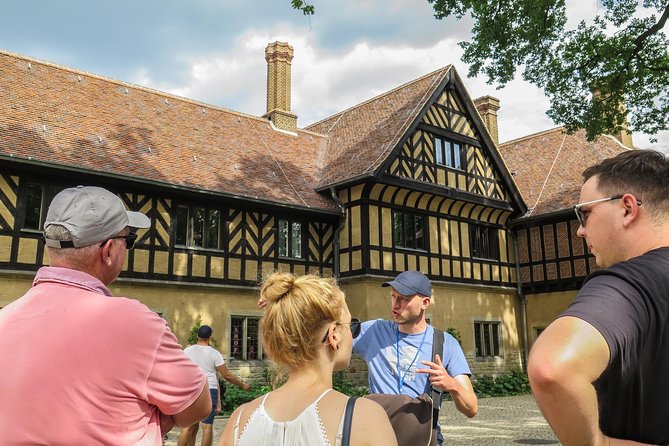
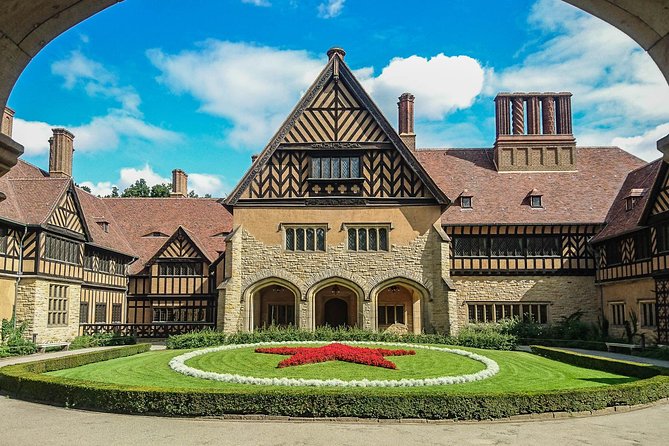
Cecilienhof Palace is the route’s major World War II landmark. In the summer of 1945, US President Harry S. Truman, British Prime Minister Winston Churchill and Soviet leader Joseph Stalin met here at the Potsdam Conference. The summit marked the end of World War II in Europe’s immediate aftermath and helped set the terms of the uneasy period that followed.
You spend about 30 minutes at the palace, but the visit is from outside only. That distinction matters if you are hoping to tour the rooms where the conference took place. This walk is about the historical setting and the palace as a landmark, not an interior visit or a separate admission experience.
The site makes a useful bridge between the tour’s two main themes. The conference brought the Allied leaders together after the war, yet their competing interests also foreshadowed the Cold War. Seeing Cecilienhof in context helps explain why Potsdam’s story cannot be neatly divided into a wartime chapter and a separate Cold War chapter.
The palace sits within the New Garden, so this stop also introduces the park setting that later became part of a restricted zone. The broader surroundings add scale to the history, though you should not expect a leisurely garden visit. The guide is following a route with several stops and a set end point.
More Potsdam trips in Potsdam:
- Potsdam: City and Castles Tour
★ 4.7 · 3,721 reviews - Potsdam: Palace Tour by Boat
★ 4.5 · 2,369 reviews - Potsdam: Sanssouci Palace and Prussian Palaces Entry Ticket
★ 4.5 · 2,101 reviews - Berlin: World Heritage Cruise to Potsdam
★ 4.5 · 1,435 reviews
The New Garden: parkland turned into a border zone
The New Garden is a UNESCO World Heritage Site, known for its historic palaces and parkland. For much of the Cold War, however, it was also a restricted area. Border fortifications linked to the Berlin Wall ran through the park, changing how people could move through a place built for recreation and royal life.
The tour gives this stop about 30 minutes. That is a good amount of time to take in the contrast between the garden’s formal setting and its role in a security system. It also helps connect the conference at Cecilienhof to the later divisions that cut through the same grounds.
This is one of the route’s most revealing shifts. The New Garden may look like a peaceful historic park now, but the walk asks you to picture barriers and controls in a place that visitors today can explore freely. That history gives the setting a second layer without requiring you to be an expert on Potsdam’s Cold War boundaries.
Keep in mind that this is a guided history walk, not a full garden tour. The focus is on the park’s restricted status and the border’s passage through it. If you want time to explore every path or palace in the New Garden, plan a separate visit.
Leistikowstraße: inside the former Soviet restricted district
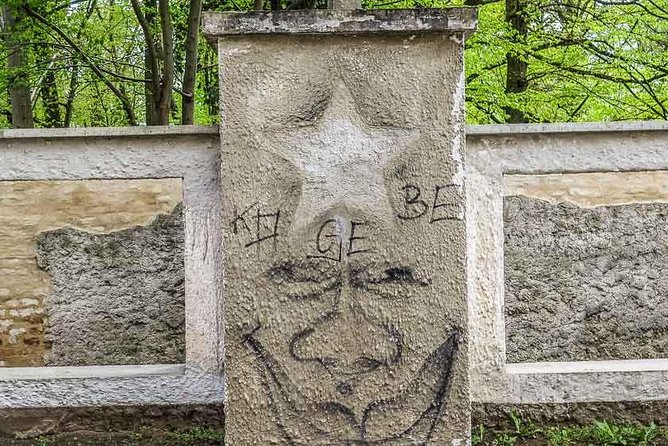
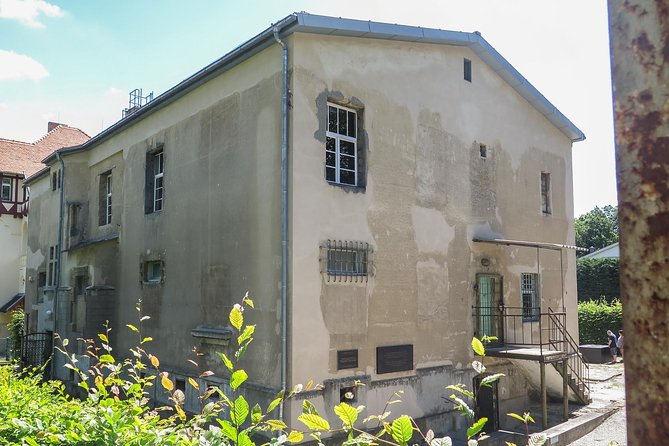
The final and longest stop is the former Soviet military town known as No. 7, beside the New Garden. For almost 50 years, this neighborhood was a Soviet restricted area and one of the Soviet Union’s important intelligence sites. The former KGB prison is located here, and the tour explores the district and its past.
You spend about 45 minutes in the area, giving the guide more time to explain the work and life of this so-called forbidden city. The length makes sense: this is not just a single landmark, but a neighborhood whose boundaries, uses and residents were shaped by Soviet control. It is also where the tour’s earlier stops come together, from the bridge’s intelligence exchanges to the broader Cold War border.
Be clear about what is promised. The walk takes you through the area and introduces the former prison and intelligence history, but the details provided do not promise entry into the prison building. Treat this as a guided look at the district, not a guaranteed interior tour.
The final stop is at the Memorial and Meeting Place on Leistikowstraße. From there, bus 603 stops nearby at Langhansstraße/ Große Weinmeisterstraße and can take you back toward Potsdam city center. Transport to and from the attractions is not included, so plan the journey to the bridge and the ride back from the end point yourself.
What the price covers, and what it does not
At $23.72 per person, the tour is a modestly priced way to connect several sites that tell a coherent story. You are paying for a local professional guide and about two and a half hours of context at the bridge, palace grounds, park and former Soviet district. The stops are listed without admission charges, but the tour does not include transportation.
The strongest value is the route’s focus. You could visit the bridge or Cecilienhof on your own, but understanding the border’s movement through the New Garden and into the Soviet military district takes more work. A guide can connect those places into one account, which is especially useful if this is your first encounter with Potsdam’s twentieth-century history.
The price is less compelling if you are mainly looking for palace access, a long garden ramble or a general overview of Potsdam’s architecture. The palace is seen only from outside, and the walk concentrates on Soviet and Cold War history rather than the city’s full range of sights. For that narrower interest, the route offers a lot of useful ground for the cost.
The tour is often booked well ahead, on average about 121 days in advance. That is a planning detail worth noting if your dates are fixed, though it does not mean you need to book that early in every case. The group limit of 15 is another practical plus: small enough for a more direct guide-led experience, but not a private tour.
Who should take this walk
I would choose this tour if you are staying in Berlin or Potsdam and want to understand the Cold War beyond the Berlin Wall’s best-known landmarks. It suits history-minded visitors who enjoy walking through real places and hearing how political events affected the streets around them. It is also a good fit if you have already seen Potsdam’s palace highlights and want a different angle on the city.
The walk asks for a moderate level of physical fitness and runs in all weather. Dress for the conditions, since the experience is outdoors and the route depends on walking between sites. The tour’s duration is manageable for many people, but anyone who finds extended walking difficult should take the fitness guidance seriously.
This is not the best choice if you want a vehicle between locations, indoor exhibits at every stop, or time to roam the palace and gardens at your own pace. It is also not a substitute for visiting Cecilienhof’s interior. The experience works best when you want a clear, guided account of the Cold War’s physical footprint and are happy to keep moving.
Should you book the Potsdam Forbidden City walk?
Book it if the Bridge of Spies, the 1945 Potsdam Conference and the former Soviet intelligence district interest you more than a conventional palace tour. The route’s particular strength is its range: in one walk, you see a border crossing, a conference site, a UNESCO-listed park and a neighborhood that remained closed for decades.
Skip it if your priority is going inside Cecilienhof or exploring Potsdam’s gardens at leisure. For everyone else, the small group, focused subject and reasonable price make this a practical way to see a side of Potsdam that is easy to miss when you stick to the grand façades.
FAQ
How long is the tour?
It lasts approximately two hours and 30 minutes.
What time does the tour start?
The start time is 1:15 p.m.
Where does the tour begin?
It begins at Glienicke Bridge, at Königstraße, 14467 Berlin, Germany.
Where does the tour end?
It ends at the Memorial and Meeting Place on Leistikowstraße 1, 14469 Potsdam.
Does the tour go inside Cecilienhof Palace?
No. Cecilienhof is viewed from outside, and the palace is not entered.
Is transportation included?
No. Transportation to and from the attractions is not included.
How large is the group?
The maximum group size is 15 people.
Can I cancel for a refund?
You can cancel for a full refund up to 24 hours before the experience starts. Cancellations made less than 24 hours before the start time are not refunded.
Newest tours in Potsdam
- Potsdam Highlights – Private sightseeing tour by minibus★ 5.0 · 3 reviews
- Private Potsdam City Tour in an authentic vintage van★ 5.0 · 14 reviews
- Private Walking Tour of Potsdam and Sanssouci★ 5.0 · 24 reviews
- City Sightseeing Potsdam Hop-On Hop-Off Bus Tour★ 3.5 · 80 reviews
- Tours & Sightseeing in English of Berlin, Potsdam and Sachsenhausen★ 5.0 · 56 reviews
- Private taxi tour to Potsdam and Sanssouci 6-8h★ 5.0 · 30 reviews
- City Explorer: Potsdam Private Day Trip★ 4.5 · 10 reviews
- Private Day Tour to Potsdam from Berlin by Minivan★ 4.5 · 20 reviews
Potsdam Tours, compared.
Potsdam: Sanssouci Palace and Prussian Palaces Entry Ticket
Read our review →
Sachsenhausen Concentration Camp and Potsdam Tour
Read our review →
Potsdam: City Sightseeing Hop-On Hop-Off Bus Tour
Read our review →Browse the lists this tour appears in