
Reviewed · BERLIN KREUZBERG TOURS
Small-Group 3-Hour Berlin Walking Tour of Kreuzberg ‘s Wild Side
Kreuzberg’s appeal is its mix of past and present, often on the same block. This three-hour walk starts at Kottbusser Tor and traces the district’s shift from one of Berlin’s poorest quarters to a sought-after center for art, music, food and nightlife. Along the way, you’ll encounter former squatted houses, a historic hospital and a treehouse built beside the Berlin Wall.
I like that the route connects street-level places with the story behind them, rather than treating Kreuzberg as a checklist of photo stops. I also like the group limit of 12 and the planned break at Market Hall Nine, which gives you a chance to pause in the middle of a long walk.
The main consideration is that this is a walking tour, not a food tour or a visit to the inside of every named building. One account describes an interesting, information-rich walk but also a 25-minute wait for the guide; a separate outing was cancelled amid a transit strike and a dispute over whether notice was given. Allow a little patience, and check your meeting details before setting off.
At a glance: Kreuzberg in three hours
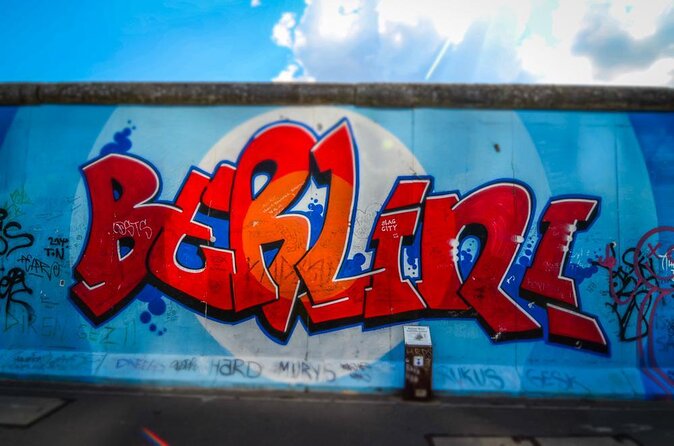
- Start at Kottbusser Tor: Meet at Skalitzer Strasse 137, in a central part of Kreuzberg known for its mix of cafés, bars, clubs and restaurants.
- Follow the SO36 story: Visit the area around Club SO36 and Oranienstrasse, central to Kreuzberg’s SO36 district.
- See the district’s contrasts: The route takes in courtyards, former squatted house projects, St. Thomas Protestant Church and the former Berlin Wall area.
- Pause at Market Hall Nine: A break is included, but food and drinks are at your own expense.
- Walk with a small group: The maximum is 12 people, which can make it easier to hear the guide and ask questions.
- Finish at Oberbaumbrücke: The tour ends at the bridge, rather than returning to the starting point.
Starting at Kottbusser Tor
Kottbusser Tor is a fitting place to begin. The tour describes it as one of Kreuzberg’s multicultural hot spots, surrounded by cafés, bars, clubs and restaurants. You’re not starting in a quiet museum quarter. You’re stepping into a working city district where everyday life and nightlife sit side by side.
The guide sets the scene by looking back to the 19th century and following Kreuzberg’s development to the present. That span matters: the walk is not only about Berlin’s recent alternative culture. It also gives you a way to understand how the area changed from a poor quarter into one of the city’s most popular districts.
You’ll want comfortable shoes and an interest in seeing the neighborhood at street level. Three hours gives the guide time to add context as you walk, but it also means you should expect a steady outing rather than a short orientation stop. The route covers several places, and the experience is built around moving between them.
The meeting point is Skalitzer Strasse 137. Hotel pickup and drop-off are not included, so plan your own way to the start and from the end point. The tour is listed as being near public transportation, though the supplied details do not specify a particular station or travel route.
More walking tours in Berlin:
- Discover Berlin Half-Day Walking Tour
★ 5.0 · 9,624 reviews - Berlin: Third Reich and Cold War 2 Hour Walking Tour
★ 4.9 · 6,830 reviews - Berlin: Discover Berlin Walking Tour
★ 4.9 · 5,998 reviews
SO36 and Oranienstrasse: the district’s public face
One of the named stops is Club SO36, with about 10 minutes allotted there. The club’s name also points to SO36, the district at the heart of the walk. Rather than spending a long time at one venue, you’ll use this stop to place the neighborhood’s music and cultural story in context.
Oranienstrasse is another key part of the route. It is described as the heart of SO36, and the walk considers how fashion, art and music took root in the district. That perspective can make the street more legible than a quick solo stroll: a café or bar may look like just another local business until you know how it fits into the area’s wider changes.
The tour is not advertised as a club visit, and the stop at SO36 is short. Think of it as a chance to hear about the place and its role in Kreuzberg, not a night out or an inside look at the venue. If you want to return later for food or nightlife, the route may help you choose where to explore, but the tour itself focuses on history and culture.
Courtyards, squatted houses and Mariannenplatz
Kreuzberg’s courtyards offer a useful counterpoint to the busy streets. The guide points out typical Berlin courtyards and explains their history and development. These spaces make the walk feel less like a parade of famous addresses and more like a look at how the district is arranged and used.
The route also passes former squatted house projects on the way to Mariannenplatz and Arthouse Bethanien. The tour places these sites within Kreuzberg’s story of change, including the area’s alternative culture and its role in fashion, art and music. You’ll hear about how a district once associated with poverty became popular, while seeing buildings and public spaces linked to that history.
Bethanien is a historic hospital building beside the former Berlin Wall. That pairing gives the walk a particularly clear sense of how different chapters of Berlin’s past overlap. The building’s former use and its location near the wall help anchor the broader discussion in actual places, rather than leaving the story at the level of dates and generalities.
Rio-Reiser-Platz and the nearby Heinrichplatz and Frauenzentrum Schokoladenfabrik area are also named stops. The planned time at this stop is about 10 minutes. The supplied information does not specify which interior spaces are entered, so expect to see and discuss the area from the street rather than assume access to buildings.
The Wall, St. Thomas Church and a treehouse
The walk includes St. Thomas Protestant Church and a treehouse built next to the Berlin Wall. These are the kinds of details that make the route more than a broad lesson in district history: they give you specific landmarks to look for and remember.
The former wall is an important part of the setting around Bethanien and Mariannenplatz. The tour brings together the physical traces and nearby sites, helping you see how Berlin’s division shaped the district. The description does not promise a visit to a museum or a dedicated wall exhibit, so the value here is the guide’s explanation of the area as you encounter it on foot.
The treehouse adds an unusual visual note to that history. It was built beside the wall, and its presence makes the relationship between the city’s past and its present tangible. You should not expect a long stop at each landmark, but the walk gives the guide room to explain why these places matter in the context of Kreuzberg.
More Kreuzberg tours in Berlin:
- Kreuzberg: Culinary Food Tour
★ 4.5 · 770 reviews - Berlin: Kreuzberg Guided Walking Evening Tour
★ 4.7 · 555 reviews - Berlin: Alternative Bike Tour of Kreuzberg & Friedrichshain
★ 4.7 · 548 reviews - Berlin: 2.5-Hour Walking Tour through Kreuzberg 61
★ 4.9 · 525 reviews
Görlitzer Park and the walk toward the bridge
Görlitzer Park is the longest timed stop listed, at about 15 minutes. It offers a change of pace from the streets and courtyards, and it gives the guide a chance to connect the area’s public spaces with the rest of Kreuzberg’s development. The tour also includes Wiener Strasse, though no separate stop length or specific activity is given there.
The route ends at Oberbaumbrücke, a well-known crossing between neighborhoods. It’s practical to remember that the finish is not at Kottbusser Tor. You’ll need to decide what you want to do afterward and make your own arrangements from the bridge area.
The order and pace of walking can vary, and the stated stop times are short. This is a guided overview, not a deep visit to every site. If a particular place catches your attention, you may want to return on your own after the tour, especially if you want more time at the park, a market or a café.
Market Hall Nine: a useful pause, not a meal included
A break at Market Hall Nine is included, which is a welcome practical feature on a three-hour walk. It gives you time to rest and take in a food-market setting before continuing. The tour does not include food or drinks, so bring money if you want to buy something.
This pause also helps balance the tour’s pace. Kreuzberg’s history can be a lot to absorb while walking, and a break gives you a moment to sit with what you’ve seen. The exact length of the stop is not specified, so don’t count on enough time for a full meal or a long browse.
Market Hall Nine is named as the farmer’s market on the route. The value is partly logistical: you get a planned rest rather than needing to leave the group to find a place on your own. It is not presented as a tasting tour, and there is no included food, so set your expectations accordingly.
What the group size and price mean
At $22.45 per person, the tour is an affordable way to get a guided introduction to a district with many layers. You’re paying for a local guide and a three-hour walking route, not transport, meals or attraction admission. The named stops are public places, and the two timed stops at SO36 and Rio-Reiser-Platz list free admission.
The maximum group size is 12. That is small enough to make questions and conversation more practical than they would be in a large coach group, though it does not guarantee a private or one-on-one experience. The tour also includes a driver/guide and a local guide in its inclusions, but the supplied description does not explain how those roles are divided during a walking tour.
The tour is booked, on average, about 12 days ahead. That gives you a rough planning guide, not a rule that you must book that early. The provider is Berlin Bike Tour, though this experience itself is on foot.
The rating shown for the experience is 4.2 from 11 reviews, a small sample. One three-star account describes the walk as interesting and full of background information, while also reporting a wait of about 25 minutes. Another account describes a cancellation during a BVG transit strike and says the customer was not notified; the provider’s response says the guide was present and the tour was cancelled after other participants did not arrive. The differing accounts are worth keeping in mind. They point to a possible coordination issue, not a reason to assume every departure will be affected.
Who should book this Kreuzberg walk?
I’d consider this tour if you want more than a quick look at Kreuzberg’s bars and restaurants. The combination of the 19th-century story, the district’s shift from poor quarter to popular neighborhood, the former squatted houses and the Berlin Wall setting gives you a useful framework for exploring afterward.
It is a good fit for first-time visitors who want local context, and for repeat visitors who have seen central Berlin but have not spent much time in Kreuzberg. The small group and modest price are also appealing if you prefer a guide-led walk without committing to a full-day excursion.
It may be less suitable if you want a food-focused outing, long visits inside buildings or a very relaxed pace with plenty of time at each location. You’ll be walking for about three hours, and food, drinks and hotel transport are not included. If you have a fixed schedule, leave some margin around the start time, given the reported delay and the possibility of a minimum-group cancellation.
Free cancellation is available up to 24 hours before the start time. If the minimum number of participants is not met, the tour may be cancelled, with a different date or experience, or a full refund, offered. For the price, the best reason to book is the guide’s neighborhood context: Kreuzberg becomes easier to understand when its courtyards, cultural sites and Wall-era landmarks are connected in one walk.
FAQ
How long is the Kreuzberg walking tour?
The tour lasts about three hours. It is a walking experience that begins at Kottbusser Tor and ends at Oberbaumbrücke.
Where does the tour start?
The meeting point is Skalitzer Strasse 137, 10999 Berlin, Germany.
Where does the tour end?
It ends at Oberbaumbrücke, 10243 Berlin, Germany. You will need to make your own arrangements from there.
How large is the group?
The tour has a maximum of 12 participants.
Is food included?
No. A break at Market Hall Nine is included, but food and drinks are not.
Can I cancel for a refund?
You can cancel up to 24 hours before the experience’s start time for a full refund. Changes made less than 24 hours before the start are not accepted, and cancellations made within that period are not refunded.
More three-hour outings in Berlin
- Berlin Highlights 3-Hour Bike Tour
★ 5.0 · 948 reviews - Berlin Highlights: 3-Hour Bike Tour
★ 4.9 · 809 reviews - Berlin: 3-Hour Street Art Tour
★ 4.7 · 778 reviews - Berlin: 3-Hour Secret Food Tour
★ 4.8 · 269 reviews
Newest tours in Berlin
- Berlin: guided canoe | kayaktour★ 4.1 · 7 reviews
- Understanding Kreuzberg: The roots of local (sub)culture★ 4.9 · 11 reviews
- Where It All Began: Berlin’s Queer & Trans History Tour★ 4.9 · 6 reviews
- Warnemünde Shore Excursion: Private Sachsenhausen and Berlin Tour★ 5.0 · 12 reviews
- Ultimate E-Bike Tour of Berlin with Beer Garden Stop★ 5.0 · 4 reviews
- Potsdam Highlights – Private sightseeing tour by minibus★ 5.0 · 3 reviews
- Private Potsdam City Tour in an authentic vintage van★ 5.0 · 14 reviews
- Transfer from Berlin Schönefeld Airport (SXF) to Berlin city Hotels – ROUND TRIP★ 4.0 · 3 reviews
Berlin Kreuzberg Tours, compared.
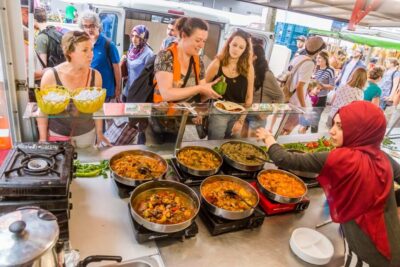
Alternative Bike Tour of Kreuzberg & Friedrichshain
Read our review →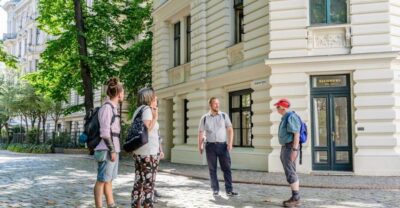

Berlin Off-the-Beaten-Path Walking Tour: Kreuzberg, Mitte and Friedrichshain
Read our review →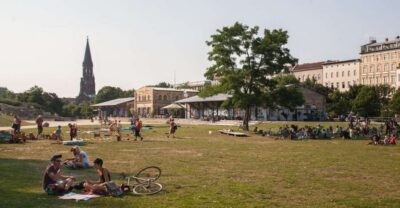
Kreuzberg Berlin: Off the Beaten Track PRIVATE Walking Tour
Read our review →
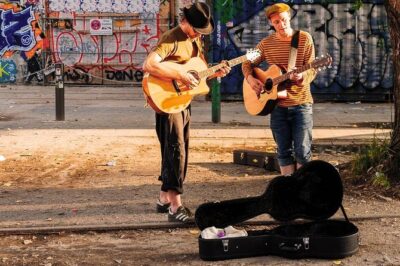
Experience the Alternative Kreuzberg on a Bike Tour
Read our review →Browse the lists this tour appears in